
When is the best time to visit Istanbul?
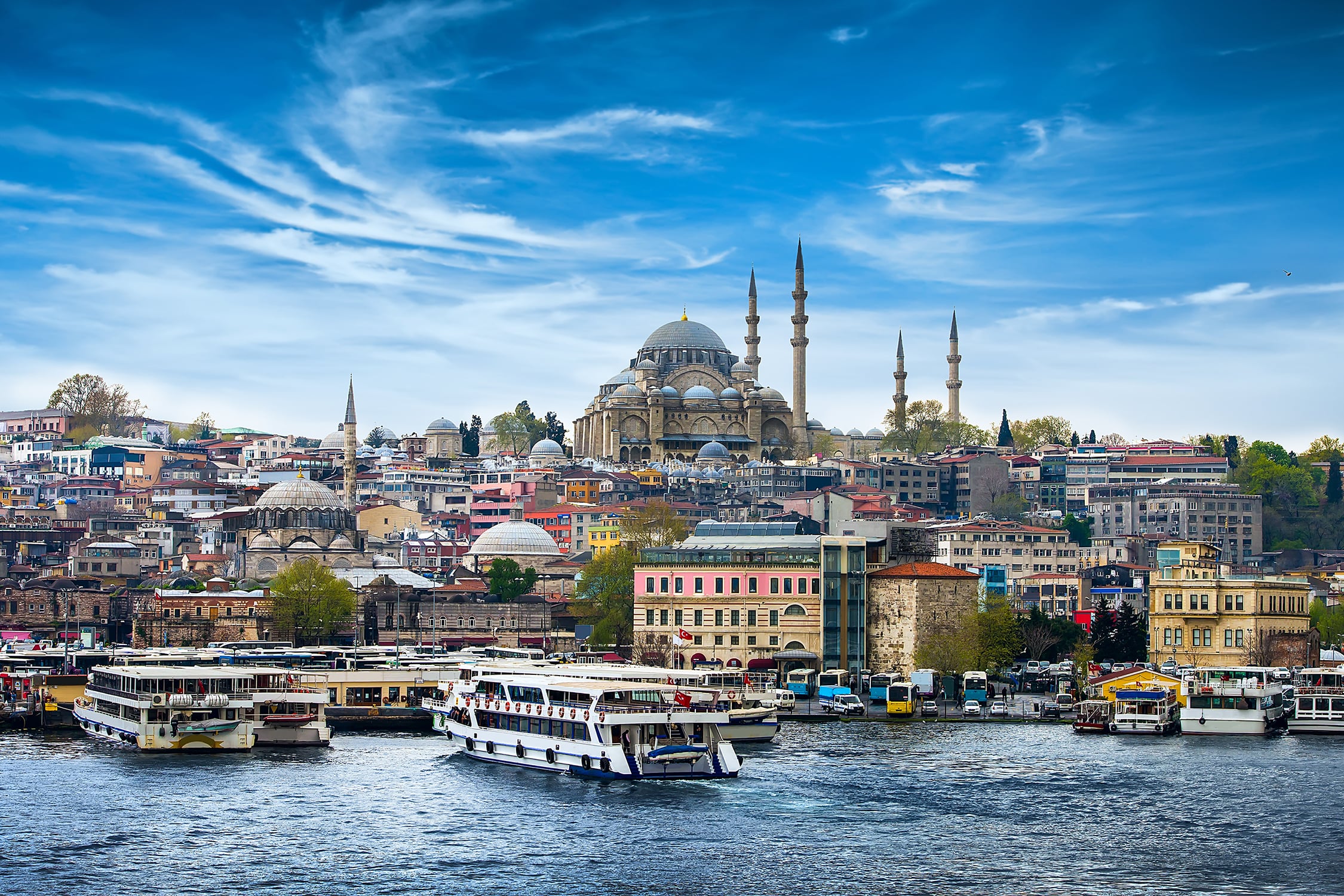
When is the best time to visit Istanbul?
May and late September are the best times to visit Istanbul. Both shoulder-season windows deliver roughly 20°C (68°F), low humidity, manageable crowds, and long daylight for walking the Bosphorus. May catches the tail end of the tulip season; late September brings golden-hour light that makes every mosque and minaret glow.
Every other season has a real case too — from high season summer energy to low season winter charm. Read on for the full breakdown.
What are the average temperatures in Istanbul by month?
Istanbul's monthly averages swing from a cold 3–8°C (37–46°F) in January to a hot 22–30°C (72–86°F) in July and August. Spring and autumn sit comfortably between 10–22°C (50–72°F), with the most stable weather in May and late September.
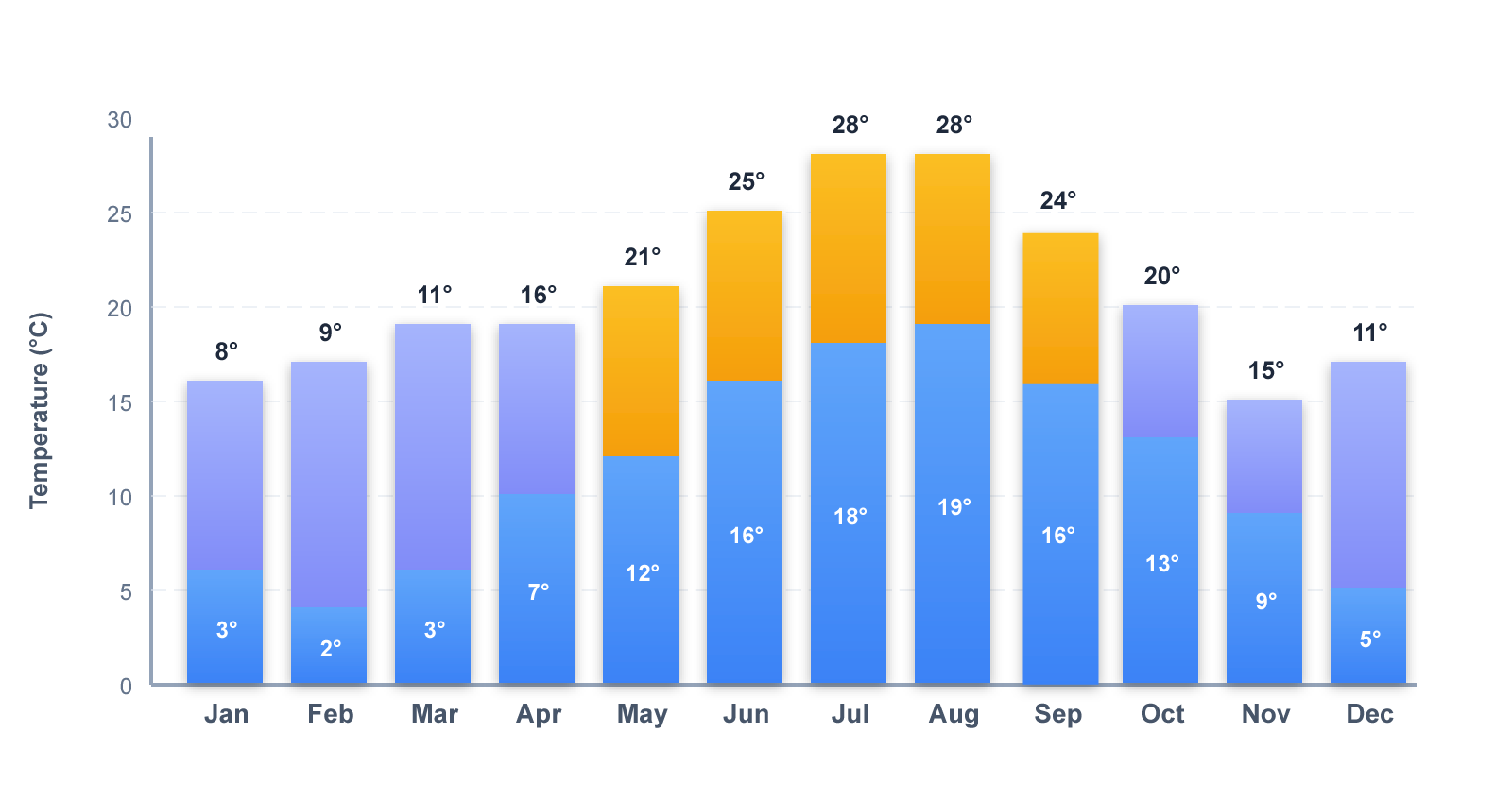
Month-by-month quick guide
The table below pairs each month with average temperature, season type, typical mid-range hotel price, and the main travel highlight. Starred rows (May, September) mark the two best overall months.
| Month | Avg Temp | Season Type | Hotel Prices | Highlights |
| January | 3–8°C | Low season | Lowest (~₺1,345–₺2,242) | Snow photo ops, hammam season, no queues |
| February | 3–9°C | Low season | Lowest (~₺1,345–₺2,242) | Ramadan begins (Feb 16, 2026), quiet mosques |
| March | 6–12°C | Low → Shoulder | Low (~₺1,794–₺2,690) | Ramadan ends March 17; Eid celebrations March 18–20 |
| April | 10–17°C | Shoulder season | Medium (~₺2,242–₺3,587) | Tulip Festival all month, peak bloom April 10–20 |
| May | 14–22°C | Shoulder season ★ | Medium (~₺2,690–₺4,036) | Best weather, Kurban Bayramı May 27–30 |
| June | 19–27°C | High season | High (~₺3,587–₺5,381) | Beach season starts, Jazz Festival begins June 30 |
| July | 22–30°C | Peak high season | Highest (~₺4,036–₺6,726) | Jazz Festival (until July 13), peak nightlife |
| August | 22–30°C | Peak high season | Highest (~₺4,036–₺6,726) | Beach season peak, 30–60 min queues at attractions |
| September | 18–26°C | High → Shoulder ★ | Medium-high (~₺3,139–₺4,932) | Golden light, crowds thin out late month |
| October | 13–20°C | Shoulder season | Medium (~₺2,690–₺4,036) | Fall colors, cultural season, ideal photography |
| November | 9–15°C | Shoulder → Low | Low-medium (~₺1,794–₺3,139) | Rain increases, Istanbul Biennial (odd years) |
| December | 5–10°C | Low season | Low (~₺1,569–₺2,466) | New Year atmosphere, Christmas markets, cozy tea houses |
Istanbul in spring (March to May)
Spring in Istanbul runs from March through May, with temperatures climbing from 10–15°C (50–59°F) in March to 15–23°C (59–73°F) by late May. Rainfall tapers off, tulips bloom citywide in April, and crowds stay manageable — making spring a shoulder-season sweet spot.
Spring gives you Istanbul's true colors. The city feels alive but not overwhelming. You can actually hear the seagulls and street musicians without the summer crowds.
Weather & Atmosphere
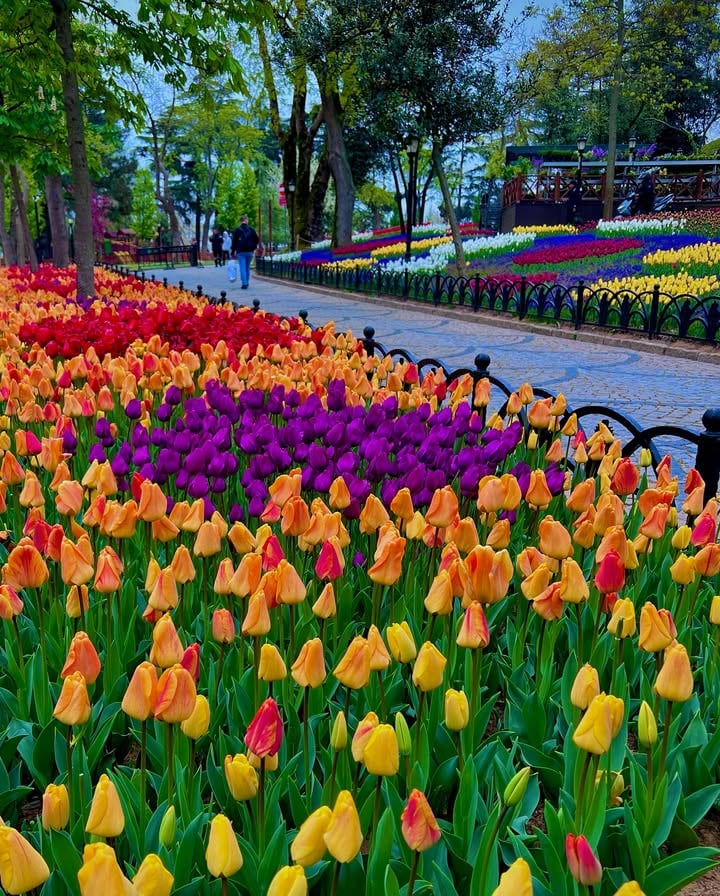
From March to May, temperatures climb from a cool 10–15°C (50–59°F) to a pleasant 15–23°C (59–73°F) by late May. Rainfall tapers off as the weeks go on, and by late spring the weather is close to perfect.
As the city shakes off winter's chill, parks and gardens burst into bloom, most notably with tulips — a flower deeply embedded in Turkish cultural history. The tulip gardens at Emirgan Park and Gülhane Park create picture-perfect settings for memorable photographs.
What to Wear in Spring
- March: Still feels like winter some days. Bring a proper jacket, scarf, and layers you can peel off by noon.
- April: The transition month. A light jacket and comfortable walking shoes are your essentials. Carry a compact umbrella.
- May: Near-perfect. T-shirt weather by day, a light layer for evening Bosphorus cruises — the wind on the water is sharper than you'd expect.
2026 Spring Highlights
| Event | When | What to Know |
| Ramadan ends | March 17 | Sultanahmet transforms into a massive iftar (sunset meal) picnic ground each evening during Ramadan. In tourist hubs like Sultanahmet and Kadıköy, restaurants remain open as usual during the day — though it's respectful to avoid eating or drinking conspicuously on the street in more conservative neighborhoods. |
| Eid al-Fitr (Ramazan Bayramı) | March 18–20 | Major national holiday. The city center fills with locals celebrating. Some smaller shops and museums may close. |
| Istanbul Tulip Festival | All of April | Millions of tulips citywide. Emirgan Park is the star, but Sultanahmet Square has stunning displays too — convenient if you're already visiting the Blue Mosque. Peak bloom: April 10–20. |
| Kurban Bayramı (Eid al-Adha) | May 27–30 | A 4-day national holiday. Public transport is often free but incredibly crowded. Book accommodation early. |
Tip for March 2026 visitors: Ramadan concludes on March 17th. The following three days (March 18–20) are a major celebration — expect Sultanahmet and Taksim to be very busy with locals. It's a wonderful atmosphere, but plan your major attraction visits for earlier in the week.
For Budget Travelers
Visit in early March for the lowest spring prices, but pack layers as temperatures can still be chilly, especially in the evenings.
Istanbul in summer (June to August)
Summer is Istanbul's peak high season, with hot, humid days of 23–28°C (73–82°F) and frequent spikes above 30°C (86°F) in July and August. Expect the highest hotel prices, the longest attraction queues, and the most outdoor life — beaches, Bosphorus cruises, rooftop bars, and the Istanbul Jazz Festival.
In summer, Istanbul lives outdoors. Locals move their lives to the water — whether it's fishing off Galata Bridge, taking evening ferry rides, or swimming off the Princes' Islands.
Weather & Atmosphere
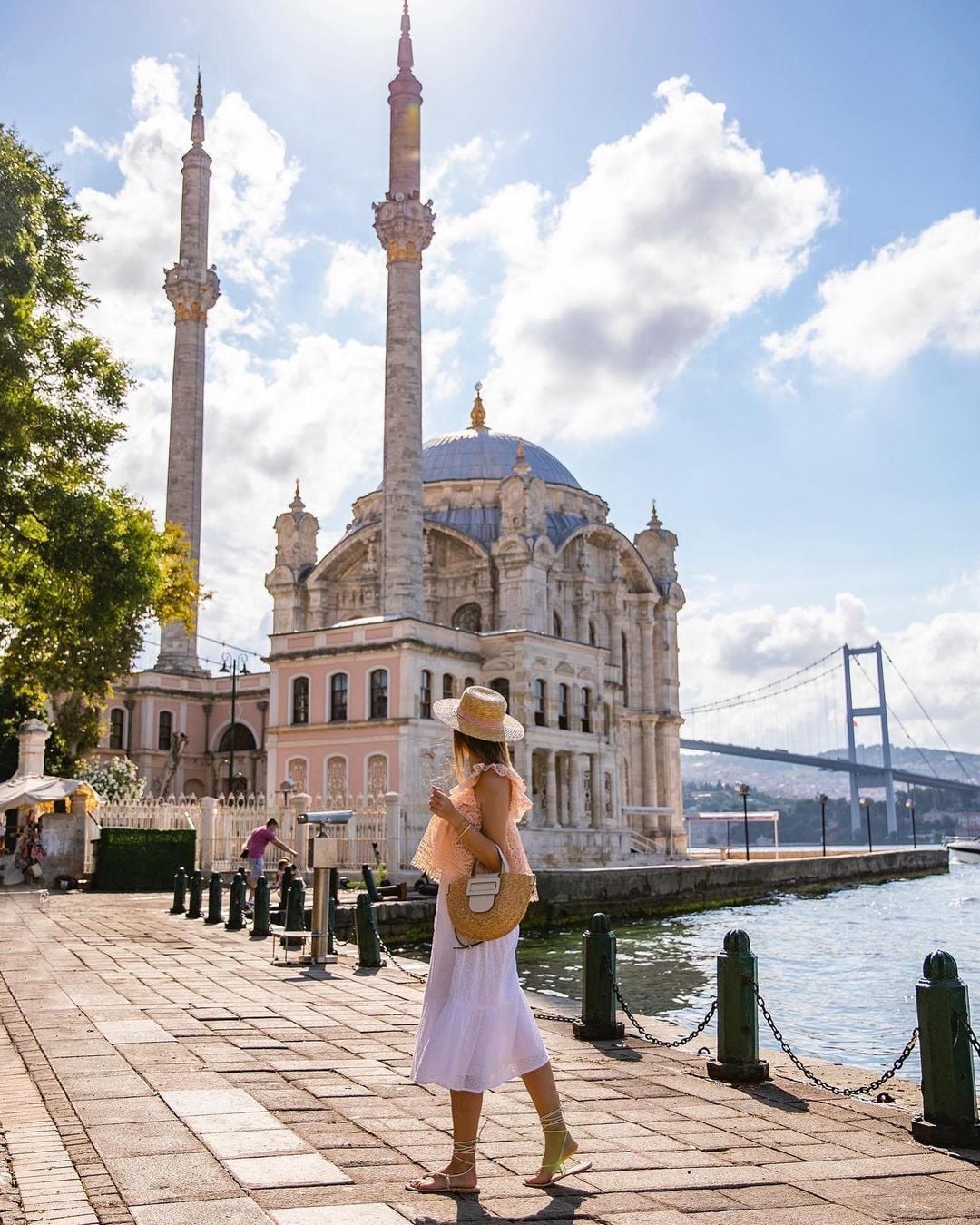
Summer brings hot, humid days to Istanbul, with temperatures typically ranging from 23–28°C (73–82°F), occasionally climbing above 30°C (86°F) during July and August. The city pulses with energy as outdoor cafés, rooftop bars, and Bosphorus-side restaurants fill with locals and tourists alike.
Summer is peak season for a reason — Istanbul's seaside location offers cooling breezes and the opportunity to escape the urban heat with ferry trips to the Princes' Islands or Bosphorus cruises. The long daylight hours allow for extended exploration and evening activities.
What to Wear in Summer
- Light, breathable clothing and sun protection are essentials. Temperatures regularly hit 30°C+ in July and August.
- Mosque visits: Keep a light scarf or shawl handy — shoulders and knees must be covered.
- Bosphorus cruises: Even in July, the sunset cruise at 7:30 PM is breezy. Bring a light layer.
Key Advantages
- Bosphorus Life: Summer is perfect for experiencing Istanbul's maritime culture with boat tours, waterside dining, and beaches. The Short Bosphorus Tour and Long Bosphorus Tour run at their most frequent schedules.
- Nightlife: Rooftop venues, outdoor concerts, and cultural festivals keep the city busy well past midnight.
- 33rd Istanbul Jazz Festival (2026): Running June 30 – July 13 with artists like Robert Plant and Marcus Miller, the festival takes over iconic venues from Harbiye Open Air Theatre to Salon IKSV.
- Princes' Islands Getaways: The Princes' Islands are car-free and perfect for day trips with swimming and cycling. Take the Kabataş-Adalar ferry and rent a bicycle to explore — the old horse-drawn carriages were retired in 2019 and replaced by electric vehicles.
Best Bosphorus Cruise Timing
Don't just take any cruise — timing matters. In summer, the sunset departures (around 7:30 PM) are the sweet spot: the heat has broken, the light turns golden, and you'll catch the city illuminating as you return. The Short Bosphorus Tour (₺260) is the best-value option for a 90-minute ride. In winter, stick to the Şehir Hatları ferries — they have heated indoor cabins and hot Turkish tea.
Swimming Season (June–September)
Istanbul has genuine beaches worth visiting from June through September:
- Kilyos (Black Sea coast) — Long sandy beaches with vibrant beach clubs like Tırmata and Solar Beach. Watch for strong currents and only swim in lifeguard-patrolled areas.
- Princes' Islands — Calm Marmara Sea waters. Büyükada and Heybeliada have small beach clubs.
- Caddebostan (Asian side) — Some of the cleanest city swimming, easy to reach by public transport.
- Şile — A full day trip for wide, uncrowded sandy shores on the Black Sea.
For Families
Summer offers the most child-friendly activities, from beach outings to outdoor performances, though prepare for heat during midday hours and consider scheduling indoor museum visits during the hottest part of the day.
Istanbul in autumn (September to November)
Autumn is many travelers' favorite time to visit Istanbul. September and October deliver 18–25°C (64–77°F) with lower humidity than summer, before November cools to 12–16°C (54–61°F) with more rain. Crowds thin, prices ease, and the light turns golden — ideal for photography and sightseeing.
Autumn gives us Istanbul back. The light changes everything — the way the mosques glow at sunset, how the Bosphorus sparkles in the morning. Plus, you can actually enter Hagia Sophia without a 2-hour wait.
Weather & Atmosphere
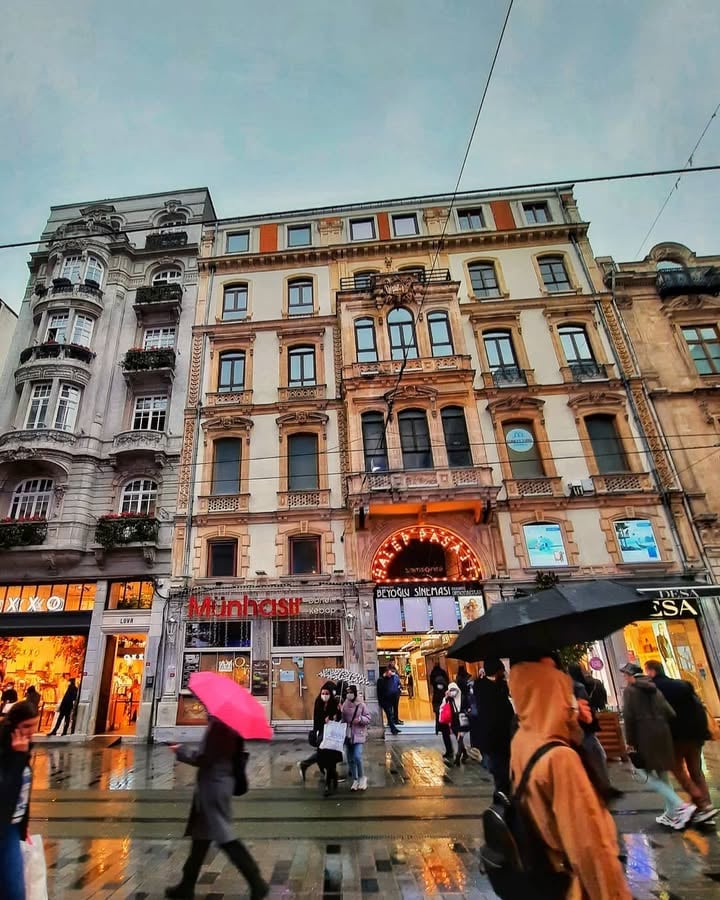
Many seasoned travelers consider autumn the absolute best time to visit Istanbul. September and October offer summer-like warmth (18–25°C/64–77°F) but with significantly reduced humidity. By November, temperatures cool to 12–16°C (54–61°F) with increased chance of rainfall.
The city takes on a golden hue as parks and tree-lined boulevards display fall colors. The post-summer tranquility allows for a more relaxed exploration of major sites without sacrificing comfort or outdoor activities.
What to Wear in Autumn
- September: Still feels like summer. Light clothing with a layer for evenings.
- October: The perfect jacket-weather month. Comfortable walking shoes are a must for the hilly streets.
- November: Waterproof jacket time. Rain becomes more frequent, and temperatures drop noticeably by late month.
Key Advantages
- Cultural Season Begins: Opera, ballet, art exhibitions, and theater seasons kick off in autumn.
- Ideal Photography Conditions: The famous "golden hour" extends longer, and the autumn light creates perfect conditions for photography.
- Gastronomic Delights: Seasonal foods like fresh mussels, roasted chestnuts, and new harvest olives appear in markets and restaurants.
- Istanbul Biennial: In odd-numbered years, this world-class contemporary art event takes over the city (September–November).
For Luxury Travelers
Autumn is ideal for high-end experiences — from yacht cruises on the Bosphorus to exclusive restaurant reservations that would be impossible to secure during summer months.
Istanbul in winter (December to February)
Winter is Istanbul's low season, with temperatures of 5–10°C (41–50°F) and occasional dips below freezing. Snow is possible but rarely lasts long. Hotel rates drop 50–60%, queues disappear at Topkapı Palace and Hagia Sophia, and the city feels most authentically local.
Winter shows you the soul of Istanbul. Winter is when shopkeepers have time for real conversation over tea, when you can hear the call to prayer echo across empty squares, when the hammam becomes a true sanctuary.
Weather & Atmosphere
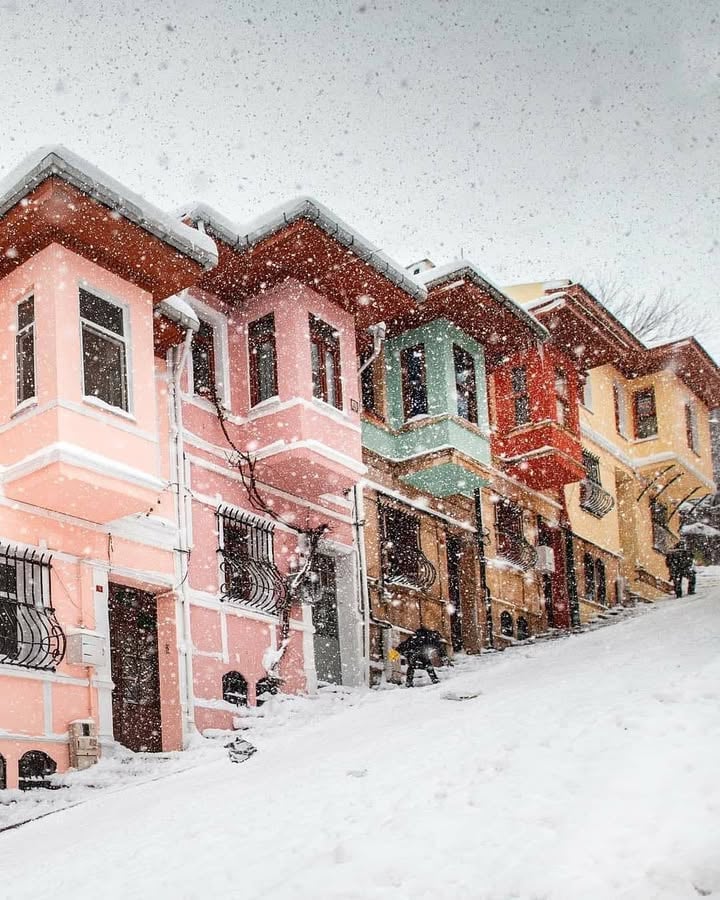
Winter presents Istanbul at its most authentic and least touristic. Temperatures typically range from 5–10°C (41–50°F), with occasional dips below freezing. Snowfall is possible but rarely lasts more than a few days, turning the domes and minarets white for a day or two when it does occur.
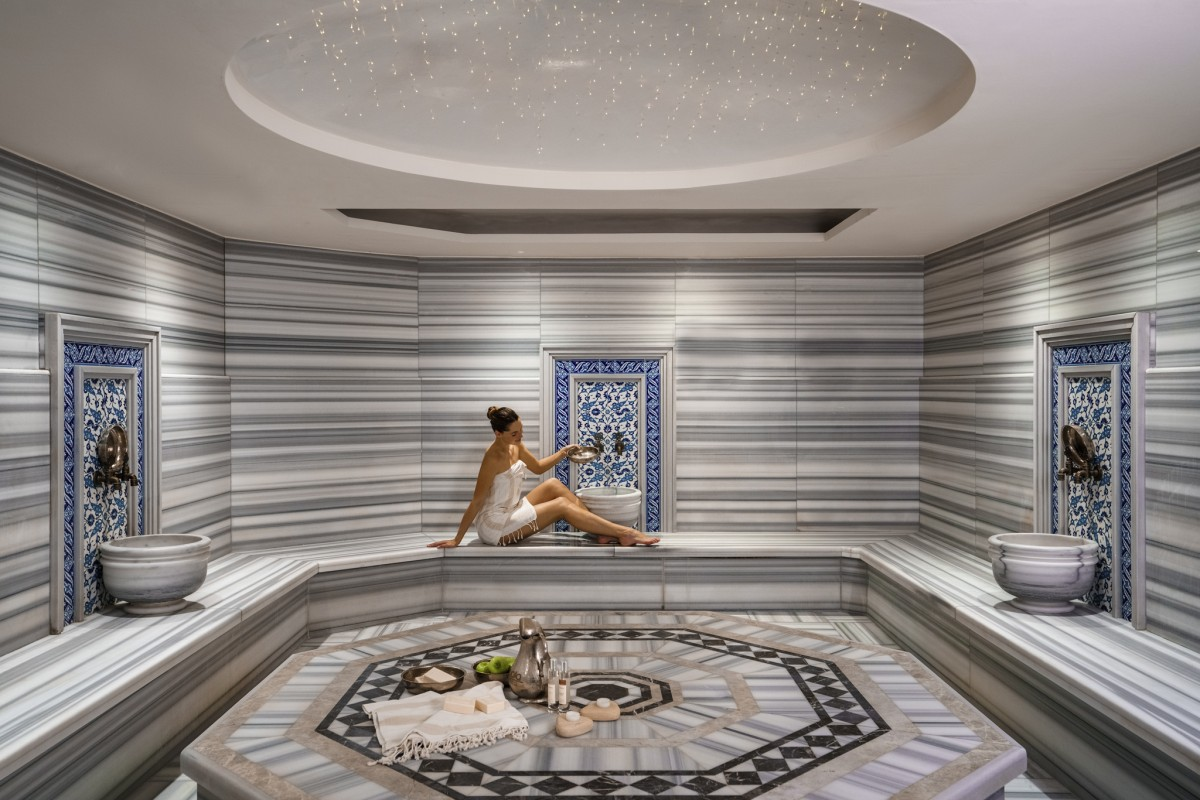
The season brings moody, atmospheric days perfect for exploring Istanbul's rich indoor cultural offerings — from museums and palaces to the steamy warmth of traditional hammams (Turkish baths).
What to Wear in Winter
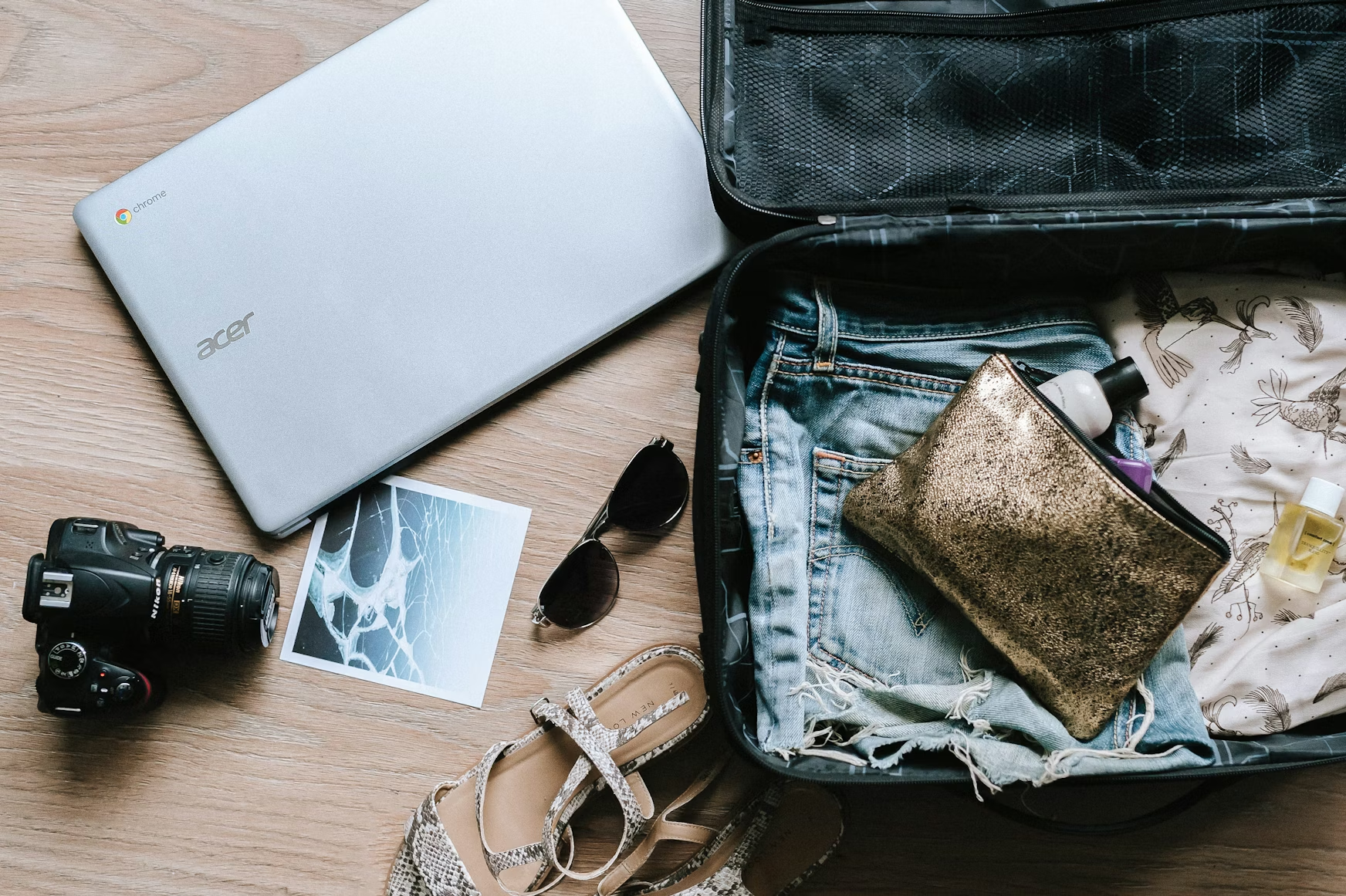
- Warm coat, scarf, gloves, and waterproof boots are non-negotiable. Istanbul's cold is made worse by the Bosphorus wind.
- A compact umbrella for the frequent drizzle. Rain is more common than snow.
- Layers for heated interiors — you'll be peeling off your coat constantly.
Key Advantages
- Dramatic Discounts: Hotel rates can drop by 50–60% compared to summer prices. A mid-range hotel that costs ₺4,036–₺6,726 in July can be ₺1,345–₺2,242 in January.
- No Lines: Major attractions like Topkapı Palace and Hagia Sophia can be enjoyed without the queues.
- Authentic Local Experience: With fewer tourists, interactions with locals become more genuine and unhurried.
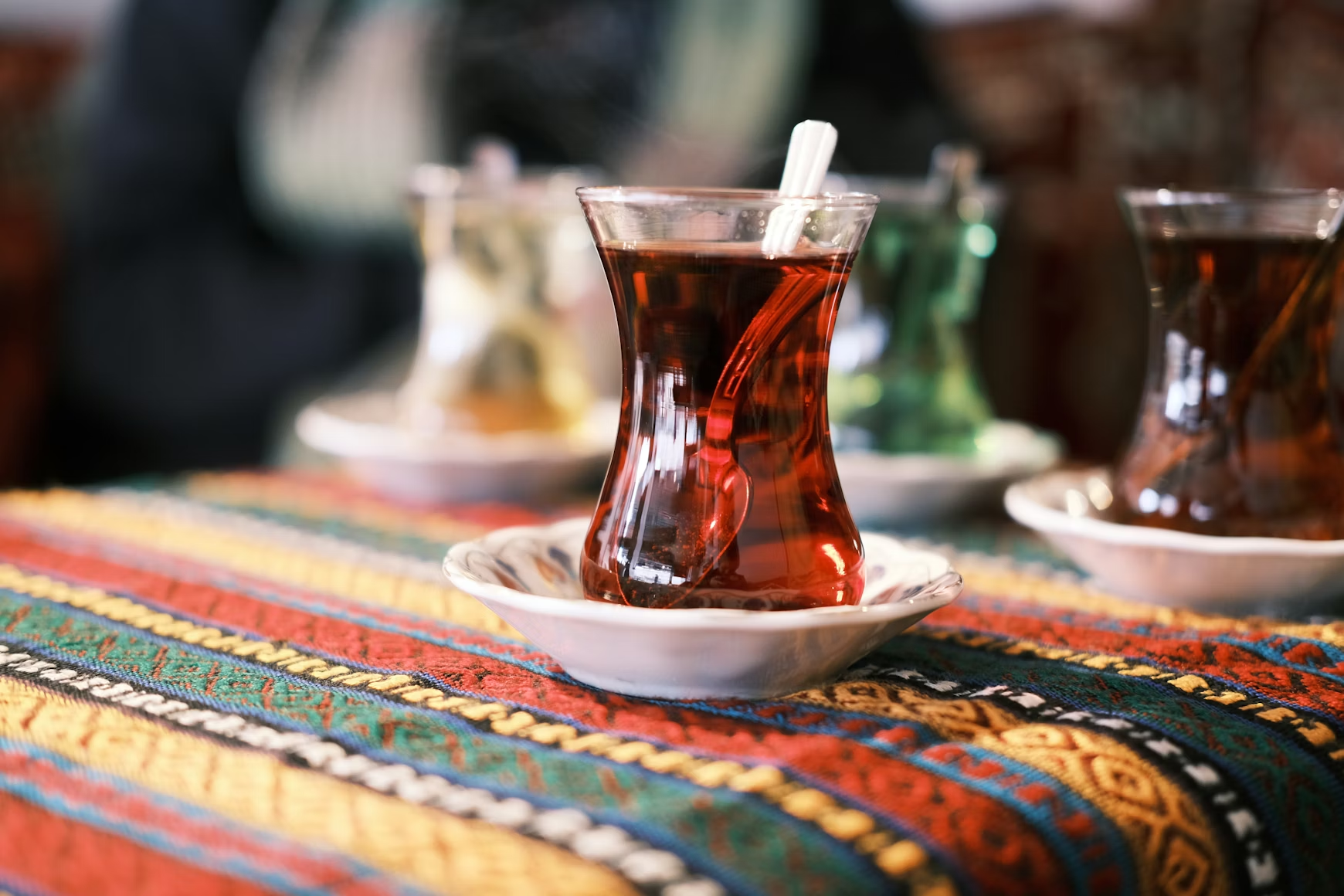
- Cozy Culture: Experience Turkish winter traditions like salep (a warm orchid root drink), boza (a fermented wheat beverage), and Turkish tea houses filled with locals playing backgammon.
Winter travel tip: Don't skip the Bosphorus ferries just because it's cold. The Şehir Hatları boats have heated indoor cabins where you can sip Turkish tea while watching the snowy cityscape glide by — it's one of Istanbul's most atmospheric experiences.
For Photography Enthusiasts
The occasional snowfall creates once-in-a-lifetime photo opportunities of Istanbul's iconic structures. Plus, winter brings dramatic skies and atmospheric fog over the Bosphorus.
2026 events calendar
The table below lists Istanbul's major 2026 holidays and festivals with exact dates, the season they fall in, and what travelers should expect on the ground.
| Event | Dates | Season | What to Expect |
| Ramadan | Feb 16 – March 17 | Winter/Spring | Evening iftar gatherings in Sultanahmet. Some restaurants closed daytime in conservative areas; tourist zones unaffected. |
| Eid al-Fitr | March 18–20 | Spring | 3-day national holiday. Festive atmosphere, some closures. |
| Istanbul Tulip Festival | April 1–30 | Spring | Millions of tulips citywide. Peak bloom: April 10–20. |
| Kurban Bayramı | May 27–30 | Spring | 4-day holiday. Transport often free but very crowded. |
| Istanbul Jazz Festival | June 30 – July 13 | Summer | 33rd edition. Robert Plant, Marcus Miller, and nearly 200 artists across 30 concerts. |
| Republic Day | October 29 | Autumn | National holiday. Celebrations and parades; some closures. |
Seasonal comparison at a glance
The two tables below compare Istanbul's four seasons on weather and prices, then on packing and transportation — useful for quickly matching a travel style to a time of year.
Weather & Tourism Overview
| Season | Temperature Range | Season Type | Prices | Precipitation | Best For |
| Spring | 10–23°C (50–73°F) | Shoulder season | Medium | Occasional showers | Gardens, photography, comfortable sightseeing |
| Summer | 23–32°C (73–90°F) | High season | Highest | Rare | Beaches, nightlife, outdoor festivals, Bosphorus activities |
| Autumn | 12–25°C (54–77°F) | Shoulder season | Medium-high | Increasing in November | Photography, cultural events, balanced experience |
| Winter | 5–10°C (41–50°F) | Low season | Lowest | Rain/occasional snow | Budget travel, authentic local experiences, museums |
What to Pack & Practical Tips
| Season | What to Pack | Transportation Notes | Special Considerations |
| Spring | Layers, light raincoat, comfortable walking shoes | All services running normally | Book ahead for Tulip Festival period and Eid holidays |
| Summer | Light clothing, sun protection, swimwear, mosque-appropriate cover | Most frequent ferry/boat services | Early morning starts to avoid midday heat at outdoor sites |
| Autumn | Light layers, waterproof jacket, comfortable shoes | All services running normally | Check cultural event calendars for special exhibitions |
| Winter | Warm coat, scarf, gloves, waterproof boots, umbrella | Rare disruptions during heavy snow; metro stays reliable | Reduced hours at some attractions; confirm opening times |
The Bosphorus ferry services operate year-round but offer more frequent departures during summer months. In winter, be aware that rare heavy snowfall might temporarily disrupt transportation, though the metro system typically remains reliable. An Istanbulkart works on all public transport year-round.
The bottom line
May is the single best month to visit Istanbul, at the peak of shoulder season. Weather is warm but not hot (21°C), tulips are still lingering, Ramadan and Eid festivities have passed, and high-season crowds haven't arrived yet. Late September is a close second — golden light, thinning crowds, and still-warm evenings perfect for rooftop dining as the city transitions out of high season.
For budget travelers, the low season months of January–February offer the steepest discounts (hotel rates drop 50–60%) with a genuinely atmospheric experience. For families with school schedules, early June captures summer energy before the July–August peak high season.
Frequently asked questions
What is the best month to visit Istanbul?
May is widely considered the best single month. Temperatures average 21°C (70°F), rainfall is low, crowds are moderate, and you catch the end of tulip season. Late September is a close second with similar weather and fewer tourists.
When is the cheapest time to visit Istanbul?
January and February are the cheapest months. Hotel rates drop 50–60% compared to summer, with mid-range hotels available from ₺1,345–₺2,242 per night. Flights are also cheaper, and major attractions have virtually no queues.
Is Istanbul worth visiting in winter?
Yes — winter reveals Istanbul's most authentic side. Fewer tourists mean genuine interactions with locals, no lines at Hagia Sophia or Topkapi Palace, and dramatic winter scenery. Pack warm layers and embrace the cozy tea house culture. Occasional snow turns the city into a fairytale.
When is Ramadan in Istanbul in 2026?
Ramadan runs from February 16 to March 17, 2026. Tourist areas and restaurants in Taksim, Sultanahmet, and Kadıköy remain open during the day. Evenings come alive with special iftar gatherings, especially in Sultanahmet Square — it's a unique cultural experience worth planning around.
What should I wear when visiting Istanbul?
Dress for the season: light layers in spring and autumn, breathable clothing with sun protection in summer, and a warm coat with waterproof boots in winter. Year-round, keep a scarf or shawl handy for mosque visits where shoulders and knees must be covered.
When is the Istanbul Tulip Festival?
The Istanbul Tulip Festival runs throughout April, with peak bloom typically around April 10–20. Emirgan Park has the most spectacular displays, but you'll find tulips in parks and public spaces across the entire city, including Sultanahmet Square and Gülhane Park.
Is August a good time to visit Istanbul?
August is peak season with the hottest weather (up to 32°C/90°F) and the largest crowds. Expect 30–60 minute waits at major attractions during midday and the highest hotel prices of the year. If you must visit in August, start your days early, plan museum visits for the afternoon heat, and book a Bosphorus cruise for the evening breeze.