
What Souvenirs to Buy in Istanbul in 2026: Full Shopping Guide
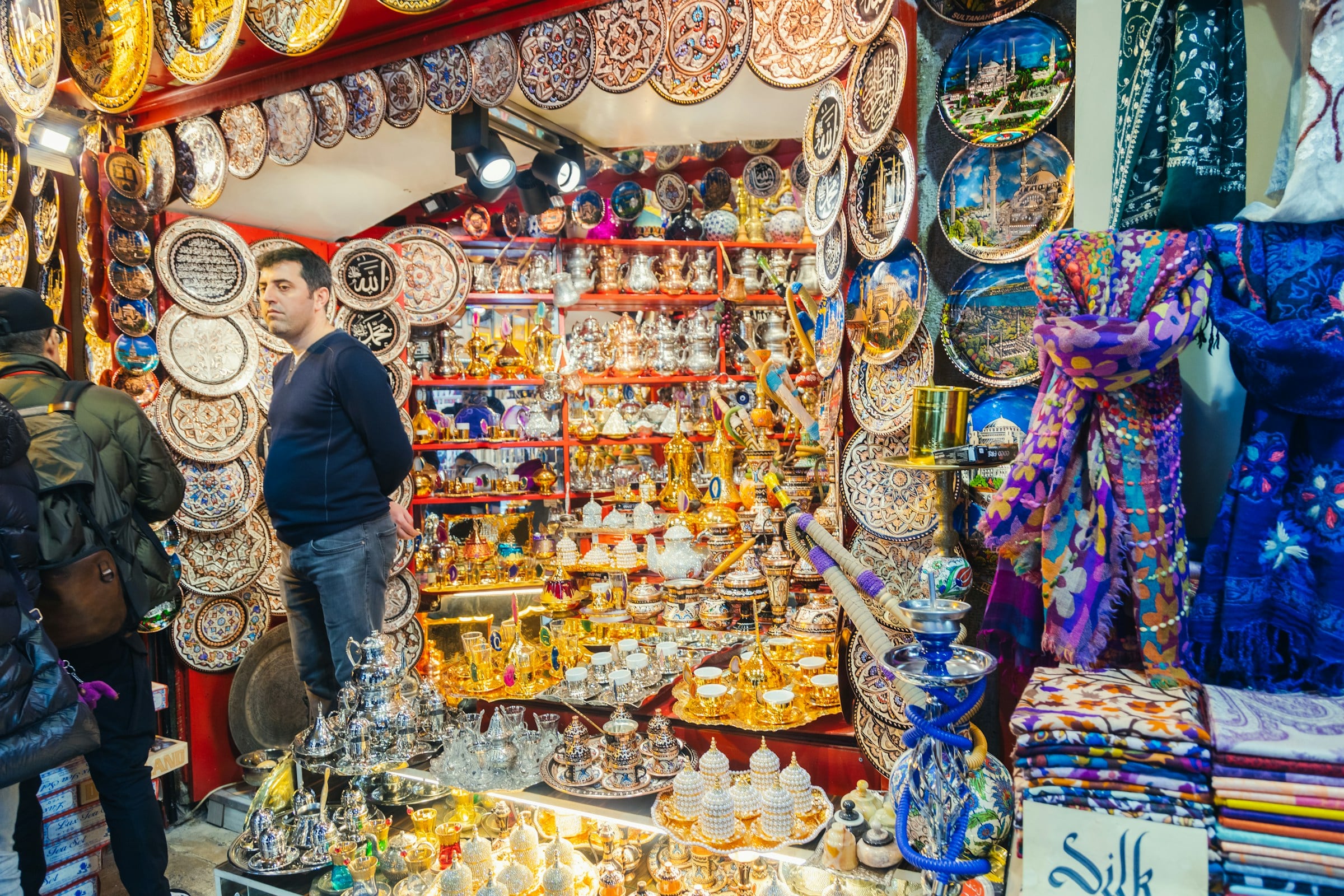
Istanbul''s best souvenirs are the ones rooted in centuries of craft — nazar (evil eye) charms, Turkish delight and baklava, Kurukahveci Mehmet Efendi coffee, handwoven rugs, İznik tiles, mosaic lamps, peshtemal towels, and olive-oil soaps. The Grand Bazaar is the iconic stop, but savvier shoppers cross-check prices at the Spice Bazaar, Arasta Bazaar, and smaller Karaköy or Kadıköy shops before committing.
Quick facts
- Grand Bazaar hours: Mon–Sat 09:00–19:00. Closed Sundays and public holidays.
- Spice Bazaar hours: Daily 09:00–19:00 (opens 10:00 on Sundays).
- Payment: Cash gets the best price; cards accepted at most stalls but often with a 3–5% surcharge.
- Bargaining: Expected at bazaars and rug shops — counter at ~50% and settle around 60–70% of the opening price.
- VAT refund: Available at Tax Free-participating shops — minimum purchase thresholds vary by shop in 2026; confirm at the till before buying. Claim at the airport before check-in.
- Antiquities: Exporting genuine antiques without a museum certificate is illegal — avoid "old" coins, tiles, and icons sold loose at bazaars.
- Shipping: Carpet dealers and lamp shops routinely ship abroad via DHL/UPS; ask for a tracking number and invoice.
What are the most iconic souvenirs to buy in Istanbul?
Twelve categories cover almost every Istanbul souvenir worth buying. The table lists 2026 prices, where to buy, and how to spot the real thing.
| Souvenir | Typical 2026 price | Best place to buy | Authenticity check |
| Nazar (evil eye) bracelet | ₺50–₺300 | Grand Bazaar, airport shops | Hand-blown glass has tiny bubbles; machine-made is perfectly uniform |
| Turkish coffee (250 g) | ₺350–₺400 | Kurukahveci Mehmet Efendi, Eminönü | Seal intact, roast date on pack |
| Cezve (copper coffee pot) | ₺400–₺1,800 | Grand Bazaar copper alley | Hand-hammered marks inside; tin-lined interior |
| Turkish delight (lokum, 500 g) | ₺500–₺1,150 | Hafız Mustafa, Ali Muhiddin Hacı Bekir | Soft, not rubbery; real pistachio is dusty green, not neon |
| Baklava (1 kg) | ₺1,650–₺2,700 | Karaköy Güllüoğlu, Hafız Mustafa | Shatters on bite; oily residue = stale |
| Saffron (1 g) | ₺140–₺210 (real) | Spice Bazaar (trusted vendor) | Real threads stain water yellow slowly, not instantly red |
| Çay (Turkish tea, 500 g) | ₺160–₺195 | Supermarkets — Çaykur Rize Turist | Loose-leaf, not teabags |
| Hand-knotted rug (1 × 1.5 m) | ₺15,873–₺132,275+ | Sultanahmet rug shops, Arasta Bazaar | Knots visible on reverse; fringe is part of the warp, not sewn on |
| Mosaic lamp | ₺800–₺4,000 | Grand Bazaar lamp alley | Real glass pieces are uneven thickness; plastic mimics are suspiciously light |
| İznik-style ceramic plate | ₺400–₺3,500 | Arasta Bazaar, Sultanahmet workshops | Hand-painted has slight brush variation; decals show a pixel edge |
| Peshtemal (Turkish towel) | ₺250–₺700 | Jennifer''s Hamam (Arasta), Kadıköy | 100% cotton or cotton-linen; weight around 300–400 g |
| Olive-oil soap (bar) | ₺60–₺200 | Spice Bazaar, Eyüp workshops | Stamped maker''s mark; ingredient list with only olive oil + lye |
Evil eye (nazar boncuğu): what it means and what it costs
The nazar is a blue glass disc believed to deflect negative energy and Istanbul''s most-bought souvenir. A simple bracelet runs ₺50–₺150 at the Grand Bazaar; a hand-blown wall hanging from a Nazarköy (İzmir) workshop costs ₺400–₺1,200. Anything under ₺30 is mass-produced resin, not glass.
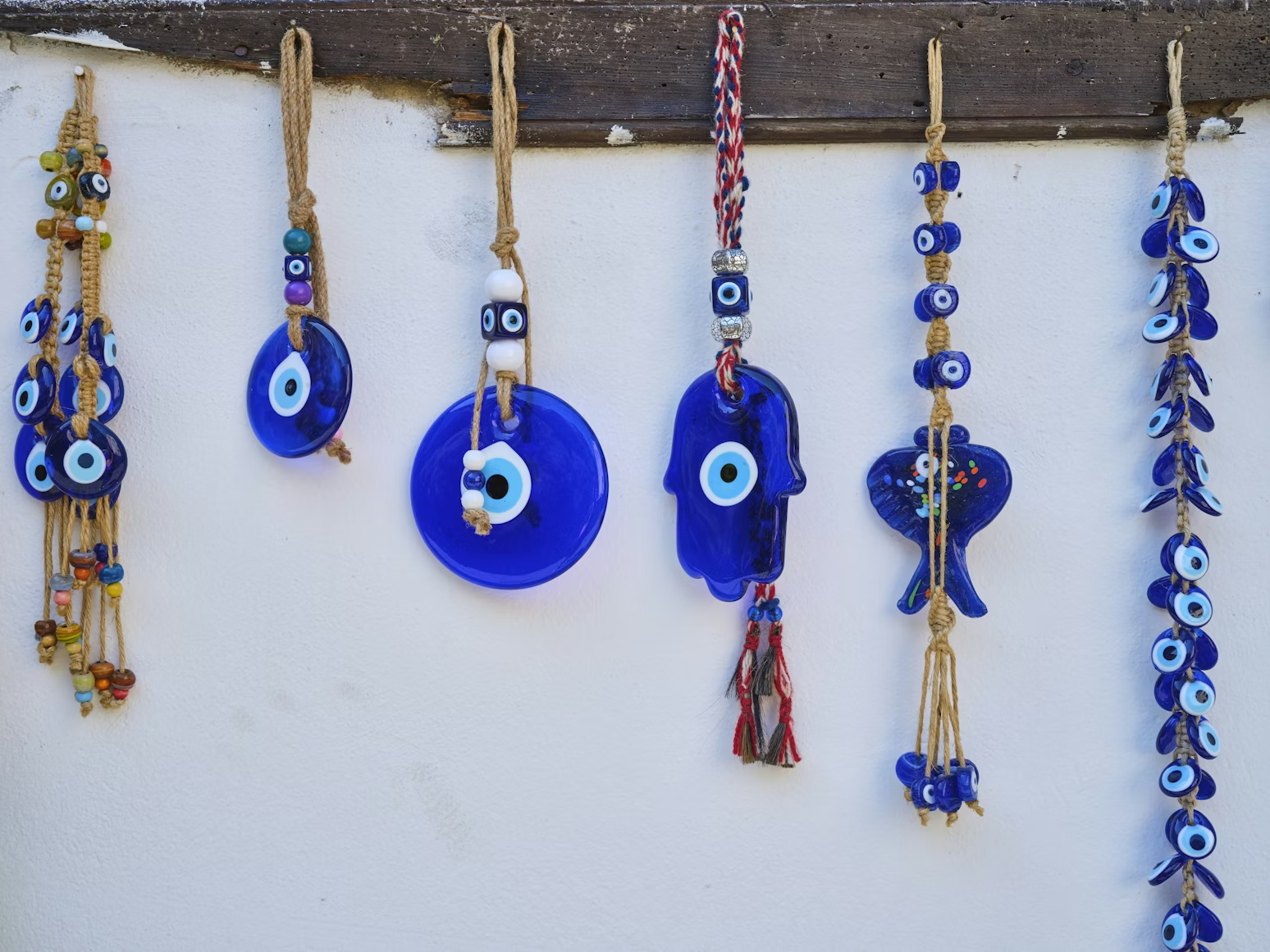
Tip: Real hand-blown nazars have tiny air bubbles and slight asymmetry. Hold one up to the light — perfectly flat, bubble-free glass is machine-pressed.
Locals pin nazars to the shoulder of a newborn''s onesie, which makes them a fitting gift for expecting friends back home.
Turkish coffee, cezve, and cups: why Kurukahveci Mehmet Efendi?
Kurukahveci Mehmet Efendi has been roasting on the same Eminönü corner since 1871. A 250 g vacuum pack costs ₺350–₺400 in 2026 at the flagship and most specialty retailers; large supermarkets like Migros run slightly lower.
Pair the coffee with a cezve (long-handled copper pot) and two fincan cups. A handmade copper cezve runs ₺400–₺1,800 at the Grand Bazaar''s copper alley (Kalpakçılar Caddesi). Aluminum imitations weigh almost nothing; real hand-hammered copper has weight, visible hammer marks inside, and a tin-lined interior.
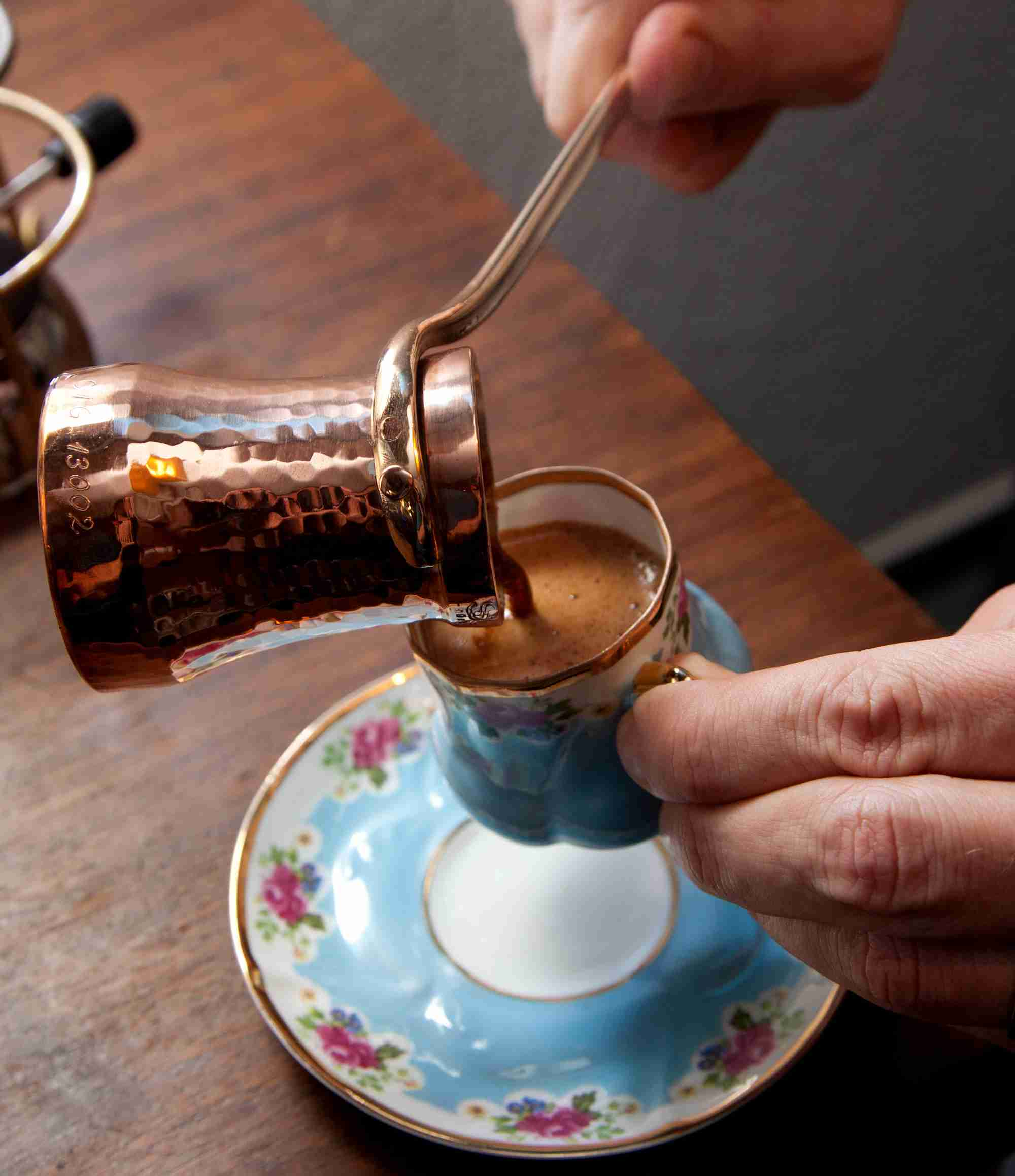
Warning: Cezves made of pure copper without a tin lining can leach into coffee when heated. Confirm "kalaylı" (tin-lined) before buying.
Turkish delight (lokum) and baklava: where to find the real stuff
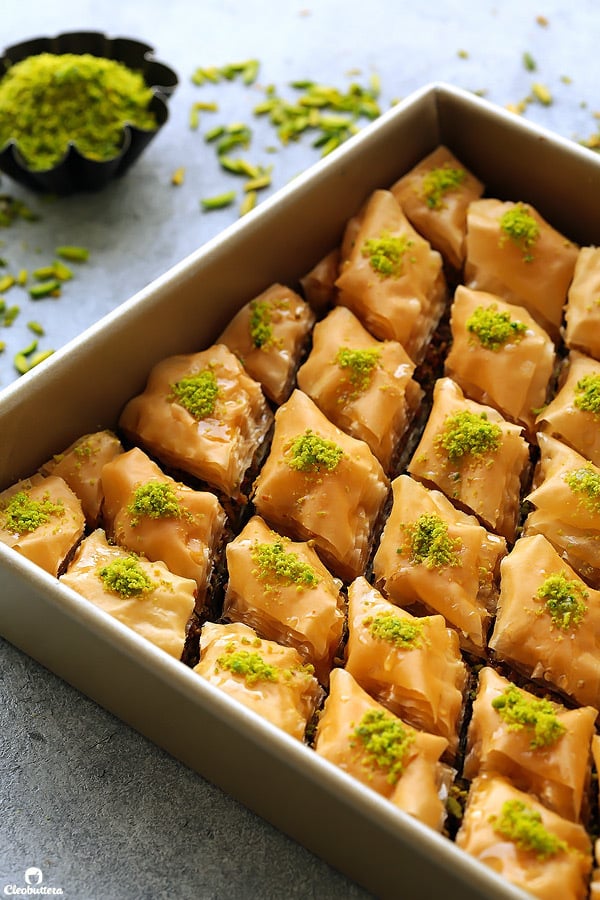
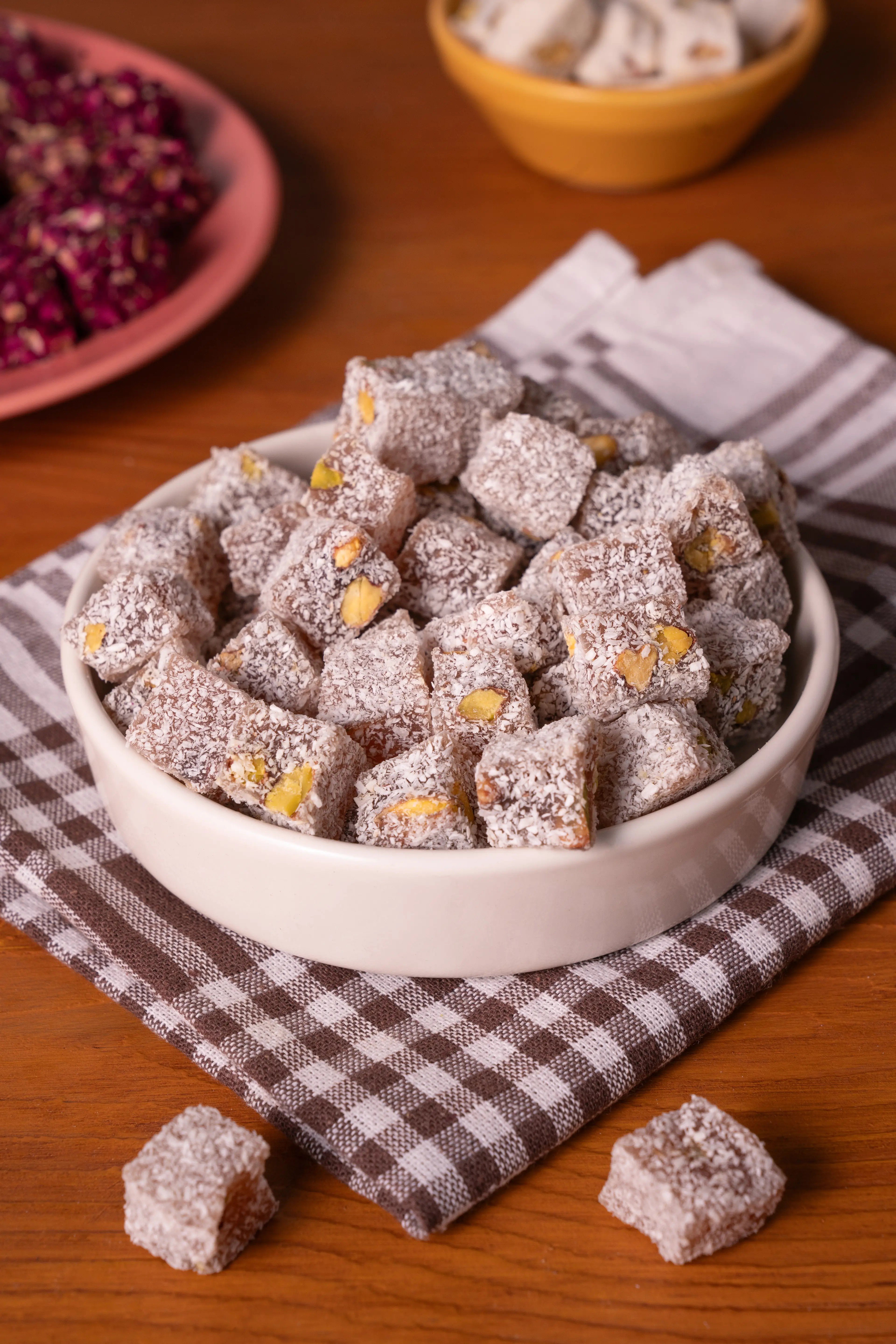
For lokum, Ali Muhiddin Hacı Bekir (Hamidiye Caddesi, Eminönü) is the original — the family invented modern Turkish delight in 1777. Hafız Mustafa is the glossier chain with tourist-friendly packaging. A 500 g box runs ₺500–₺1,150 in 2026: plain and fruit flavors at the low end, double-roasted pistachio and pomegranate rolls at the top. Pistachio and rose travel best.
For baklava, two names dominate:
- Karaköy Güllüoğlu — the family branch in Karaköy (not the airport imposters). Walnut baklava starts around ₺1,650 per kg; standard pistachio (fıstıklı) sits at ₺2,050–₺2,150 per kg; specialty cuts like fıstıklı dürüm and kare baklava climb to ₺2,500–₺2,700 per kg.
- Hafız Mustafa — sweeter, less buttery, widely available, and ships vacuum-sealed to the airport.
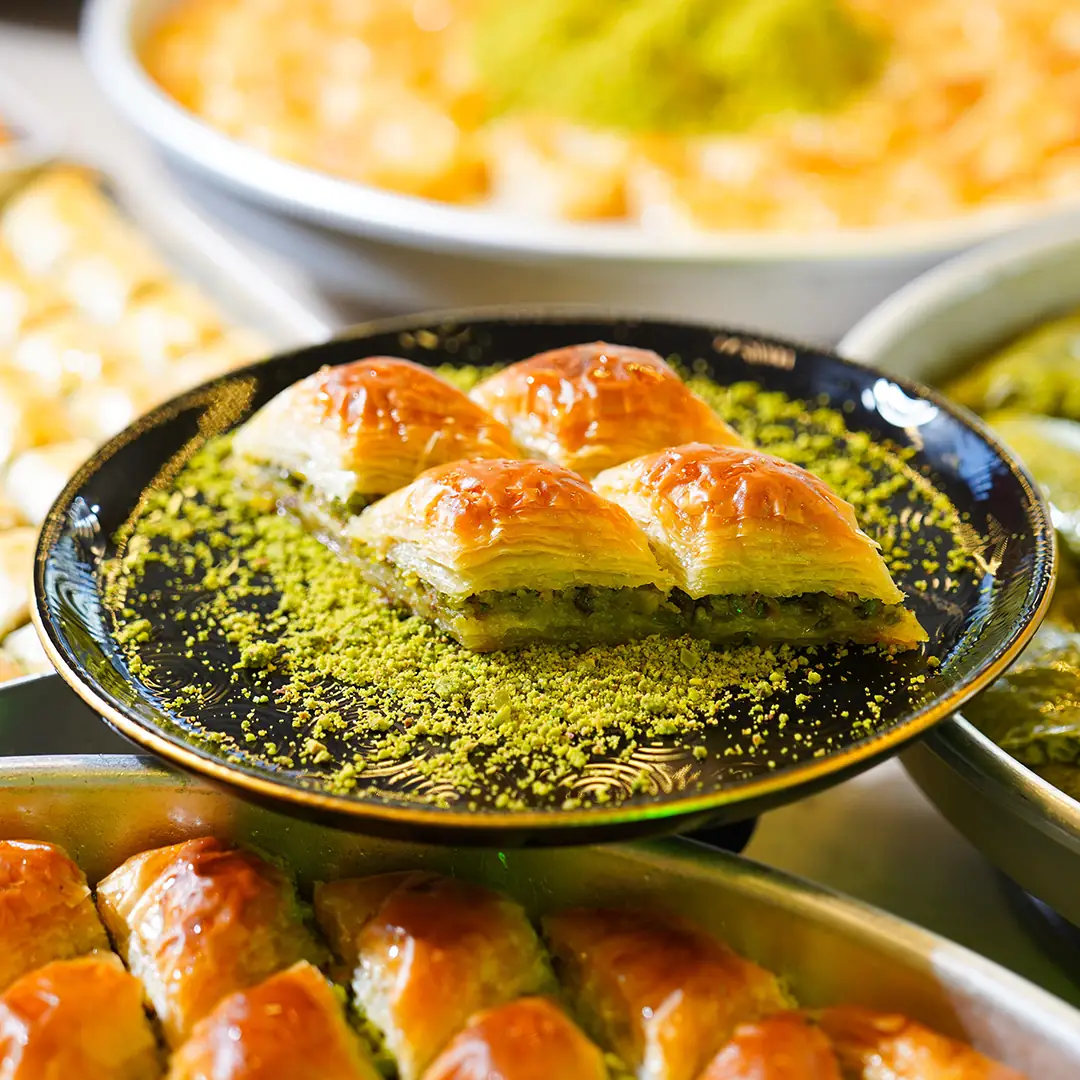
Location: Karaköy Güllüoğlu''s original shop is at Rıhtım Caddesi, Katlı Otopark Altı — directly across from the Karaköy ferry terminal. Other "Güllüoğlu" spellings at the airport are separate businesses.
Vacuum-sealed baklava keeps 2–3 weeks unrefrigerated.
Spices and tea: what to buy at the Spice Bazaar
The Egyptian Spice Bazaar (Mısır Çarşısı) in Eminönü is built for tourists, and prices inside run roughly double the side streets just behind it. What to buy inside the hall: sumac, pul biber (Aleppo pepper flakes), Turkish oregano, pomegranate molasses, and vacuum-packed pistachios from Gaziantep.
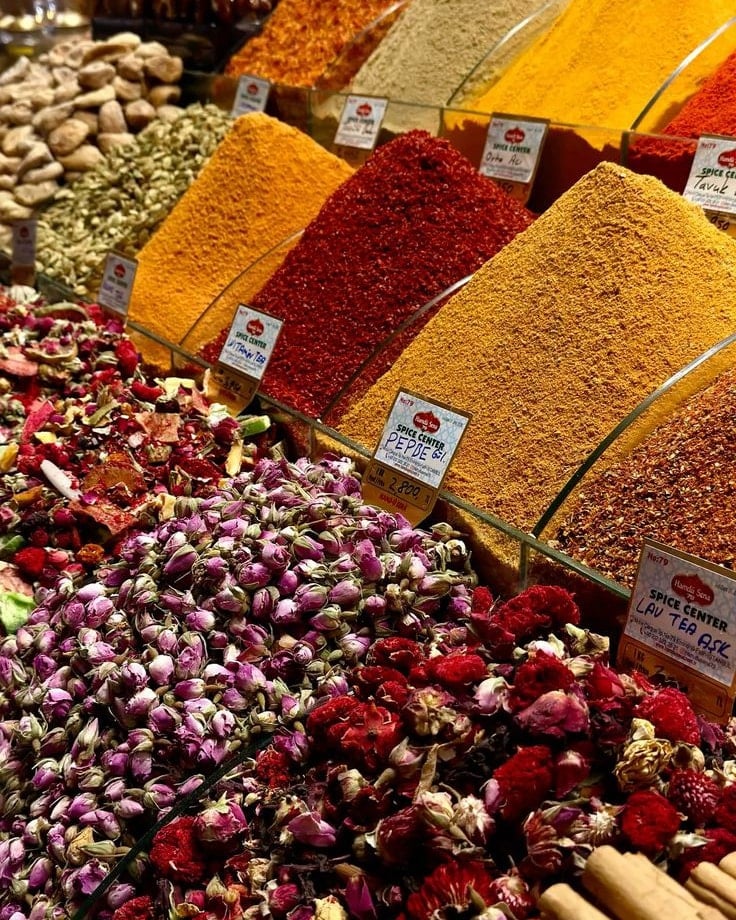
Çaykur Rize Turist is the black tea every Turkish home drinks — a 500 g bag costs ₺160–₺195 at any supermarket (Migros, BİM) in 2026 and still a fraction of the Spice Bazaar markup.
Saffron warning: "Saffron" sold at ₺20–₺80 per gram is almost always safflower, lower-grade stock, or turmeric-dyed corn silk. Real high-grade Turkish or Iranian saffron runs ₺140–₺210 per gram at the Spice Bazaar in 2026. Drop a few threads in warm water — real saffron stains the water yellow slowly over 10–15 minutes; fakes dump color within seconds.
Carpets, rugs, cushions, and table runners: how to shop without getting burned
A hand-knotted Turkish rug is the highest-ticket souvenir in this guide: ₺10,000–₺100,000+ for a room-sized piece. Sultanahmet is wall-to-wall rug shops; the Arasta Bazaar has fewer but often better-priced options. Always ask to see the back: hand-knotted rugs show each knot clearly on the reverse, while machine-made and printed rugs have a uniform mesh or a pattern bleeding through.
Reputable shops ship via DHL or UPS with a declared invoice. Get the tracking number before paying.
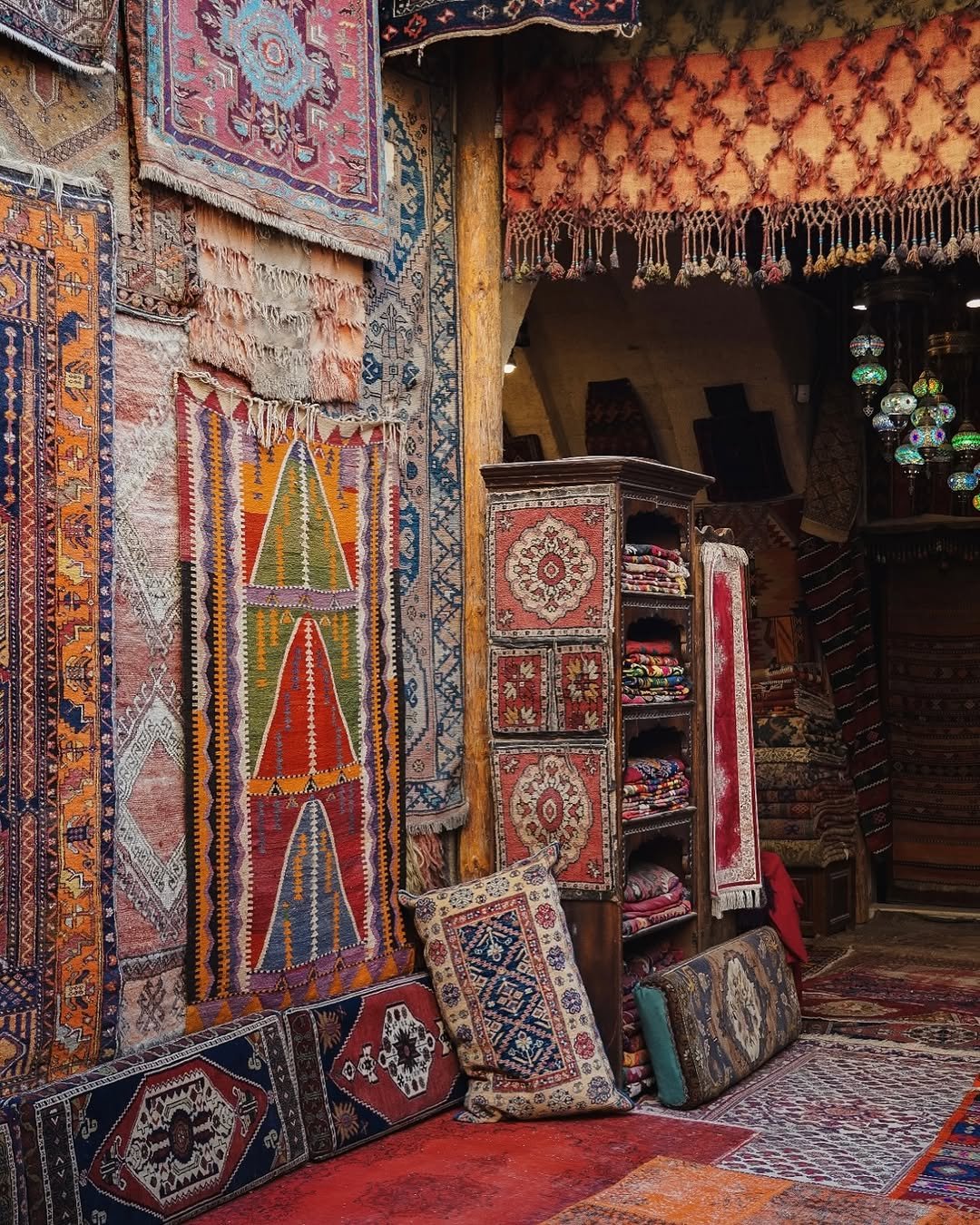
Tip: Cushion covers (kilim-pattern, ₺150–₺400 each) and table runners (₺200–₺600) are the low-risk entry point. They weigh nothing, pack flat, and the worst-case downside is a ₺400 mistake rather than a ₺40,000 one.
Turkish lamps, İznik tiles, and pottery: handmade vs. mass-produced
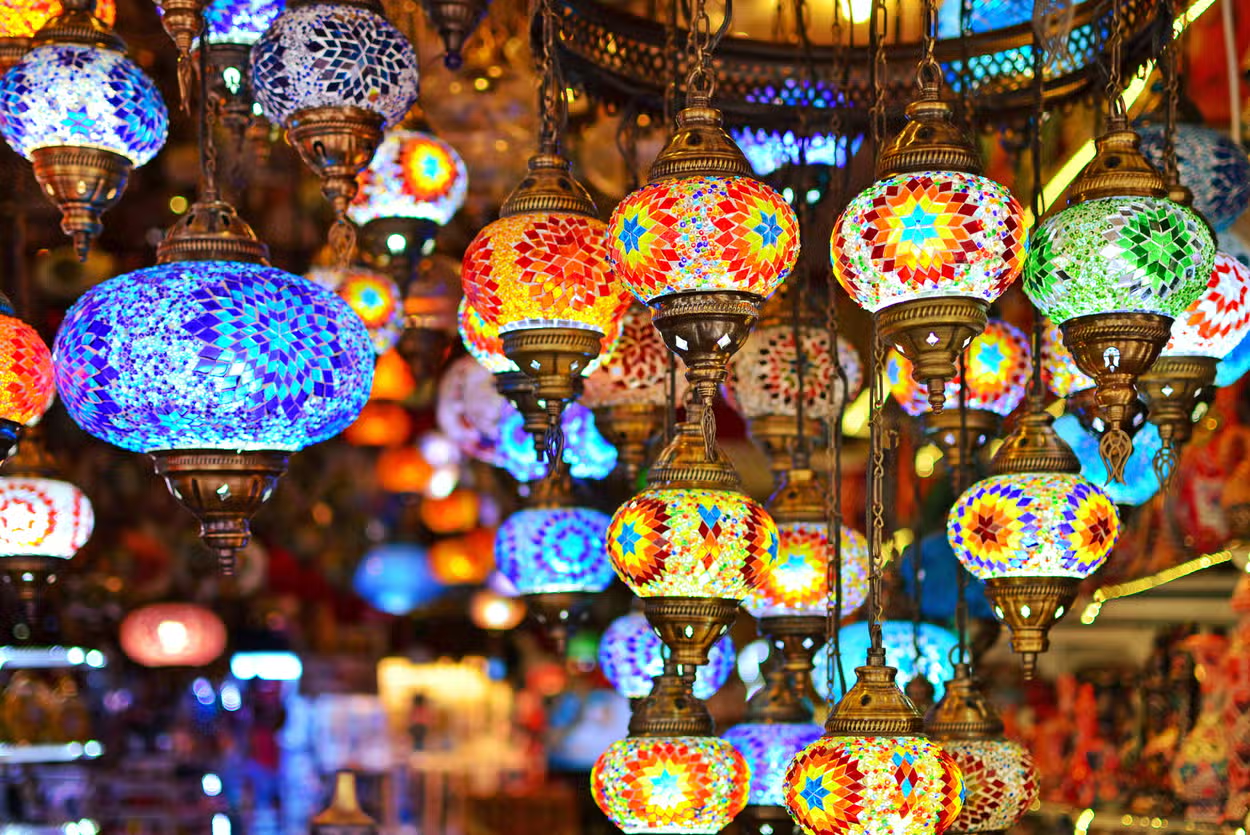
Mosaic lamps are hand-cut glass pieces glued to a blown-glass globe. Real ones have uneven glass thickness, visible grout lines, and noticeable weight. A small tabletop lamp runs ₺800–₺1,500; a ceiling cluster can climb past ₺4,000. Most shops pack for checked luggage — a cabin-bag lamp rarely survives.
İznik-style ceramics replicate the 16th-century palette seen in the Blue Mosque and Topkapı Palace — cobalt blue, tomato red, sage green on white. A hand-painted plate costs ₺400–₺3,500 depending on size; decal-printed imitations drop to ₺80–₺150. Under a loupe, hand-painted brush strokes vary; decals show a crisp pixel edge.
Location: The Arasta Bazaar behind the Blue Mosque has several workshops where painters sit in the shop. Seeing the process makes the price make sense, even if you don''t buy.
Peshtemal towels and handmade soaps: the practical souvenirs
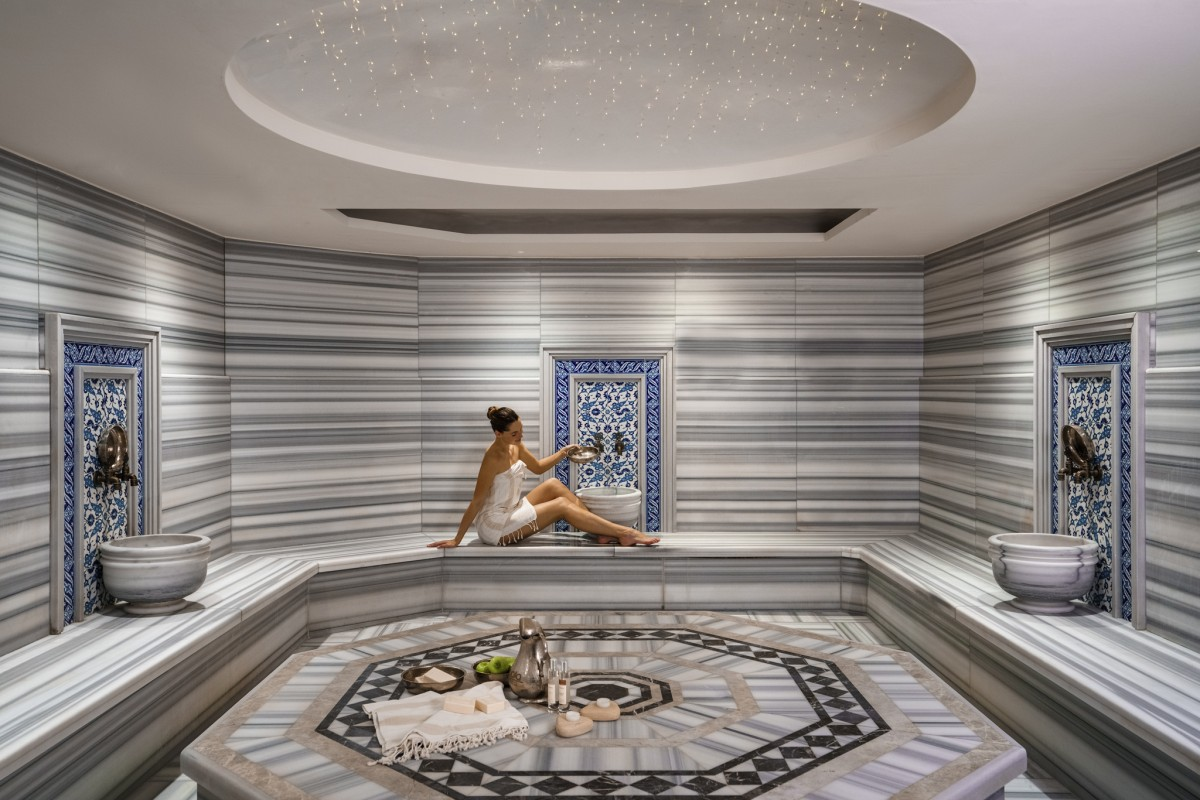
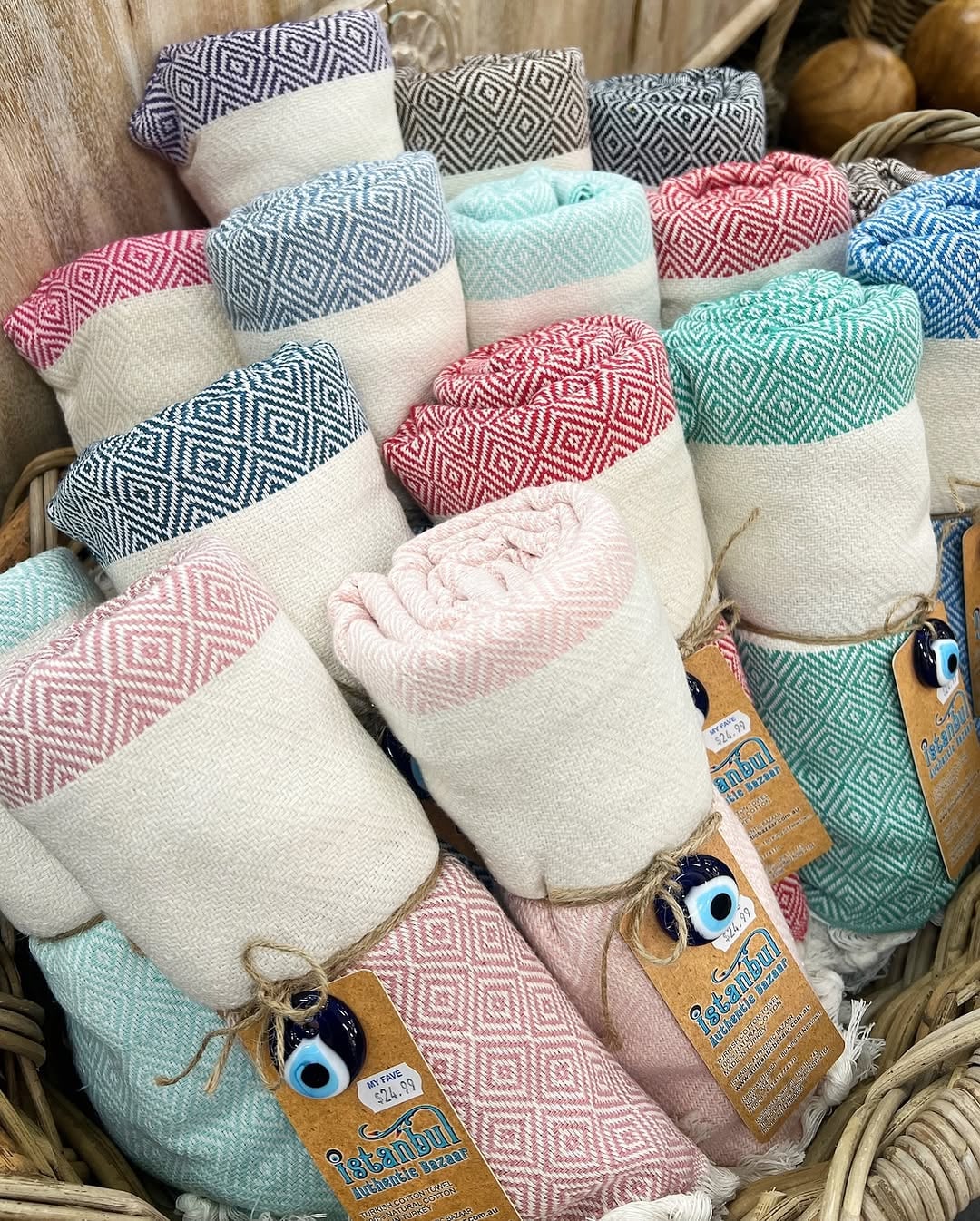
Peshtemal (pestemal) is the flat-woven cotton towel used in Turkish baths for 600 years; modern versions double as beach towels, throws, and scarves. A quality peshtemal weighs 300–400 g and softens after the first wash. Expect ₺250–₺700; Jennifer''s Hamam in the Arasta Bazaar is the best-known source, but Kadıköy shops run 20–30% cheaper.
Olive-oil soap (Bursa or Ayvalık style) comes wrapped in waxed paper with a maker''s stamp. A 150 g bar costs ₺60–₺200 at the Spice Bazaar. Ingredient lists should read "olive oil, sodium hydroxide, water" — nothing else. Brightly colored soaps with glitter are tourist novelty, not the real article.
Where should you shop: Grand Bazaar, Spice Bazaar, or neighborhood shops?
Each market has a specialty. Cross-shop before committing on anything expensive.
| Market | Best for | Price level | Bargaining | Vibe |
| Grand Bazaar | Jewelry, lamps, textiles, carpets, copper | Highest tourist markup | Essential — aim for 40–50% off asking | Maze-like, 4,000+ shops, overwhelming |
| Spice Bazaar | Spices, tea, lokum, dried fruit, soaps | Moderate inside, cheap in back alleys | Light — most prices per kg | Compact L-shape, 30 min to walk |
| Arasta Bazaar | İznik ceramics, peshtemals, smaller rugs | Mid-range, often fixed | Minimal — mostly fixed prices | Quiet, 40 shops, calm after the mosque |
| Karaköy / Galata | Design shops, modern Turkish goods | Fixed, fair | None | Trendy, card-friendly |
| Kadıköy (Asian side) | Local spices, household goods, produce | Lowest | None | Where Istanbulites actually shop |
Tip: Window-shop the Grand Bazaar first to learn the style and vocabulary, then cross the Galata Bridge to Karaköy or ferry to Kadıköy and buy there at 30–50% less.
How do you haggle in Istanbul without offending anyone?
Haggling is expected at bazaars, rug shops, and jewelry stalls — but not at supermarkets, confectioners (Hafız Mustafa, Güllüoğlu), or fixed-price boutiques. The standard opening: counter at roughly 50% of the asking price and settle around 60–70%. Going below 40% is seen as disrespectful and usually ends the conversation.
Useful phrases:
- "Son fiyat ne?" — "What''s your final price?"
- "Biraz indirim yapar mısınız?" — "Can you give a small discount?"
- "Düşüneceğim" — "I''ll think about it" (and walk away, often prompting a counter-offer).
Tip: Cash brings better prices than cards — shops pay 2–3% processing fees and frequently pass them on. Ask "Nakit indirim?" (cash discount?) before paying.
What souvenirs should you avoid or buy carefully?
Some souvenir categories are traps or illegal to export. Skip the items below or buy with care.
- "Antique" coins, icons, and tiles — exporting genuine antiquities without a Ministry of Culture certificate is illegal and punishable with fines plus confiscation at customs. Most bazaar "antiques" are modern reproductions, but customs officers may seize and question either way.
- Dyed saffron — bright-red threads selling for pennies per gram are safflower or corn silk. Real saffron is orange-red with yellow tips and stains water slowly.
- "Silk" rugs at bargain prices — genuine silk-on-silk Hereke rugs start around ₺158,730/m². Anything labeled silk for a few hundred euros is mercerized cotton or art silk (rayon).
- "Ottoman antique" jewelry — usually modern, often plated brass. Ask for a certificate of origin; reputable shops will provide one.
- Fake brand-name leather and watches — common along Kalpakçılar Caddesi. Turkish customs rarely care, but home-country customs (EU, US, UK) can confiscate at arrival.
- Airport shops for anything but last-minute lokum — IST airport markups on coffee, saffron, and lamps run 40–100% above city prices.
Warning: Antiquities law is enforced. If a vendor says "this is 100 years old, no problem," assume it''s either a lie (it''s new) or a legal risk (it''s real). Neither is a good souvenir.
How do you ship large items home?
Rugs, ceiling-hung lamps, and full dinner sets don''t fit in hand luggage. Most sellers in Sultanahmet and the Grand Bazaar offer DHL/UPS shipping with a declared invoice for customs: ₺2,116–₺7,937 to Europe, ₺6,349–₺15,873 to North America, depending on weight and size.
Ask for:
- A declared invoice at actual purchase price (undeclaring to dodge duty is the buyer''s risk, not the shop''s).
- A tracking number emailed before you pay.
- Insurance on anything over ₺26,455.
Smaller lamps and ceramics survive checked luggage when bubble-wrapped with dense foam — most shops pack for free.
Do tourists get a VAT refund in Turkey?
Yes, but the rules shifted in January 2026. Turkey raised the non-refundable business-category threshold to ₺164,000, and many small retailers have stopped offering tourist VAT refunds because of the higher administrative burden. Participating shops still display a blue "Tax Free" sticker; minimum purchase values now vary shop by shop, so confirm at the till before buying. Process at the Tax Free kiosk at Istanbul Airport before check-in — customs needs to see the goods. Refunds return to the original card within 4–8 weeks or in cash on the spot at the airport counter.
Tip: VAT refunds apply to lamps, rugs, jewelry, and ceramics, not to perishable food (lokum, coffee, baklava). Prioritize receipts from the big-ticket shops.
Frequently asked questions
What is the #1 souvenir to buy in Istanbul in 2026?
The nazar (evil eye) charm is the most-bought souvenir in Istanbul — small, inexpensive (₺50–₺300), easy to pack, and unmistakably Turkish. For a more meaningful pick, a 250 g pack of Kurukahveci Mehmet Efendi Turkish coffee (around ₺350–₺400 in 2026) is the locals'' answer.
Is the Grand Bazaar cheaper than the Spice Bazaar?
Neither is cheap by Istanbul standards. The Grand Bazaar has higher markups on crafts and jewelry but more bargaining room; the Spice Bazaar has lower absolute prices on food but less negotiation. The side streets just behind the Spice Bazaar (Hasırcılar Caddesi) are usually 30–50% cheaper than inside the hall for the same spices and tea.
How do you spot fake saffron in Istanbul?
Real high-grade saffron threads are orange-red with pale yellow tips and cost ₺140–₺210 per gram at the Spice Bazaar in 2026. Drop a few threads in warm water — real saffron stains the water yellow gradually over 10–15 minutes, while dyed safflower or turmeric-coated corn silk turns the water red almost immediately.
Can you take Turkish carpets on a plane?
Yes. Hand-knotted rugs fold or roll into checked luggage or a dedicated duffel; most rug shops vacuum-pack and provide a roll bag. For oversized rugs, dealers ship via DHL or UPS with a declared invoice — typical cost is ₺2,116–₺15,873 depending on destination and size. Keep the purchase receipt for customs.
Is it legal to bring İznik tiles or antiques out of Turkey?
Modern reproductions of İznik tiles and ceramics are fully legal to export. Genuine antiques (over 100 years old) require a certificate from the Ministry of Culture — exporting without one is illegal and can result in confiscation and fines. If a vendor claims an item is antique, walk away unless they produce the certificate.
How much should an evil eye bracelet cost in 2026?
A simple hand-blown glass nazar bracelet at the Grand Bazaar runs ₺50–₺150 in 2026. Silver-set or designer versions climb to ₺200–₺500. Anything under ₺30 is mass-produced resin rather than real glass.
Where do locals buy Turkish delight and baklava?
Istanbullus buy lokum at Ali Muhiddin Hacı Bekir (the original 1777 shop on Hamidiye Caddesi in Eminönü) and baklava at Karaköy Güllüoğlu on Rıhtım Caddesi opposite the ferry terminal. Hafız Mustafa is the tourist-friendly chain with vacuum-sealed packaging and airport-friendly quality.
Do shops in the Grand Bazaar accept credit cards?
Most Grand Bazaar shops accept Visa and Mastercard, but many pass on a 2–5% processing fee and quote lower prices for cash. Smaller stalls and copper-alley craftsmen are often cash-only. Carry a mix of lira and euros; euros work but at a worse conversion rate than paying in lira.