
Ultimate Packing Guide for Your Trip to Istanbul
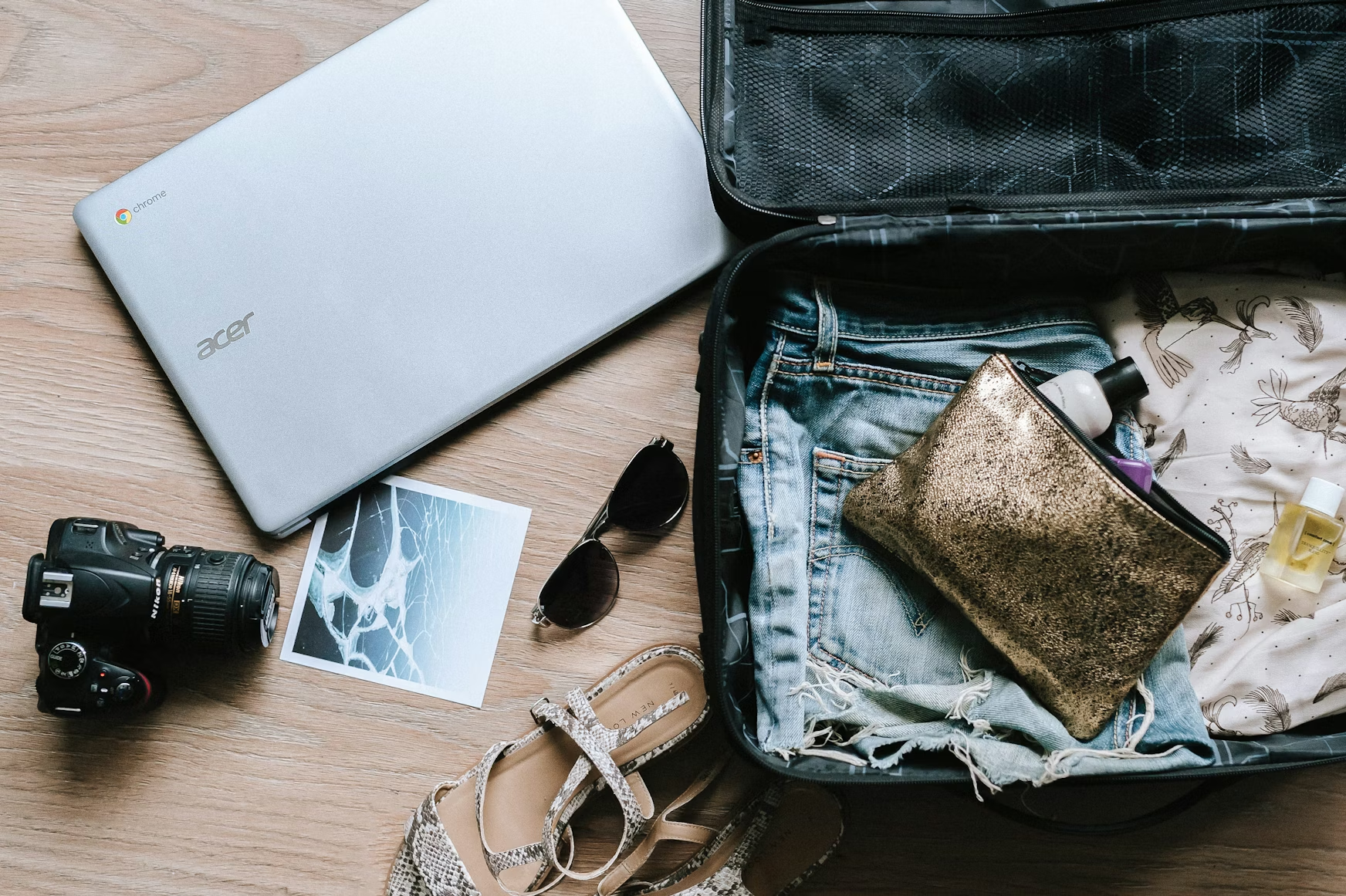
What you pack for Istanbul depends heavily on the season. Here's what to bring — from clothing and electronics to the small stuff most guides forget to mention.
What should you pack for Istanbul by season?
Istanbul has four distinct seasons, and each one demands a different core kit. Summers are hot and humid (often 30°C+), winters are cold and damp near the Bosphorus, and spring/fall bring unpredictable rain. The table below shows the non-negotiables per season.
| Season | Must-pack items | Why |
| Summer (Jun–Sep) | Linen/cotton clothing, sunscreen, sweat towel, swimsuit | Heat and humidity, strong sun, beach access |
| Winter (Dec–Feb) | Thermal leggings, scarf, gloves, waterproof coat | Cold winds off the Bosphorus, frequent rain |
| Spring/Fall (Mar–May, Oct–Nov) | Light layers, trench coat, water-resistant shoes | Fluctuating temps, sudden showers |
| Year-round | Headscarf, modest clothing, comfortable shoes, type-F adapter | Mosque visits, cobblestones, Turkish sockets |
Clothing essentials for women
Mosque dress codes and crowded transit shape what women should pack for Istanbul. Bring items that cover shoulders and legs and can be layered over everyday outfits, plus a crossbody bag for pickpocket-prone areas like the tram and Grand Bazaar.
Headscarf
A headscarf is required for women entering any Istanbul mosque, including Hagia Sophia and the Blue Mosque. A lightweight pashmina works best — easier and more hygienic than borrowing the shared scarves at mosque entrances.
Modest clothing
Istanbul's religious sites require covered legs and shoulders. Long dresses, skirts, or pants are ideal. Modest dress shows respect for local customs and helps you blend in outside tourist zones.
Crossbody purse
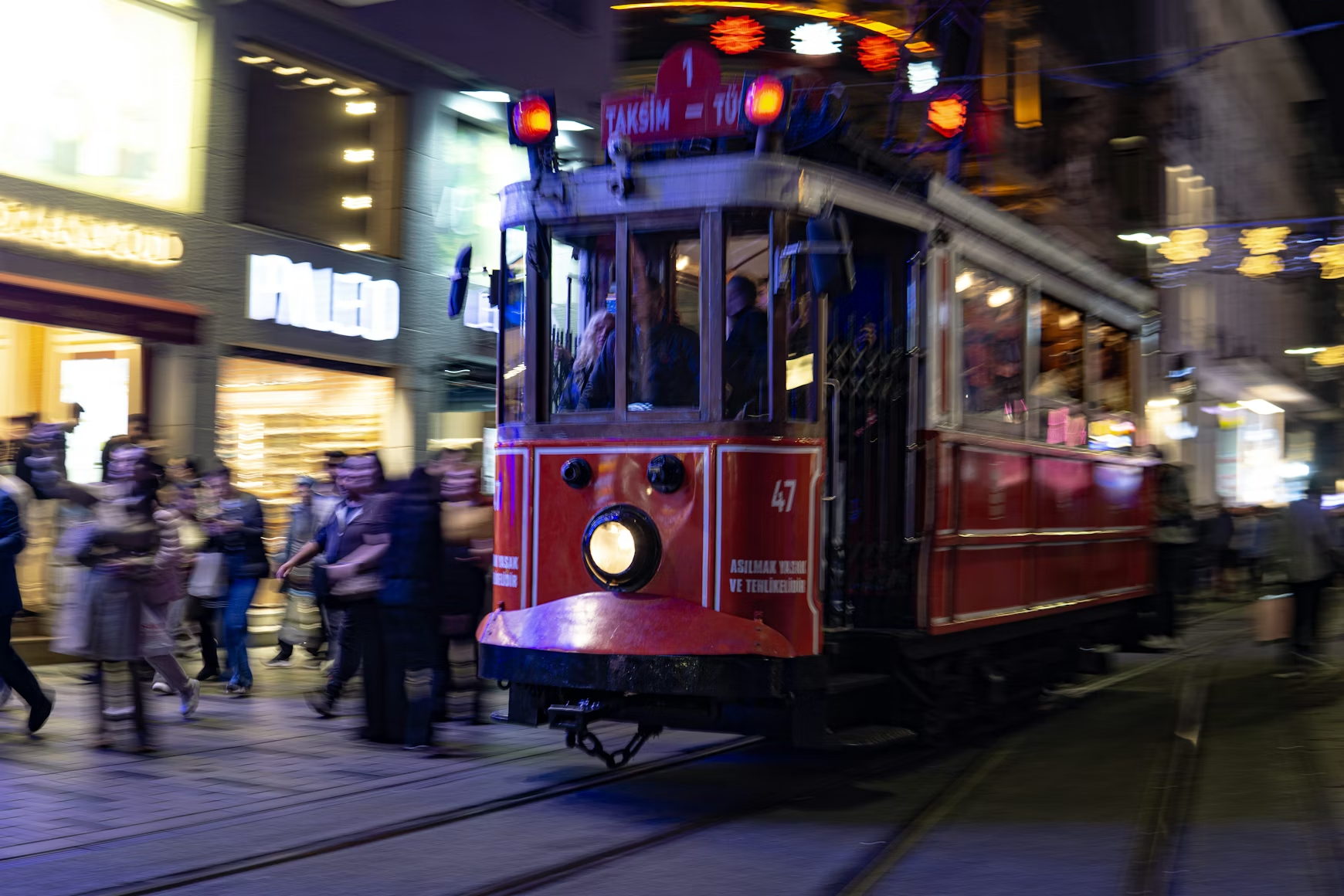
A crossbody purse keeps valuables pinned to your body in crowded areas like the T1 tram and Istiklal Street. Crossbody bags reduce pickpocket risk far more than backpacks or shoulder bags.
Clothing essentials for everyone
Istanbul is a walking city built on seven hills, with worn marble, cobblestones, and steep alleys. Footwear and layerable basics matter more than fashion for every traveler, regardless of season.
Comfortable shoes
Istanbul is best explored on foot, and the cobblestones plus hilly terrain punish thin soles. Well-cushioned sneakers or walking shoes are the single most important item in your bag.
Summer clothing
Hot, humid summers call for lightweight, breathable fabrics like cotton or linen. Natural fibers keep you cool and dry far better than synthetics in July and August.
Sunscreen
Istanbul summer sun is strong, especially on the water during Bosphorus cruises. Pack SPF 30+ and reapply every two hours — shade is scarce around major sights like Topkapı and Sultanahmet Square.
Swimsuit
Pack a swimsuit even if a beach day isn't on the plan. Istanbul has public beaches on the Black Sea, Princes' Islands swim spots, and many hotel pools open in summer.
Sweat towels
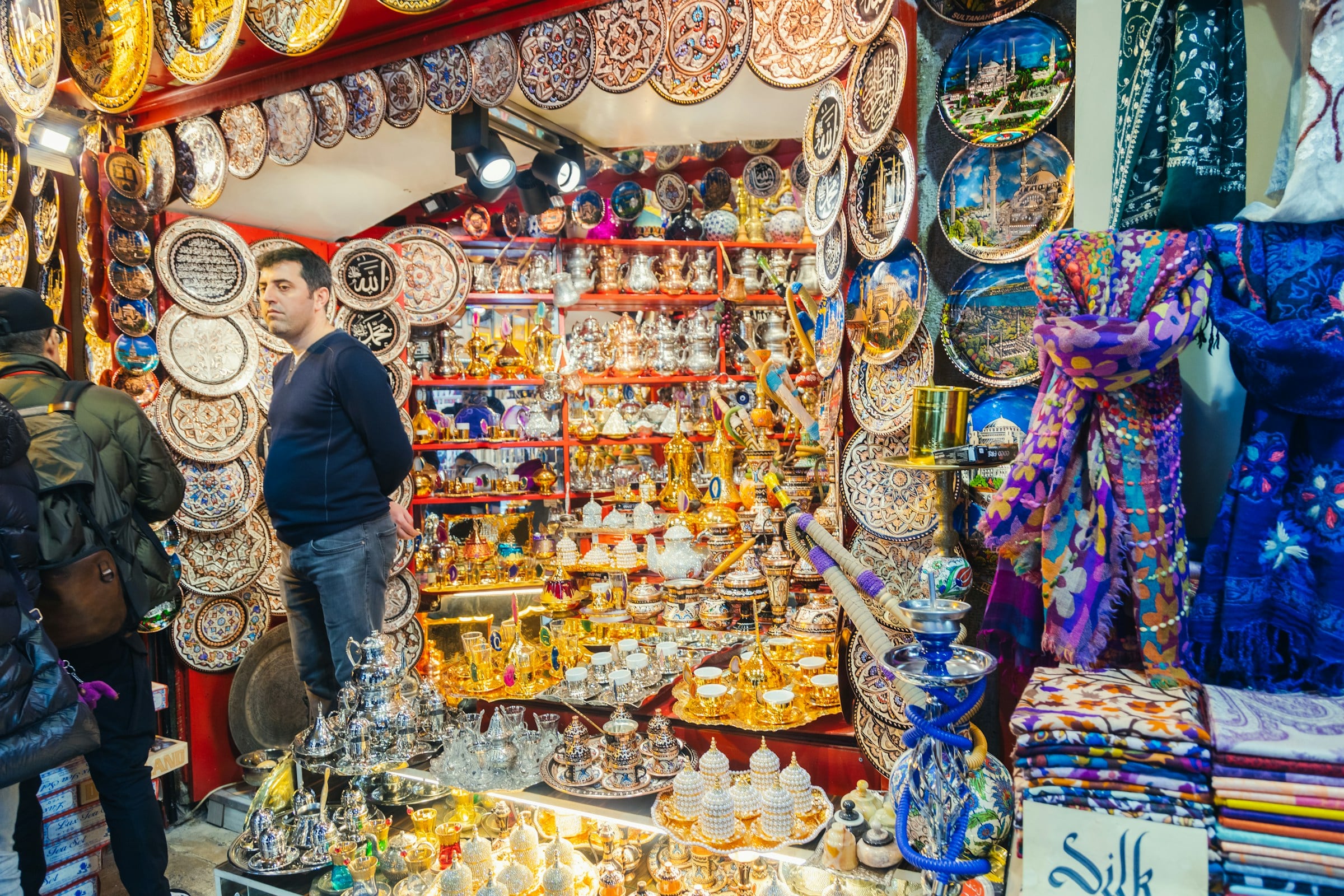
Istanbul humidity makes sightseeing sweaty work from June through September. Small sweat towels keep you dry during long visits to sights like the Grand Bazaar, which has poor airflow.
What to pack for Istanbul in winter
Istanbul winters sit around 5–10°C with cold Bosphorus winds and frequent rain; snow is occasional. Winter packing focuses on warmth, waterproofing, and layers that can come off inside heated museums and restaurants.
| Winter item | Purpose |
| Thermal leggings/tops | Base warmth against Bosphorus wind |
| Scarf, gloves, beanie | Exposed-skin protection on ferries and tram platforms |
| Waterproof outer layer | Rain is frequent Dec–Feb |
| Layered mid-pieces | Easy to shed in heated interiors |
Thermal clothing
Winter in Istanbul turns chilly near the water, especially on ferries and Galata Bridge. Thermal leggings and base-layer tops are the cheapest way to stay warm without over-packing bulky coats.
Warm accessories
Scarves, gloves, and beanies cover the exposed skin most affected by Bosphorus winds. Warm accessories pack small and are easy to stash once you step into a heated café or mosque.
Layers
Layering is the key strategy for Istanbul winter. Multiple thin layers let you adjust as temperatures swing from chilly outdoor platforms to overheated indoor venues like the Grand Bazaar or underground Metro stations.
What to pack for Istanbul in spring and fall
Spring (Mar–May) and fall (Oct–Nov) are Istanbul's most unpredictable seasons: 12–20°C with sudden rain. Pack items that handle both a sunny afternoon in Gülhane Park and a surprise downpour in the same day.
Light layers
Spring and fall temperatures swing 10°C between morning and afternoon. Light layers — t-shirts, long-sleeve tees, and a trench coat — cover the full range without over-packing.
Raincoat and water-resistant shoes
Istanbul sees frequent rain in spring and fall, and the cobblestones turn slick fast. A packable raincoat plus water-resistant shoes or boots keeps you walking comfortably through Sultanahmet and Karaköy on wet days.
What electronics do you need for Istanbul?
Turkey uses type-F plugs on a 230V/50Hz system. Travelers from the US, UK, or Japan need an adapter, and anyone bringing heat-styling tools rated only for 110V also needs a voltage converter.
| Electronic item | Spec needed |
| Plug adapter | Type F (Europlug-compatible) |
| Voltage converter | Only if device is 110V-only |
| Power bank | 10,000 mAh+ for long sightseeing days |
| Backpack lock | Small TSA-style for zippers |
Plug adapter
Turkey uses the type-F plug (two round pins), matching most of continental Europe. A type-F adapter is essential for travelers from the US, UK, Ireland, or Japan.
Voltage converter
Turkey runs on 230V at 50Hz. Dual-voltage devices (most phones, laptops, modern chargers) work fine with just an adapter; single-voltage 110V tools like some US hair dryers need a converter to avoid damage.
Backpack locks
Small zipper locks deter opportunistic theft in crowded areas like the Grand Bazaar, Istiklal Street, and the T1 tram. Backpack locks add a quick extra layer of security for passports and electronics.
Final tips
Check the weather forecast for your travel dates, then confirm two things: a type-F plug adapter and broken-in walking shoes. Those two items solve most day-to-day problems in Istanbul.