
Mistakes to Avoid in Istanbul
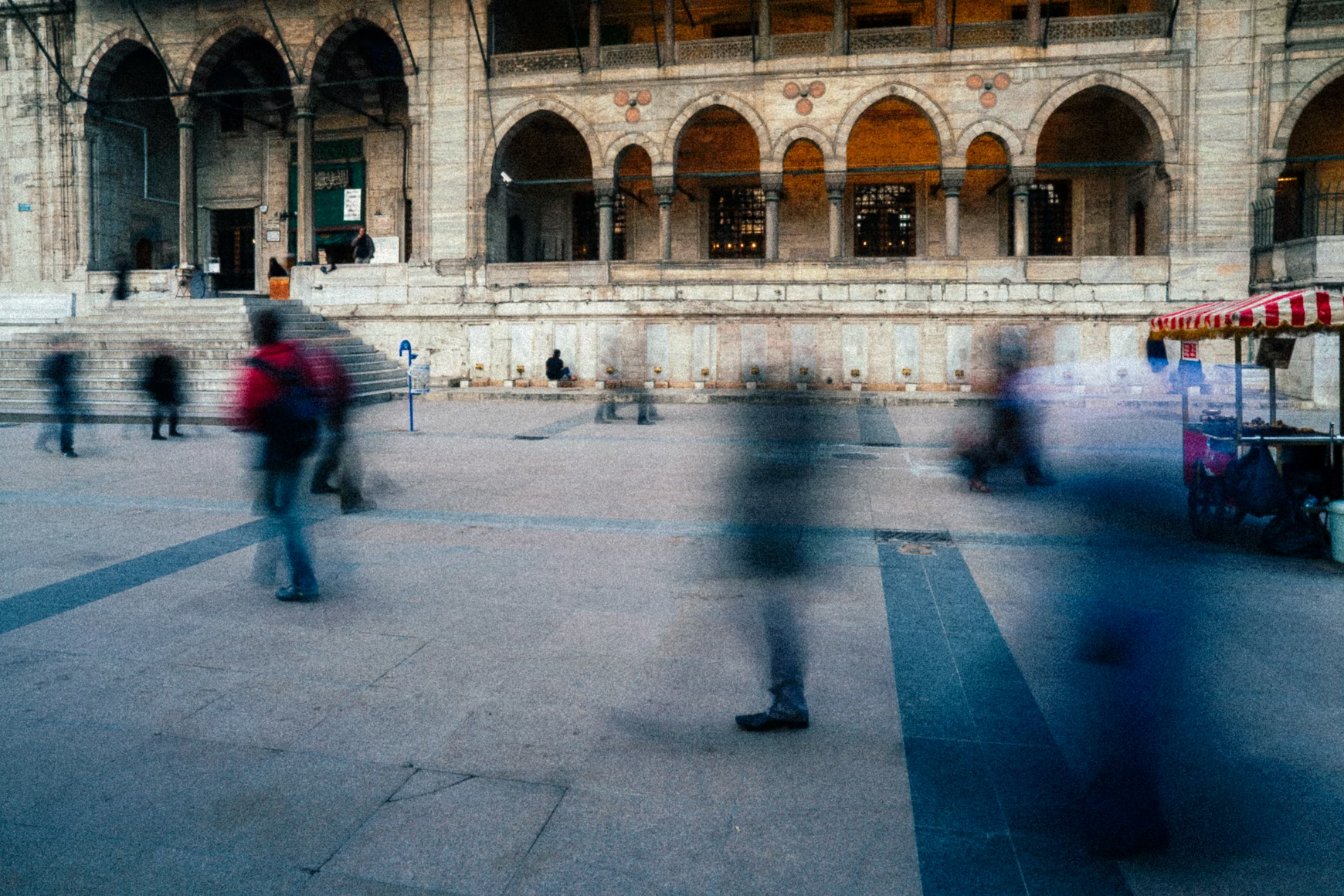
First-time visitors to Istanbul tend to repeat the same small mistakes — calling the Bosphorus a river, bargaining in fixed-price shops, booking bike tours on hills built for goats. Below are the most common ones, what to do instead, and why the swap matters.
Most common tourist mistakes in Istanbul at a glance
The table pairs each frequent mistake with a practical fix, so travelers can scan before diving into details.
| Mistake | Better alternative |
| Calling the Bosphorus a river | Call the Bosphorus a strait (Black Sea ↔ Marmara) |
| Hop-on Hop-off bus at 5pm | Ride the bus before 10am or after 8pm |
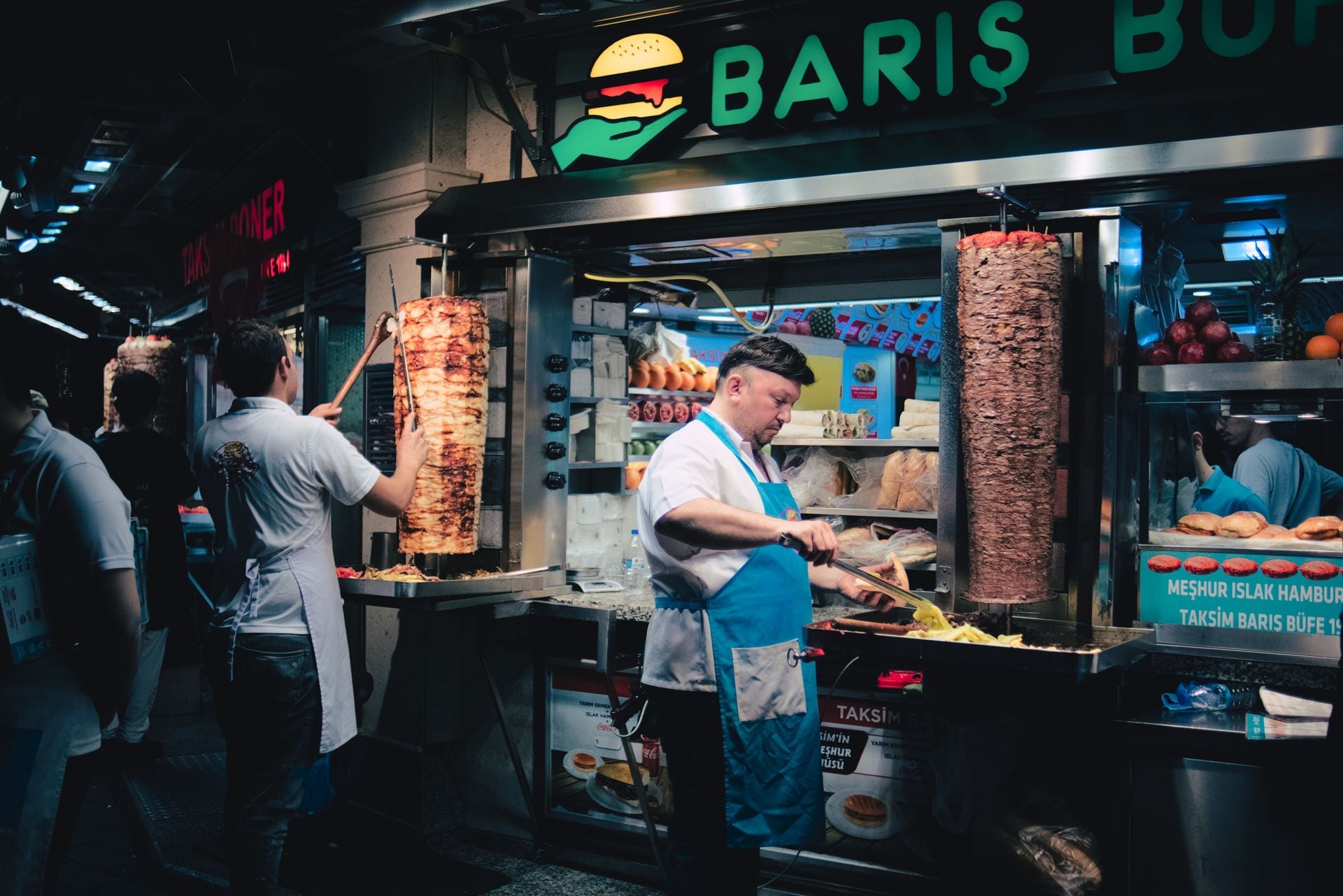
| Eating on İstiklal or Sultanahmet main drags | Walk 3–5 streets into Karaköy, Kadıköy, or Balat |
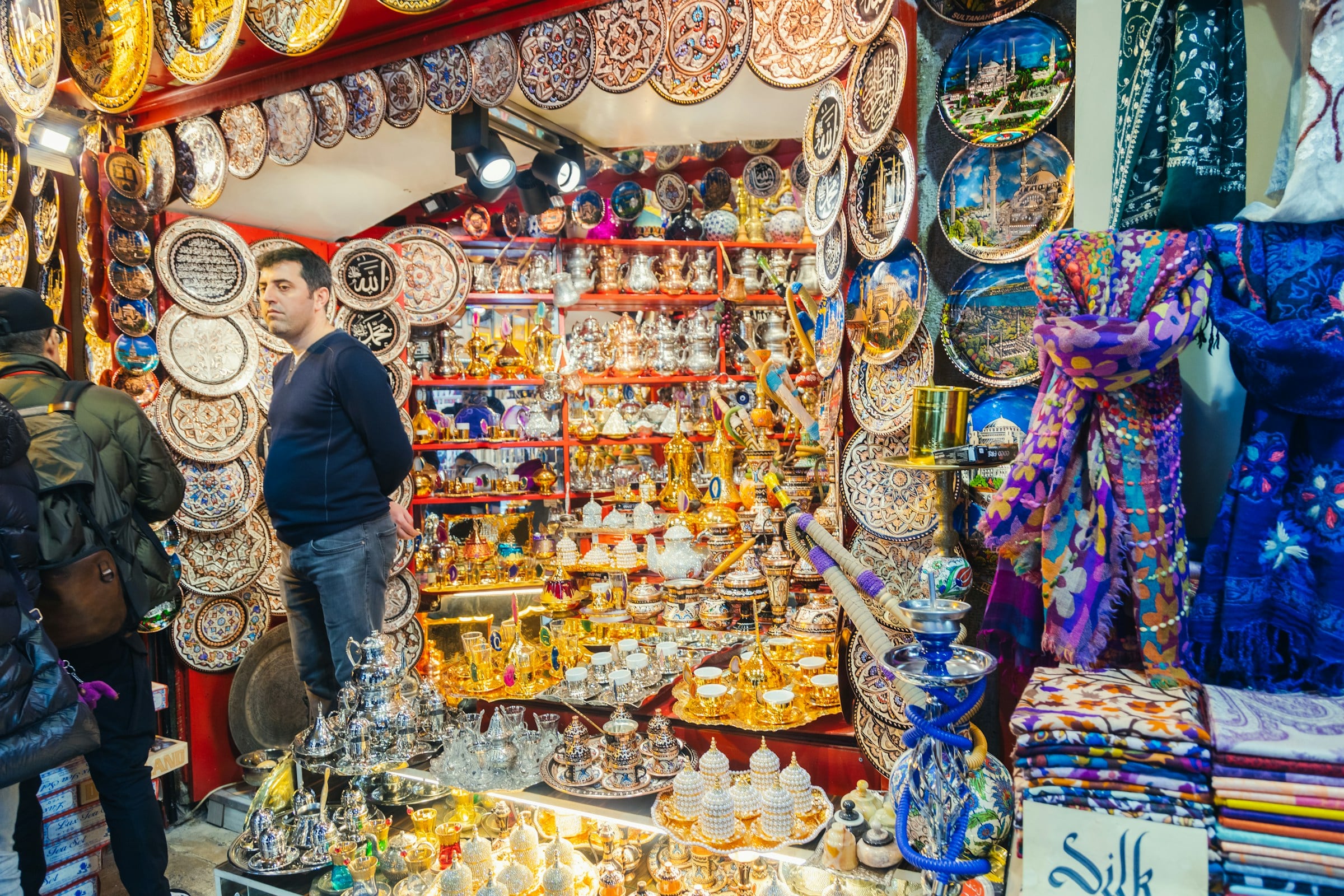
| Bargaining in a café or modern shop | Bargain only at the Grand Bazaar, Arasta, souvenir stalls |
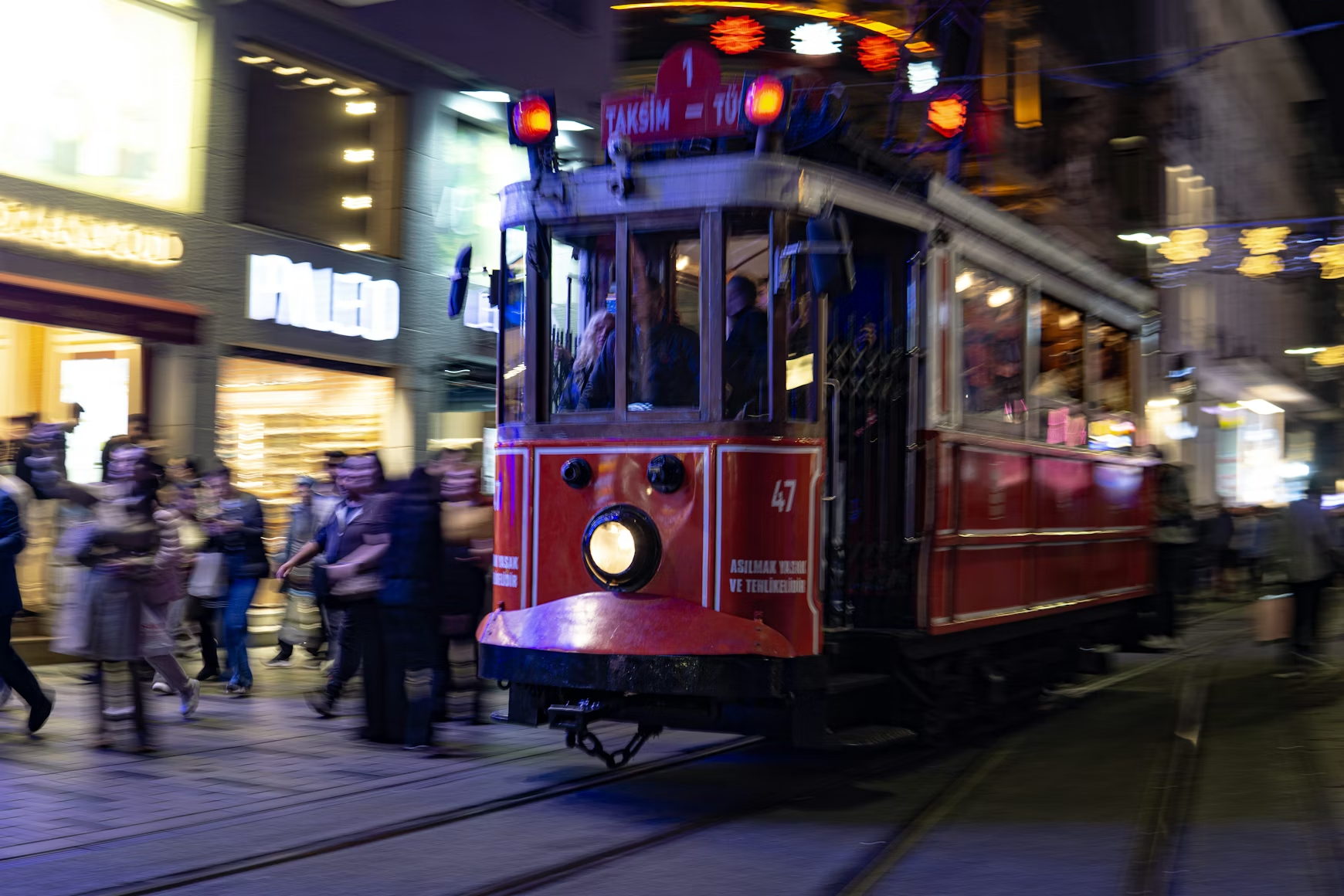
| Bike tours across the old city | Walking tours plus tram T1 |
| Visiting in July–August | Visit April–May or September–October |
| Entering a mosque with shoes on | Remove shoes, use the plastic bag provided |
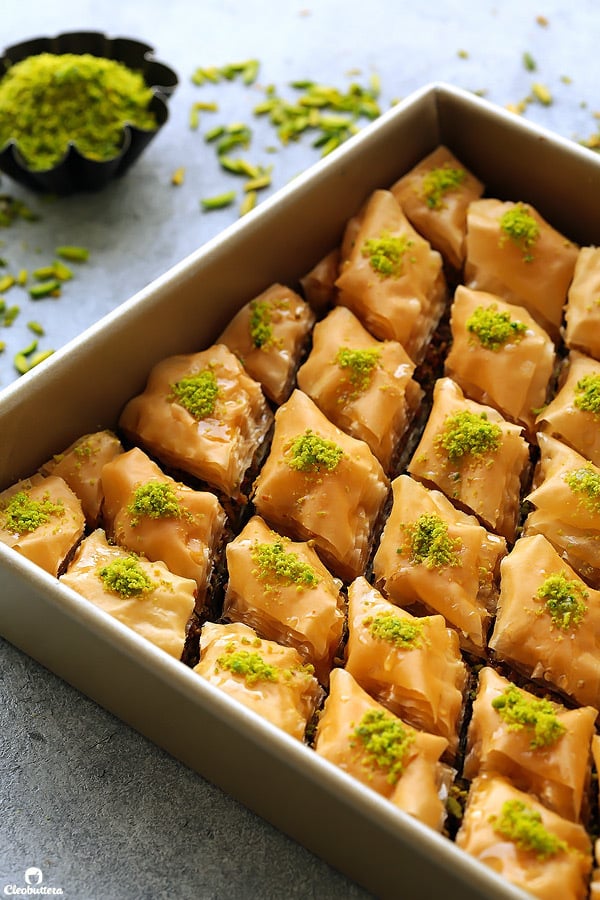
| Buying Turkish delight from airport chains | Buy from Hafız Mustafa, Altan Şekerleme, or Koska |
Do you need to speak Turkish in Istanbul?
No, but knowing five phrases smooths nearly every interaction. English is common in tourist zones; Turkish is rare outside them. Locals respond warmly to even clumsy attempts at greetings, so the effort pays back quickly in service and prices.
| Turkish | Meaning |
| Merhaba | Hello |
| Teşekkür ederim | Thank you |
| Lütfen | Please |
| Affedersiniz | Excuse me |
| Ne kadar? | How much? |
When should you avoid the Hop-on Hop-off bus?
Avoid the Hop-on Hop-off bus between 8–10am and 4–8pm on weekdays. Istanbul traffic routinely turns a 90-minute loop into a three-hour crawl during rush hour. Ride early morning or after dinner, or swap the bus for tram T1 along the same old-city corridor.
Is Istanbul good for large groups?
Istanbul rewards groups of 2–4 and punishes groups of 8+. Narrow lanes in Balat, packed ferries, and crowded bazaars make large-group coordination slow and expensive. Split into smaller pods with a shared meeting point — a ferry terminal or tram stop — and regroup for dinner.
When is the best time to visit Istanbul?
April–May and September–October offer the best mix of mild weather, manageable crowds, and lower hotel rates. June–August brings heat above 30°C and peak prices; January–February is cheap but often cold and wet.
| Season | Weather | Crowds | Price |
| Apr–May | 15–22°C, mild | Moderate | Mid |
| Jun–Aug | 28–33°C, humid | Peak | High |
| Sep–Oct | 18–25°C, dry | Moderate | Mid |
| Nov–Mar | 5–12°C, wet | Low | Low |
Where should you eat instead of chain restaurants?
Skip international chains on İstiklal and Sultanahmet Square. A five-minute walk into Karaköy, Kadıköy, Balat, or Beyoğlu side streets lands you at family-run kebab houses, meyhanes, and bakeries charging half the price for better food.
How do you pronounce common Turkish food names?
Turkish is phonetic — each letter is pronounced. Getting the sounds right helps waiters understand orders and signals respect.
| Word | Pronunciation |
| Kebab | keh-BAHB |
| Baklava | bahk-lah-VAH |
| Köfte | KUFF-teh |
| Simit | SEE-meet |
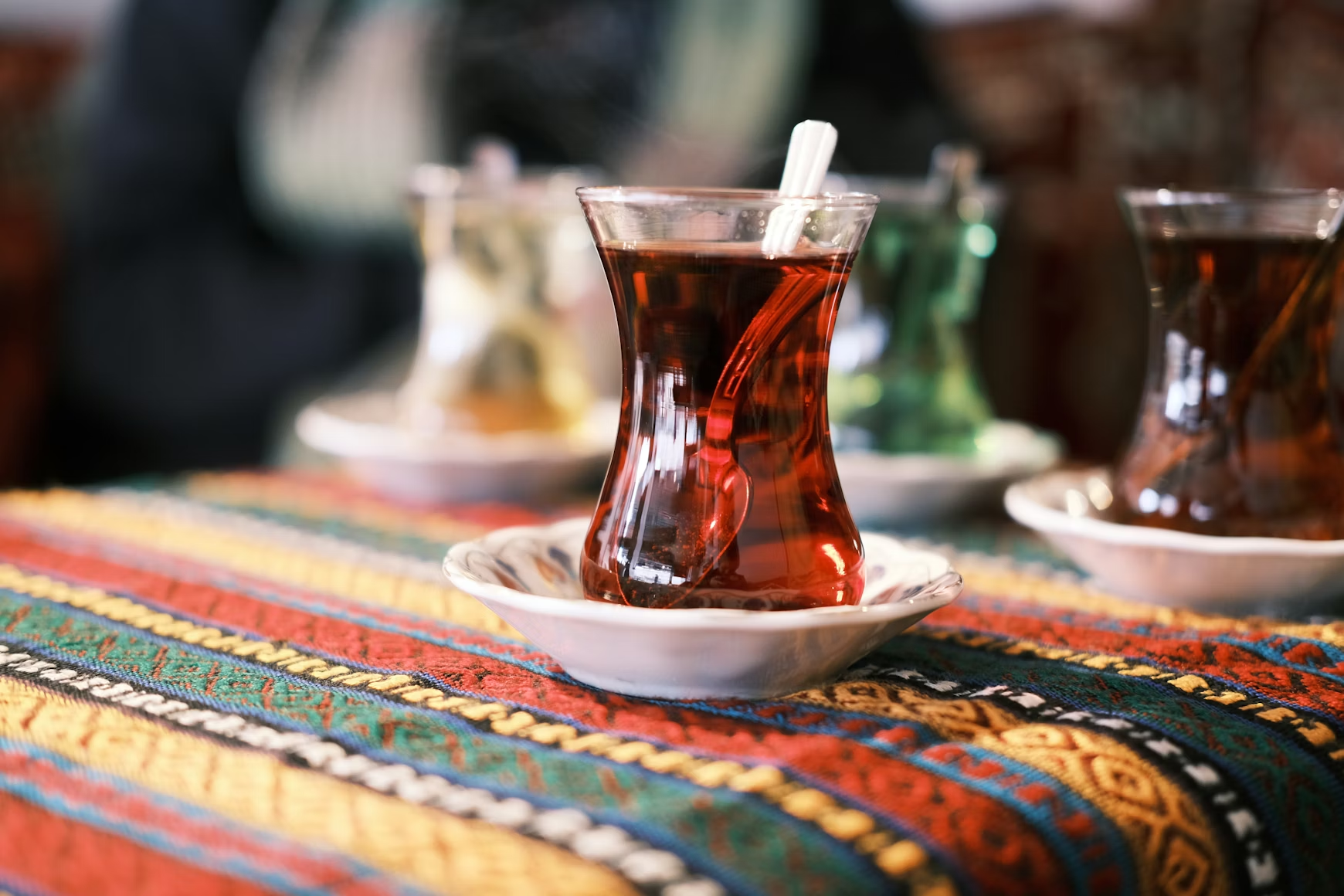
| Çay | CHAI |
| Lahmacun | LAH-ma-joon |
Do you have to remove your shoes in Istanbul mosques?
Yes, shoe removal is required in every working mosque, including Hagia Sophia, the Blue Mosque, and Süleymaniye. Plastic bags sit in bins at the entrance; carry shoes inside rather than leaving pairs at the door. Women also need a head covering, available free at larger mosques.
Why should you keep your voice down on Istanbul public transport?
Istanbul trams, metros, and ferries stay notably quiet — commuters read, scroll, or doze. Loud conversations, especially in English or with speakerphone calls, stand out immediately and draw stares. Keep volume low, take calls off the carriage, and use headphones.
Are bicycle tours a good idea in Istanbul?
Bicycle tours inside the historic peninsula and Beyoğlu are a poor idea. Steep gradients, cobbles, tram tracks, and aggressive traffic make central Istanbul one of Europe's worst cycling cities. For dedicated bike routes, head to the flat Bosphorus waterfront from Bebek to Emirgan or the Princes' Islands instead — see our Istanbul Bike guide for station-based rentals.
Where should you buy Turkish delight and baklava?
Buy from traditional confectioners, not airport chains or Grand Bazaar tourist stalls. Hafız Mustafa (since 1864), Altan Şekerleme (since 1865), and Koska use traditional recipes and turn stock over daily. Chain-store boxes often sit for weeks and cost more.
When is bargaining appropriate in Istanbul?
Bargaining belongs at the Grand Bazaar, Arasta Bazaar, Spice Bazaar souvenir stalls, and carpet shops — nowhere else. Restaurants, cafés, supermarkets, pharmacies, and modern retail all run on fixed prices. Aggressive haggling in a restaurant is rude; polite haggling in the Grand Bazaar is expected, usually landing 20–40% below the opening price.
Is the Bosphorus a river?
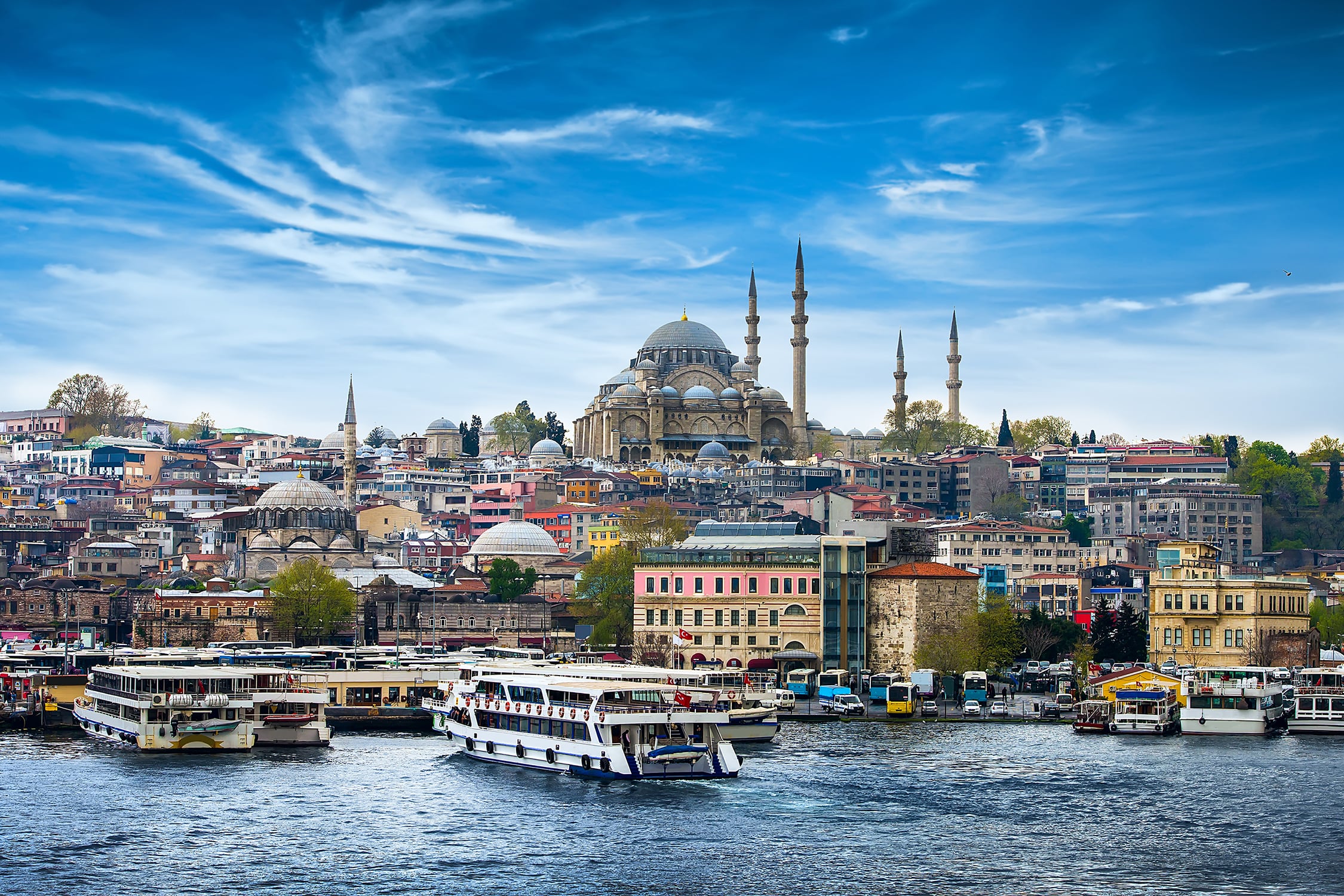
No, the Bosphorus is a 31 km strait, not a river. The waterway connects the Black Sea to the Sea of Marmara and separates the European and Asian sides of Istanbul. Currents run in two directions at different depths, which is why locals, ferry captains, and fishermen all call it a strait (boğaz).
Avoid these and the trip runs a lot smoother. For planning specifics, see our guides on getting around Istanbul and experiences by duration.