
Essential Travel Tips for Your Trip to Istanbul
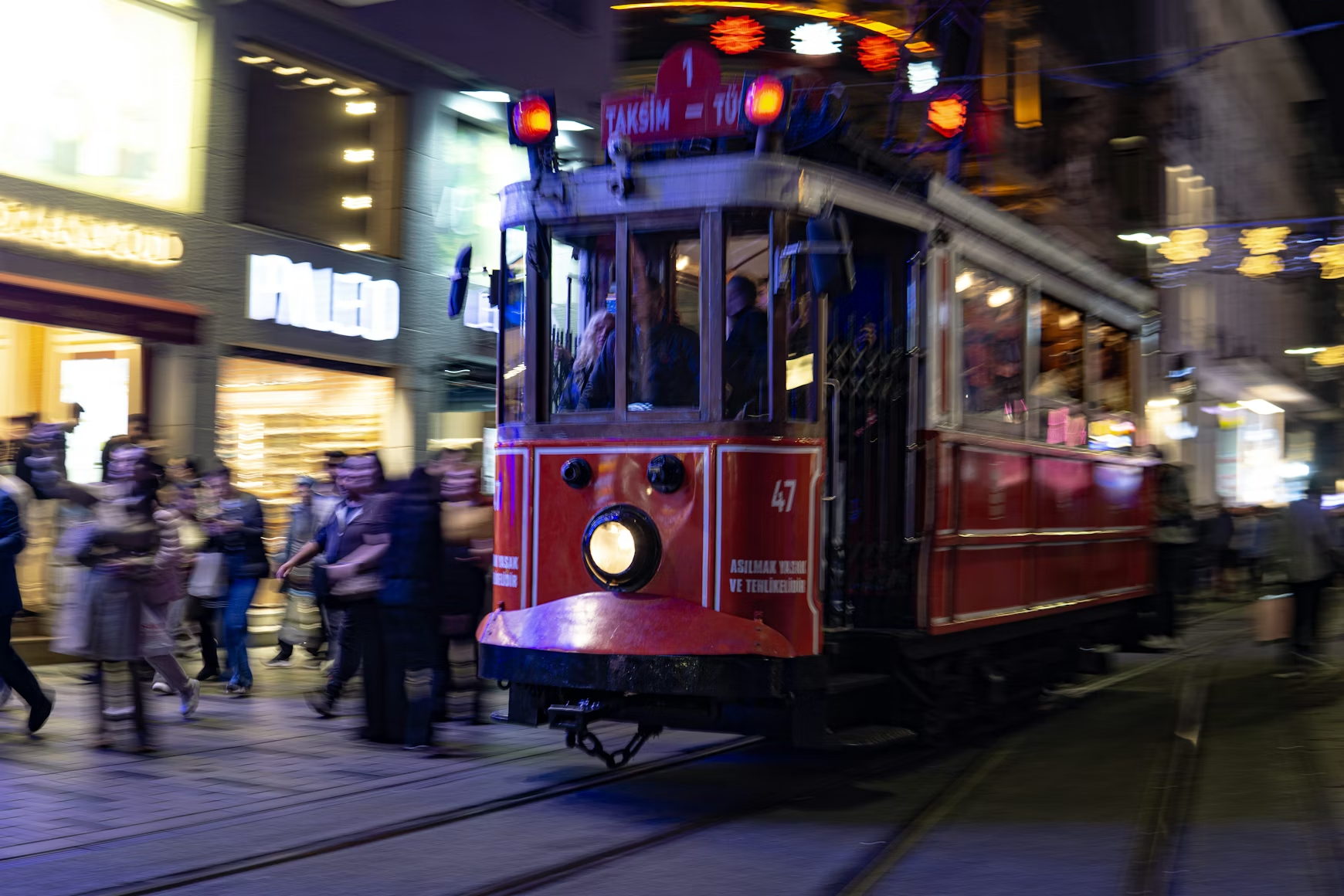
What are the most important Istanbul travel tips?
First-time visitors should buy an Istanbulkart on arrival, skip street taxis in favor of Uber or public transit, dress modestly for mosques, and explore neighborhoods beyond Sultanahmet. Istanbul rewards travelers who plan around traffic, carry small cash for bazaars, and respect local customs around cats, cafés, and shared seating.
Transport tips at a glance
| Situation | Best option | Avoid |
| Airport to city | Metro (M11) or HAVAIST bus | Street taxis (fare scams) |
| Short cross-city trips | Tram, metro, ferry with Istanbulkart | Buses in peak hours |
| Late night or with luggage | Uber (metered fare) | Hailing taxis roadside |
| Bosphorus crossing | Public ferry | Private boat tours for transit |
Why avoid taxis in Istanbul?
Street taxis are the single biggest source of tourist complaints in Istanbul — fare tampering, "broken" meters, and short-changing are common. Public transit (trams, metros, ferries, buses) covers almost every tourist area and runs frequently. Buy an Istanbulkart at any metro station and tap on for every ride.
Avoid taxis and buses during peak hours (08:00–10:00, 17:00–19:30) due to heavy traffic.
Should you use Uber for taxis in Istanbul?
Yes. Uber in Istanbul dispatches licensed yellow taxis but locks in the meter and route through the app, which eliminates the most common scams. Uber is safer and more reliable than hailing a taxi on the street, especially at night or from tourist districts.
Is the Grand Bazaar worth it, and how should you haggle?
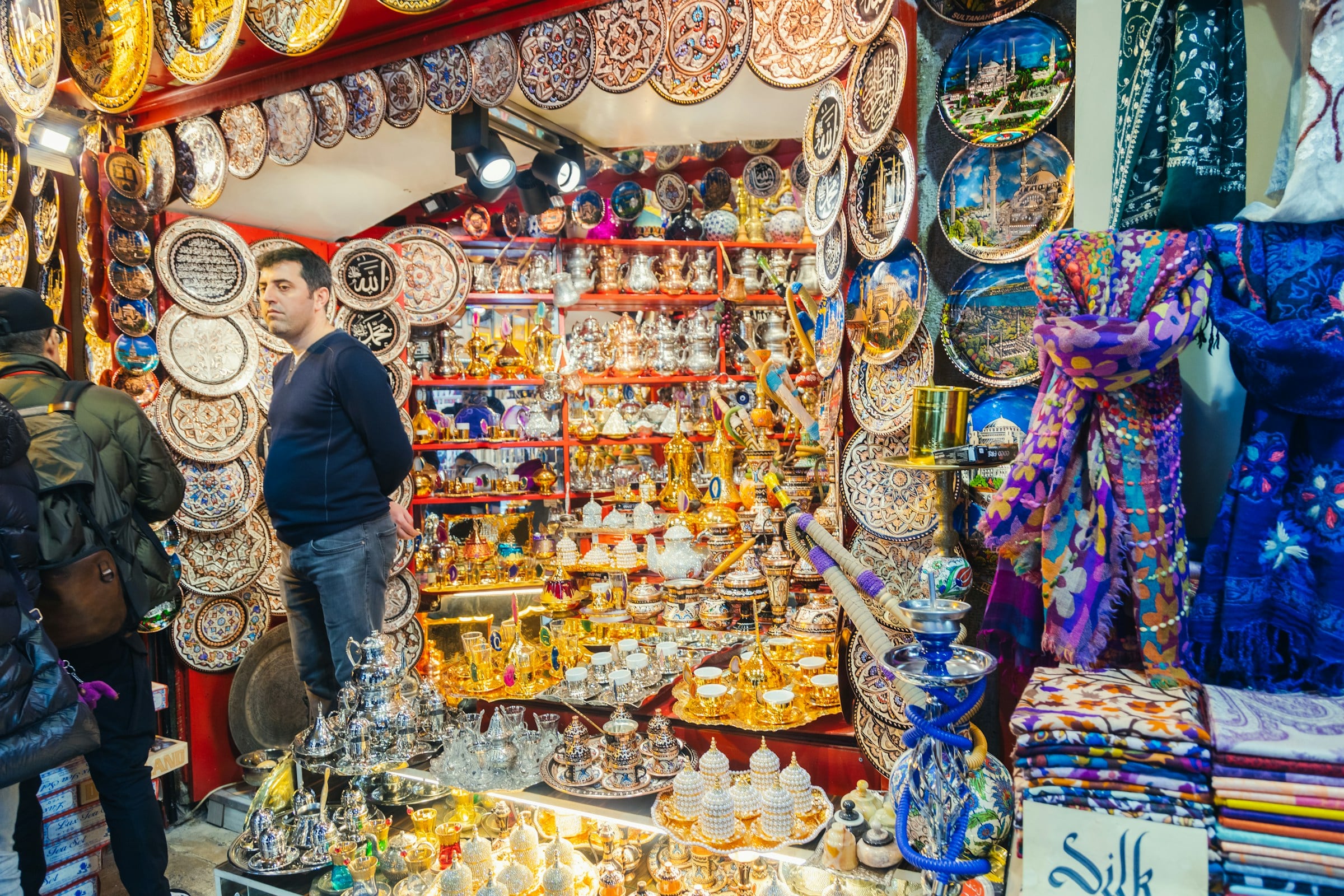
The Grand Bazaar is worth one visit for its architecture and scale, but prices run 2–3x higher than shops in Karaköy or Kadıköy. Haggling is expected — counter at roughly 50% of the asking price and settle around 60–70%. Excessive bargaining below that range can be frowned upon.
Where should you go beyond Sultanahmet and Taksim?
Venture beyond Sultanahmet and Taksim for better prices and a more local feel. Balat, Fener, and Cihangir are each worth a half-day.
| Neighborhood | Vibe | Half-day for |
| Balat | Colorful houses, antique shops | Photography, brunch |
| Fener | Greek Orthodox heritage, quiet streets | History, slow walking |
| Cihangir | Bohemian, café-heavy | Coffee, people-watching |
| Kadıköy (Asian side) | Market, street food, bars | Evening out |
What Turkish foods should you try beyond kebabs?
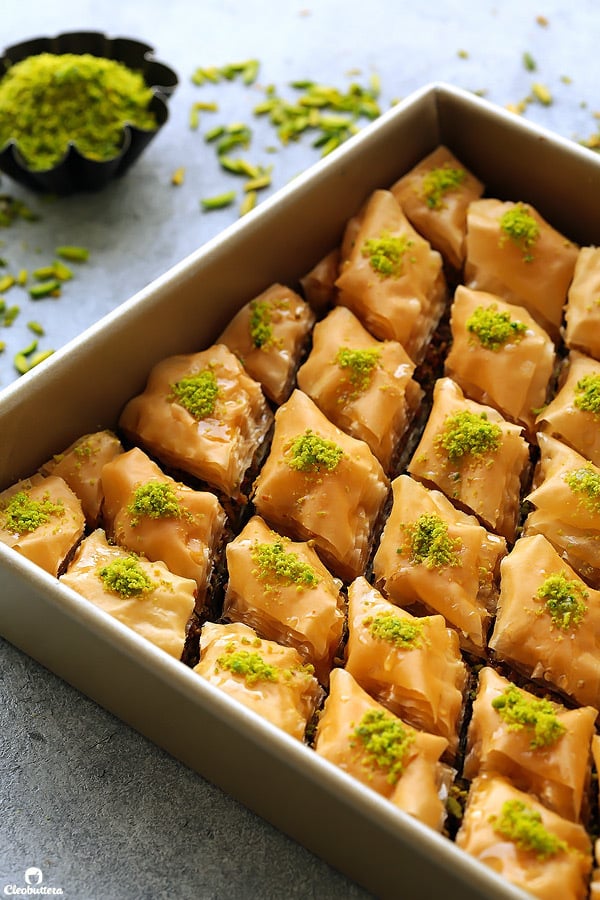
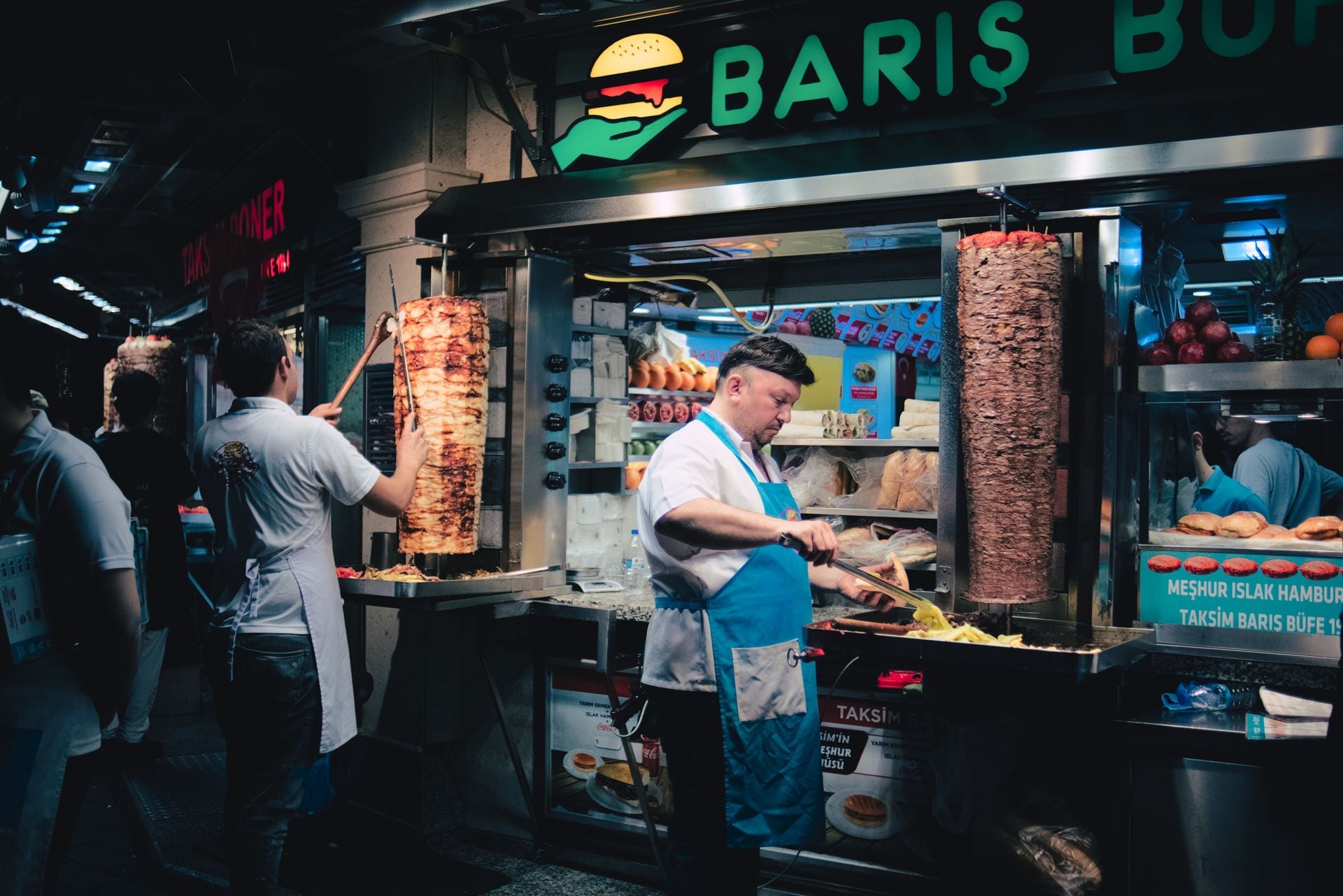
Turkish cuisine covers far more than kebabs and baklava. Turkish cuisine is diverse and includes a variety of dishes, from vegetarian options to seafood. Look for midye dolma (stuffed mussels), kumpir (loaded baked potato), balık ekmek (fish sandwich), menemen (breakfast eggs), and lahmacun. Explore street food beyond the well-known dishes.
Cultural etiquette
Confirm before sitting down
In Istanbul cafés and tea gardens, locals often step out for a smoke and leave a jacket, bag, or lighter on the chair to claim the seat. Confirm with nearby staff or patrons before sitting down.
Embrace the Turkish pace of life
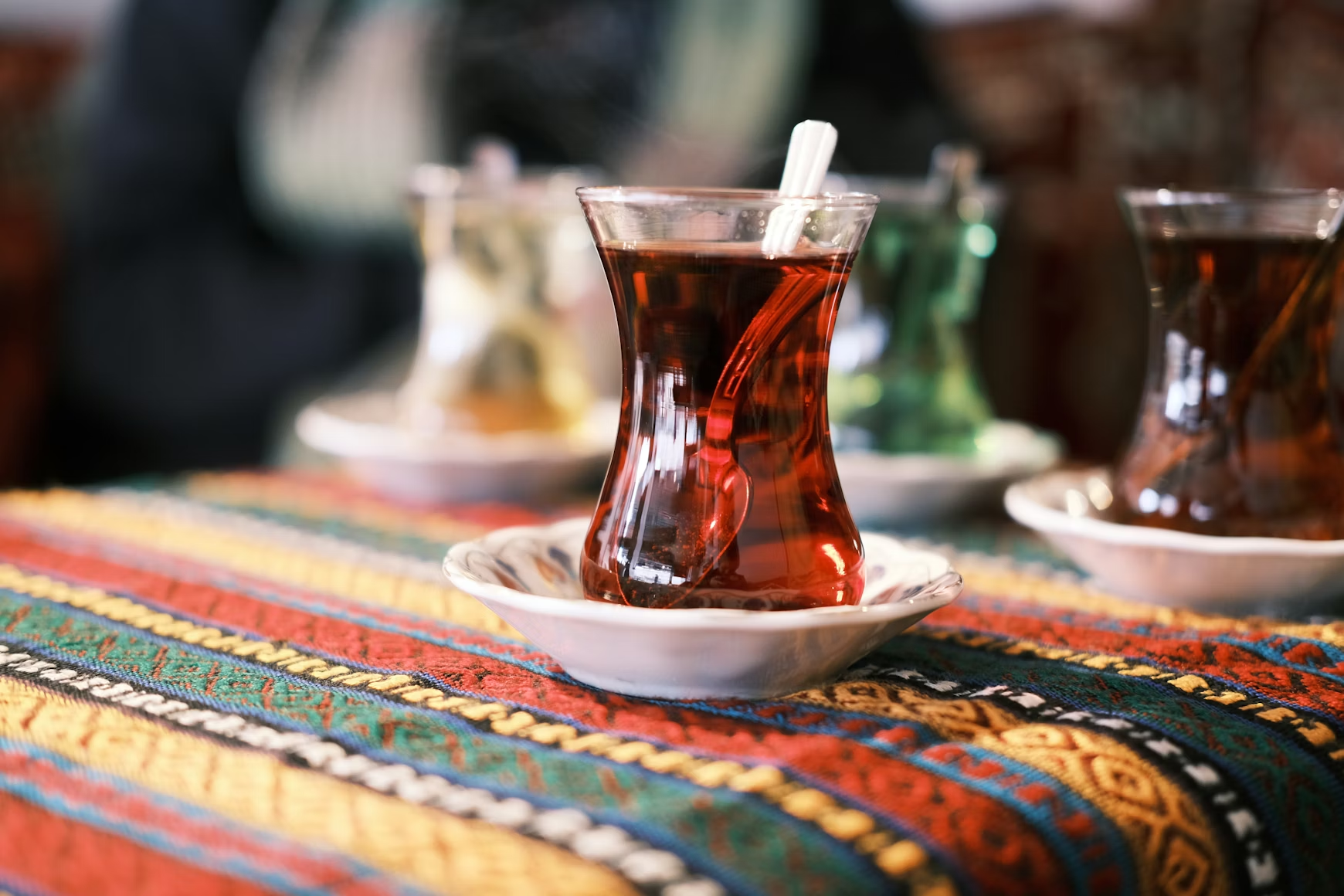
Turkish café culture rewards slowness — tea, coffee, and conversation can stretch for hours without pressure to leave. Take your time, order a second çay, and enjoy the laid-back atmosphere.
Show love to Istanbul cats
Istanbul's street cats are considered part of the community and are fed and cared for by locals and shopkeepers. Petting, feeding, and photographing the cats is welcomed.
Remove shoes before entering mosques
Every mosque requires visitors to remove shoes and dress modestly. Women should carry a lightweight headscarf to cover the head; avoid shorts or sleeveless tops regardless of gender. Free plastic bags for shoes are available at the entrance.
Safety and scams
Secure your belongings
Pickpocketing happens in Eminönü, Istiklal Street, and packed trams (especially the T1). Use a zipped crossbody bag, keep phones out of back pockets, and consider a backpack lock.
Do not leave belongings unattended
Unlike the café-seat convention above, unattended bags in transit stations, restaurants, or viewpoints are fair game for theft. Never leave bags or purses unattended in public, even for a moment.
Be aware of common scams
The most frequent Istanbul scams are the shoeshine "dropped brush" trick, the friendly "let me show you a bar" setup near Taksim, and inflated taxi fares from the airport. Research common scams before arrival and avoid accepting unsolicited help.
Practical logistics
What plug and voltage does Turkey use?
Turkey uses Type F plugs (two round pins) and 230 V / 50 Hz. Bring a Type F adapter; most modern laptop and phone chargers handle 230 V automatically. Hair styling tools rated only for 110 V require a voltage converter or will burn out.
Do you need a VPN in Istanbul?
A VPN is useful but not essential. Turkey periodically restricts access to sites like Wikipedia (historically), Twitter/X, and some VPN providers themselves. Install a reputable VPN before arrival if online banking or blocked services matter to the trip; public Wi-Fi in hotels and cafés is otherwise fine for general browsing.
Final thoughts
These tips cover the basics. The rest travelers figure out as they go — Istanbul is a city that rewards curiosity.