
Turkish Tea: The Essential Guide for Istanbul Visitors
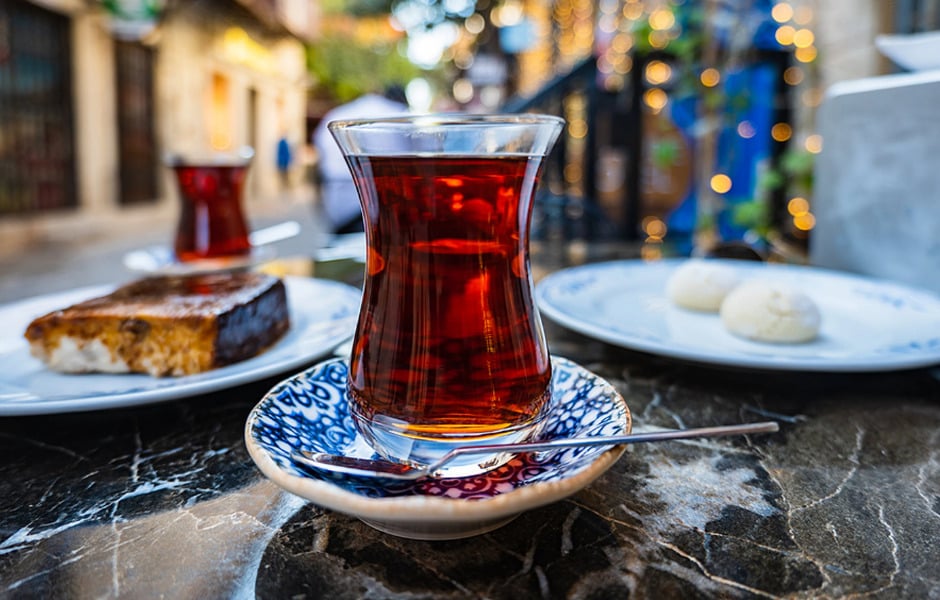
Turkish tea — çay — is not just a drink. It is the rhythm of daily life in Istanbul. Brewed strong from black tea leaves and served in small tulip-shaped glasses, çay is offered at every shop, office, barbershop, and home you will enter. Refusing a glass is almost unthinkable; accepting one is the fastest way to connect with the people around you.
The Story Behind Turkish Tea
Although Turkey is now one of the world's largest tea consumers, tea arrived relatively late to Turkish culture. Coffee dominated for centuries until the early 20th century, when the collapse of the Ottoman Empire made imported coffee beans expensive and hard to source. Mustafa Kemal Atatürk, founder of the Turkish Republic, encouraged tea cultivation in the eastern Black Sea region around Rize, where the misty, mountainous terrain proved ideal for growing Camellia sinensis.
By the 1950s, tea production had taken off and çay began to replace coffee as the everyday drink of choice. Today, Turkey leads the world in per-capita tea consumption — Turks drink an average of over 3 kilograms of tea per person per year, far outpacing even the British. The drink is so central to Turkish identity that the tulip-shaped glass has become an unofficial national symbol.
Tea is brewed using a çaydanlık, a double-stacked kettle. Water boils in the large bottom pot while loose tea leaves steep in the smaller top pot, producing a dark, concentrated brew. When serving, the host pours a measure of this concentrate into a glass, then dilutes it with hot water — açık (light) or koyu (dark) according to the drinker's preference.
Why You Must Try It in Istanbul
Istanbul runs on çay. From the fishermen's stalls in Karaköy to the carpet shops of the Grand Bazaar, tea is the social glue that holds the city together. Street vendors weave through traffic carrying trays of clinking glasses. Shopkeepers press a fresh glass into your hand the moment you step inside. Along the Bosphorus, waterfront tea gardens offer tulip glasses against a backdrop of passing ferries and minarets.
The experience of drinking çay in Istanbul is inseparable from the setting. A glass of tea at a rooftop café overlooking the Golden Horn at sunset, or on a wooden bench in a centuries-old courtyard, is one of the simplest and most memorable things you can do in this city.
Ingredients & Preparation
- Turkish black tea 🍃 — loose-leaf, finely cut, typically from the Rize region
- Water 💧
- Sugar 🍬 — optional, served on the side in cubes
Brew using a çaydanlık: boil water in the lower pot, add loose tea to the upper pot, pour boiling water over the leaves, and let steep for 10–15 minutes over low heat. To serve, pour concentrate into a tulip glass and dilute with hot water to taste.
Best Places to Try Turkish Tea in Istanbul
| Spot | Neighborhood | Known For |
| Pierre Loti Café | Eyüp | Panoramic Golden Horn views from a hilltop terrace |
| Çınaraltı Çay Bahçesi | Çengelköy | Historic Bosphorus-side tea garden under plane trees |
| Çay Taksim | Beyoğlu | Traditional tea house in the heart of Taksim |
| Kuzguncuk Çay Bahçesi | Kuzguncuk | Charming neighborhood garden on the Asian side |
| Moda Sahil | Kadıköy | Waterfront tea spots with Princes' Islands views |
| İstanbul Modern Café | Beyoğlu | Contemporary setting with Bosphorus backdrop |
Insider Tips: Eat Like a Local 🧳
- Never add milk. Turkish tea is always served black. Adding milk will draw puzzled looks.
- Hold the glass by the rim. The tulip glass gets hot — grip it at the top edge between thumb and forefinger.
- Say açık or koyu. When ordering, specify light (açık) or strong (koyu) to control how much concentrate goes in your glass.
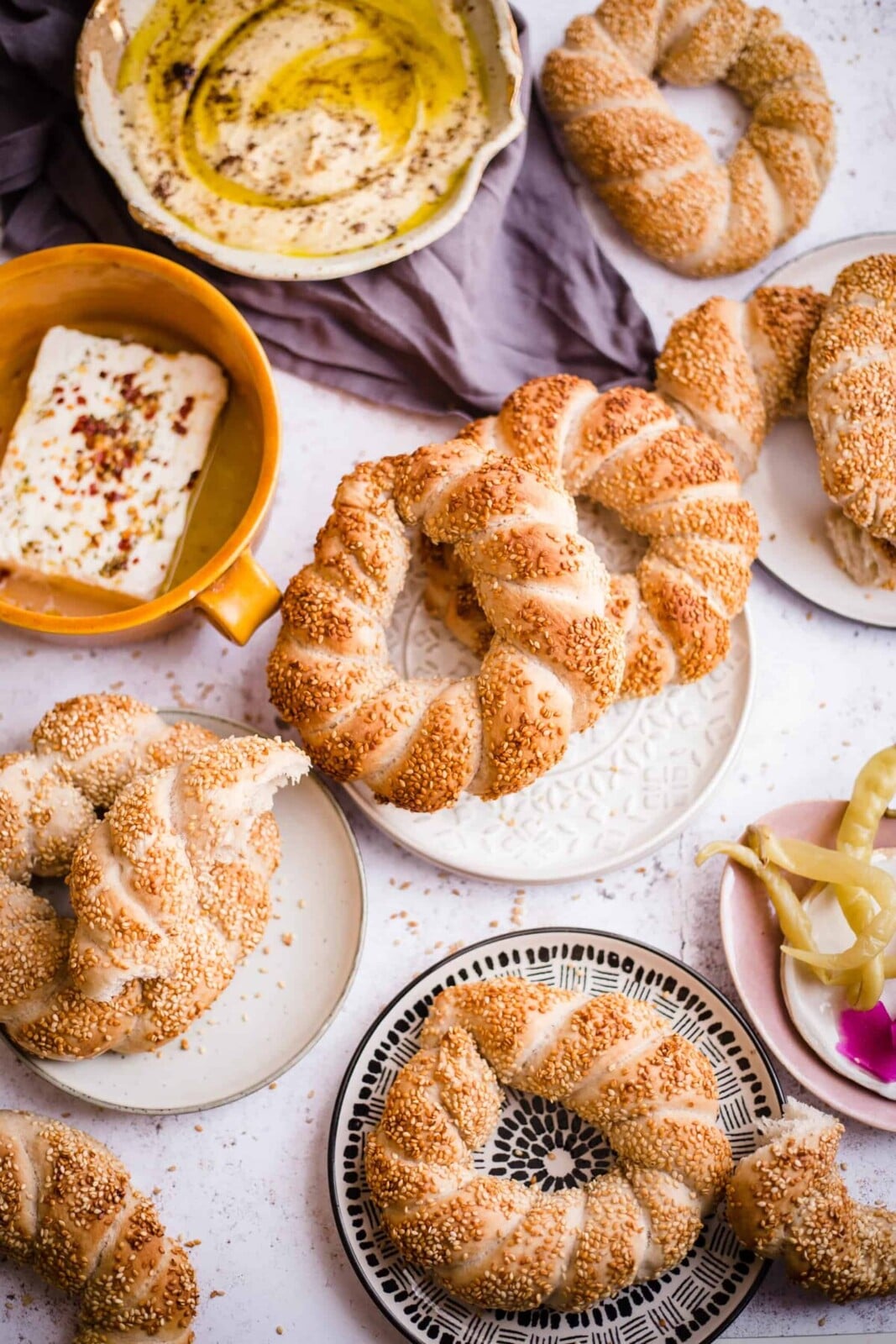
- Pair it with breakfast. A Turkish breakfast spread (kahvaltı) without çay is incomplete. Simit, cheese, olives, and endless glasses of tea is how Istanbul starts the day.
- Accept the offer. If someone offers you tea — in a shop, at a meeting, at a stranger's home — say yes. It is a gesture of hospitality, and sharing a glass is how friendships begin in Turkey.