
Dolma: The Essential Guide for Istanbul Visitors
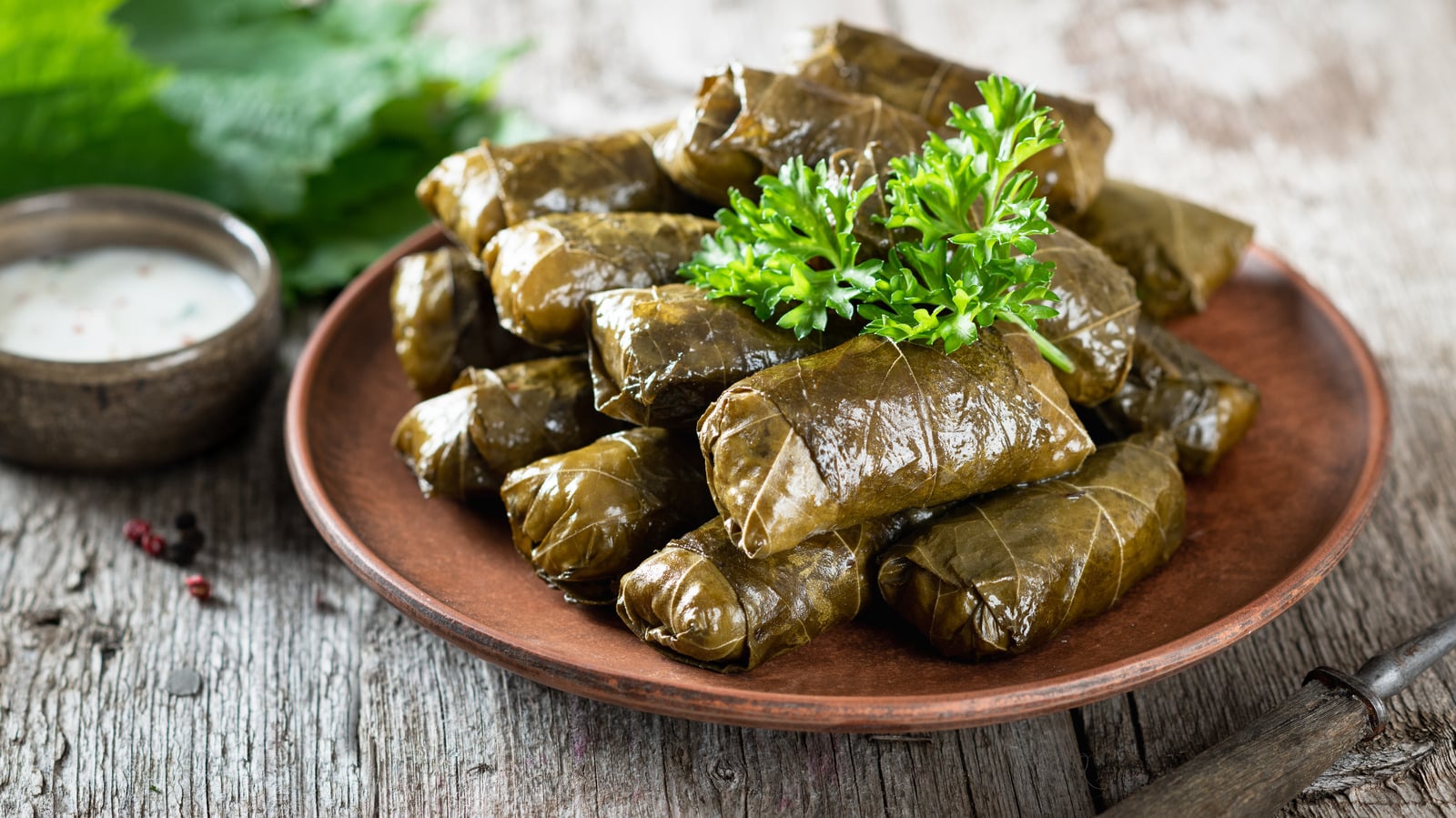
Quick Snapshot
- Category
- Appetizer / Mezze
- Price Range
- $ (Budget)
Dolma is one of the most iconic dishes in Turkish cuisine, a dish refined over centuries in Ottoman kitchens. The word itself means "stuffed" in Turkish, and you will find it on virtually every mezze table in Istanbul — from humble neighborhood lokantas to grand meyhane taverns along the Bosphorus.
The Story Behind Dolma
Dolma holds a place of honor in the history of Ottoman court cuisine, where palace kitchens once prepared hundreds of varieties for sultans and their guests. Cooks competed to create the most elaborate fillings, wrapping them in everything from grape leaves and cabbage to quince and even mussels. The dish spread throughout the former Ottoman territories, but Istanbul remains the spiritual home of dolma in all its forms.
An important distinction exists in Turkish culinary vocabulary that many visitors miss: dolma refers specifically to stuffed vegetables — peppers (biber dolma), zucchini (kabak dolma), or tomatoes — while sarma refers to ingredients that are rolled or wrapped, such as grape leaves (yaprak sarma). What most people outside Turkey call "dolma" with grape leaves is technically sarma. Locals will appreciate it if you know the difference.
The preparation also splits into two traditions. Zeytinyağlı (olive oil) versions are made without meat, filled with rice, currants, pine nuts, and fresh herbs, then served cold — these are the mezze staples. Meat-filled versions, made with minced lamb or beef mixed into the rice, are served warm as a more substantial dish, often with a side of garlic yogurt.
Why You Must Try It in Istanbul
Istanbul is where dolma reaches its highest expression. The city's unique position at the crossroads of cultures means you will encounter regional variations from across Anatolia, each neighborhood lokanta offering its own family recipe. The quality of the ingredients — fresh grape leaves in spring, locally grown peppers in summer — makes a difference you can taste immediately compared to versions made elsewhere.
Ingredients & Preparation
- Wrappers/shells: Grape leaves (fresh or brined), bell peppers, zucchini, tomatoes, or cabbage leaves
- Rice filling: Short-grain rice, onion, fresh dill, parsley, and mint
- Olive oil versions (zeytinyağlı): Pine nuts, currants, allspice, cinnamon, lemon juice, generous olive oil
- Meat versions: Minced lamb or beef mixed with rice, onion, tomato paste, and spices
- Cooking: Arranged tightly in a pot, weighted down with a plate, simmered slowly until tender
- Finishing: Olive oil versions are cooled completely before serving; meat versions are served warm with yogurt
Best Places to Try Dolma in Istanbul
| Spot | Neighborhood | Known For |
| Çiya Sofrası | Kadıköy | Regional Anatolian varieties, seasonal dolma specials |
| Meze by Lemon Tree | Beyoğlu | Carefully curated mezze selection with tender zeytinyağlı dolma |
| Pera Meyhanesi | Beyoğlu | Classic meyhane atmosphere, fresh and flavorful yaprak sarma |
| Asitane | Edirnekapı | Ottoman palace cuisine recreations, historically authentic dolma recipes |
Insider Tips: Eat Like a Local 🧳
- Order the zeytinyağlı yaprak sarma as part of a cold mezze spread — this is how most locals eat it, with a squeeze of fresh lemon on top.
- At a meyhane, dolma arrives early in the meal alongside other cold starters. Pace yourself and enjoy it with rakı or a cold beer before the warm courses arrive.
- If you see kuru dolma on a menu, it means the filling is cooked without added liquid, resulting in a drier, more intensely flavored version — worth trying.
- Warm meat dolma with a generous spoonful of garlic yogurt on the side is a weeknight family meal across Istanbul — seek it out at neighborhood lokantas for a truly local experience.
- In spring, look for dolma made with fresh grape leaves rather than brined — the flavor is noticeably brighter and more delicate.
Frequently asked questions
What is dolma?
The word dolma means "stuffed" in Turkish, and it refers specifically to stuffed vegetables — peppers (biber dolma), zucchini (kabak dolma), or tomatoes — filled with herbed rice, sometimes with minced lamb or beef, then arranged tightly in a pot, weighted with a plate, and simmered slowly until tender.
What's the difference between dolma and sarma?
Dolma refers to stuffed vegetables; sarma refers to ingredients that are rolled or wrapped, such as grape leaves (yaprak sarma). What most people outside Turkey call "dolma" with grape leaves is technically sarma. Locals will appreciate it if you know the difference.
Is dolma vegetarian?
The zeytinyağlı (olive oil) versions are. They are made without meat — filled with rice, currants, pine nuts, and fresh herbs like dill, parsley, and mint, then served cold as a mezze staple. Meat-filled versions also exist and are served warm with garlic yogurt, so check before ordering.
Where can I try the best dolma in Istanbul?
Çiya Sofrası in Kadıköy rotates regional Anatolian varieties and seasonal dolma specials. Meze by Lemon Tree in Beyoğlu offers a curated mezze selection with tender zeytinyağlı dolma, Pera Meyhanesi serves classic meyhane-style yaprak sarma, and Asitane in Edirnekapı recreates historically authentic Ottoman palace dolma recipes.
When are fresh grape leaves available?
Spring. Look for dolma made with fresh grape leaves rather than brined during this season — the flavor is noticeably brighter and more delicate. Outside spring, brined leaves are the standard.
What is kuru dolma?
Kuru dolma is a variant where the filling is cooked without added liquid, resulting in a drier, more intensely flavored version. If you see it on a menu, it's worth trying as a contrast to the standard simmered preparation.