
Lahmacun: The Essential Guide for Istanbul Visitors
Quick Snapshot
- Category
- Pastry
- Best Paired With
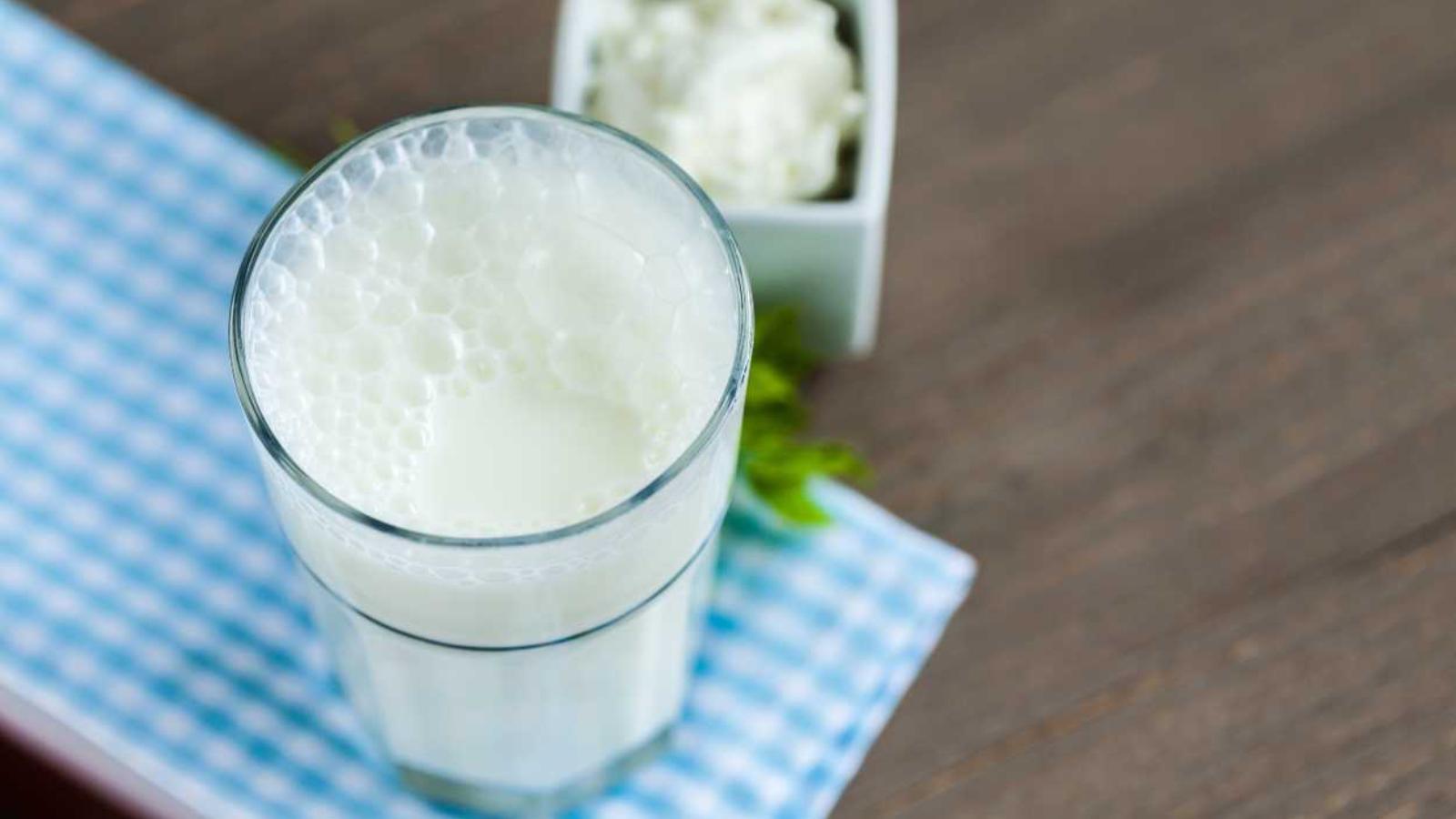
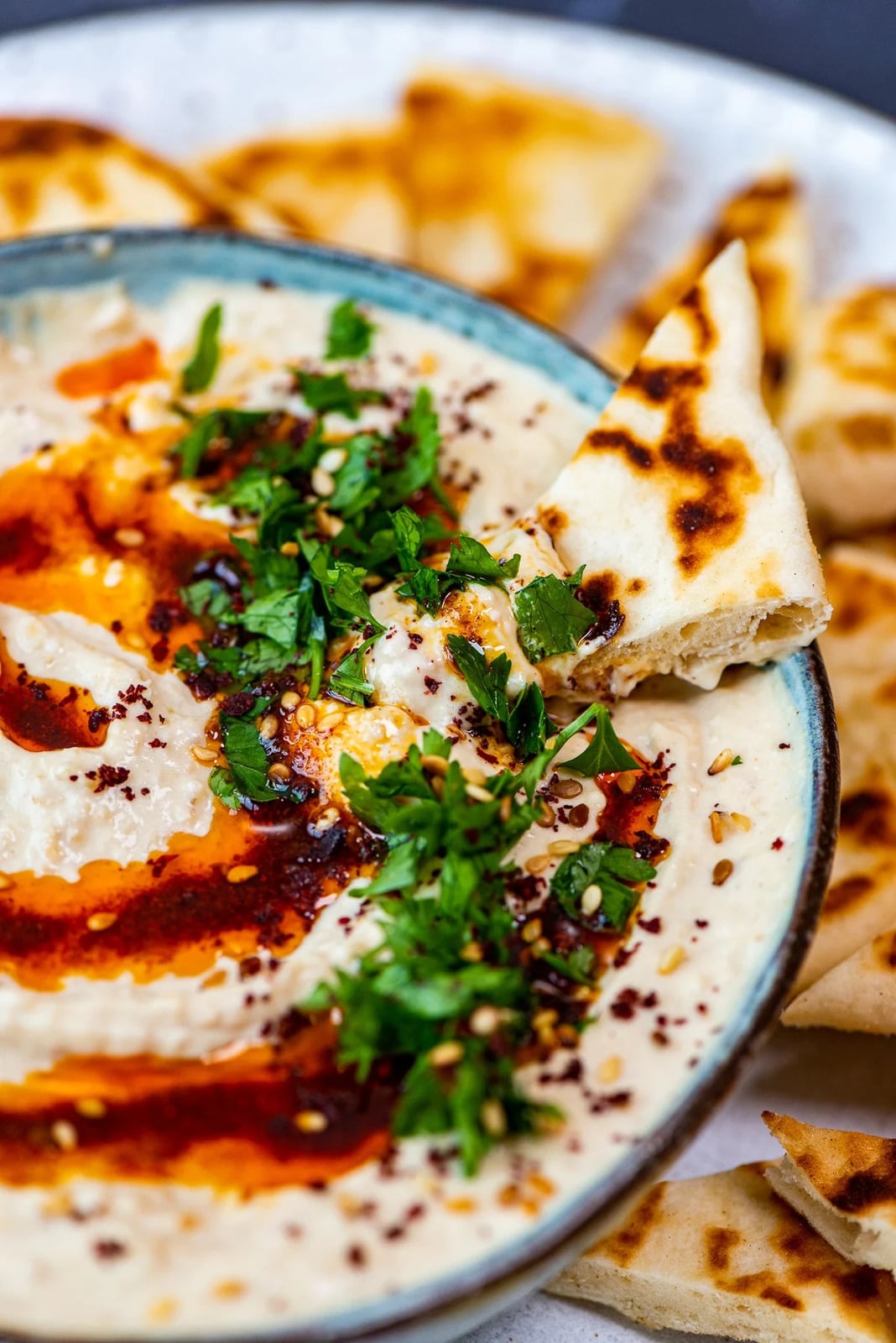
- Ayran, Adana Kebab, Çiğ Köfte, Humus
- Price Range
- $ (Budget)
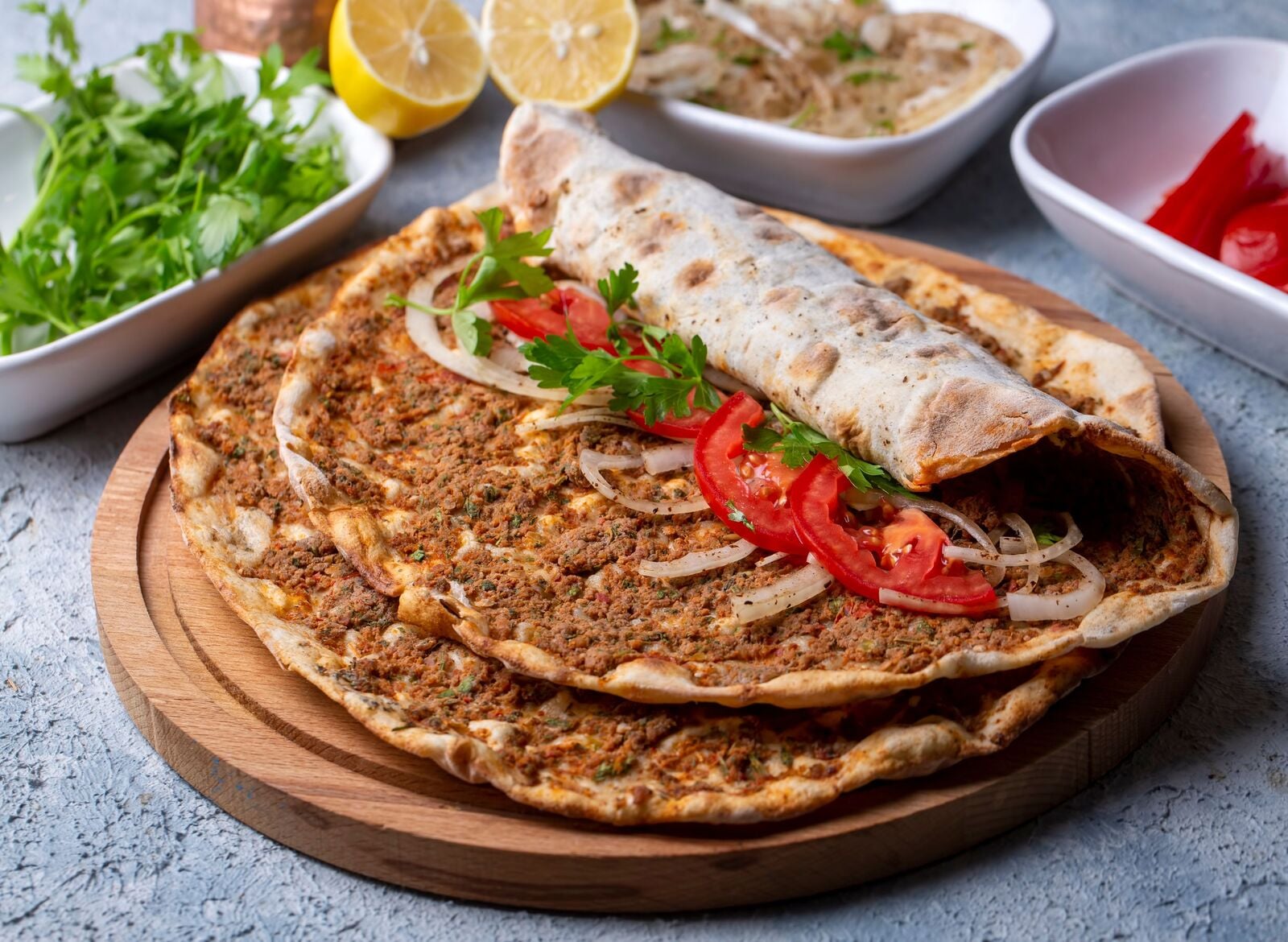
Lahmacun is one of Turkey's most beloved street foods — a paper-thin round of dough spread with a bright mixture of spiced minced meat, tomatoes, peppers, and onions, then flash-baked in a scorching wood-fired oven. Rolled up with a fistful of fresh parsley and a generous squeeze of lemon, it is fast, satisfying, and impossibly delicious.
The Story Behind Lahmacun
The name lahmacun comes from the Arabic lahm bi-ajin, meaning "meat with dough," pointing to the dish's origins in the kitchens of southeastern Turkey and the broader Mesopotamian region. The cities of Gaziantep and Sanliurfa claim it as their own, and centuries of refinement in these spice-rich culinary capitals produced the version Turkey knows today — bold, aromatic, and perfectly balanced between heat and tang.
When waves of migration brought southeastern families to Istanbul in the twentieth century, they brought their lahmacun ovens with them. Small, family-run shops opened across the city, each fiercely loyal to their hometown recipe. The result is that Istanbul now offers an extraordinary range of lahmacun styles, from the fiery Antep version loaded with chili to the herb-forward Urfa approach.
It is important to note that calling lahmacun "Turkish pizza" misses the point entirely. Pizza is thick, saucy, and meant to be sliced. Lahmacun is wafer-thin, cracker-crisp, and designed to be rolled and eaten by hand in a few glorious bites. The two share almost nothing beyond a round shape.
Why You Must Try It in Istanbul
Istanbul is the meeting point of every regional lahmacun tradition in Turkey. A single street in Kadikoy or Fatih might have three shops, each baking a subtly different version — spicier here, more herbaceous there, a touch of pomegranate molasses at another. The wood-fired ovens that line these neighborhoods produce lahmacun in under a minute, so the turnover is constant and the product is always blazing fresh.
At its best, lahmacun is one of the most satisfying budget meals in the city. Two or three pieces with ayran will cost you very little and leave you completely full. It is the food Istanbul runs on.
Ingredients & Preparation
The dough is a simple mixture of flour, water, salt, and a touch of oil, worked until supple and then stretched or rolled impossibly thin — so thin that a skilled lahmacun maker can nearly see through it. The topping is a raw mixture of finely minced lamb or beef, diced tomatoes, green peppers, onions, garlic, and a generous blend of spices including paprika, cumin, Aleppo pepper flakes, and fresh parsley.
The topped rounds are slid onto the floor of a wood-fired stone oven heated to extreme temperatures. They bake for roughly 60 to 90 seconds — just long enough for the dough to blister and crisp while the meat cooks through. The result is a flatbread that is simultaneously crunchy, savory, and aromatic, ready to be rolled and devoured immediately.
Best Places to Try Lahmacun in Istanbul
| Spot | Neighborhood | Known For |
| Borsam Tasfirin | Kadikoy | Perfectly crispy lahmacun from a legendary stone oven |
| Halil Lahmacun | Besiktas | Generous toppings and adjustable spice levels |
| Fistik Kebap | Fatih | Gaziantep-style with bold chili heat |
| Ciya Sofrasi | Kadikoy | Southeastern specialties including regional lahmacun variations |
Insider Tips: Eat Like a Local 🧳
- Roll, don't slice. Lay fresh parsley and thin tomato slices across the lahmacun, squeeze lemon over the top, and roll it into a tight cylinder. Eat it with your hands.
- Order ayran alongside. The cold, salty yogurt drink is the perfect counterbalance to the spiced meat — this pairing is non-negotiable for locals.
- Add chili flakes if you dare. A sprinkle of pul biber (Aleppo pepper) on top before rolling adds a smoky kick that regulars swear by.
- Eat it immediately. Lahmacun loses its magic within minutes of leaving the oven. Never order it for takeaway if you can avoid it.
- Two is a snack, three is a meal. Locals typically order two to three pieces per person, often mixing lahmacun with a side of çiğ köfte or a plate of grilled peppers.
Frequently asked questions
What is lahmacun?
A paper-thin round of dough spread with a bright, raw mixture of finely minced lamb or beef, diced tomatoes, green peppers, onions, garlic, and a generous blend of spices including paprika, cumin, Aleppo pepper flakes, and fresh parsley. It is flash-baked on the floor of a wood-fired stone oven for roughly 60–90 seconds, then rolled up with parsley and lemon and eaten by hand.
Is lahmacun 'Turkish pizza'?
No — calling lahmacun "Turkish pizza" misses the point entirely. Pizza is thick, saucy, and meant to be sliced. Lahmacun is wafer-thin, cracker-crisp, and designed to be rolled and eaten by hand in a few glorious bites. The two share almost nothing beyond a round shape.
Where does lahmacun come from?
The name comes from the Arabic lahm bi-ajin, meaning "meat with dough," pointing to the dish's origins in the kitchens of southeastern Turkey and the broader Mesopotamian region. The cities of Gaziantep and Sanliurfa claim it as their own, and migration brought their lahmacun ovens to Istanbul through the 20th century.
Where can I try the best lahmacun in Istanbul?
Borsam Tasfirin in Kadıköy is famous for perfectly crispy lahmacun from a legendary stone oven. Halil Lahmacun in Beşiktaş offers generous toppings and adjustable spice levels. Fistik Kebap in Fatih serves Gaziantep-style with bold chili heat, and Çiya Sofrası in Kadıköy carries regional lahmacun variations alongside its Anatolian specialties.
How much lahmacun should I order?
What should I drink with lahmacun?
Cold ayran — the salty yogurt drink is the perfect counterbalance to the spiced meat, and the pairing is non-negotiable for locals. Eat it immediately too: lahmacun loses its magic within minutes of leaving the oven, so never order it for takeaway if you can avoid it.