
Şakşuka: The Essential Guide for Istanbul Visitors
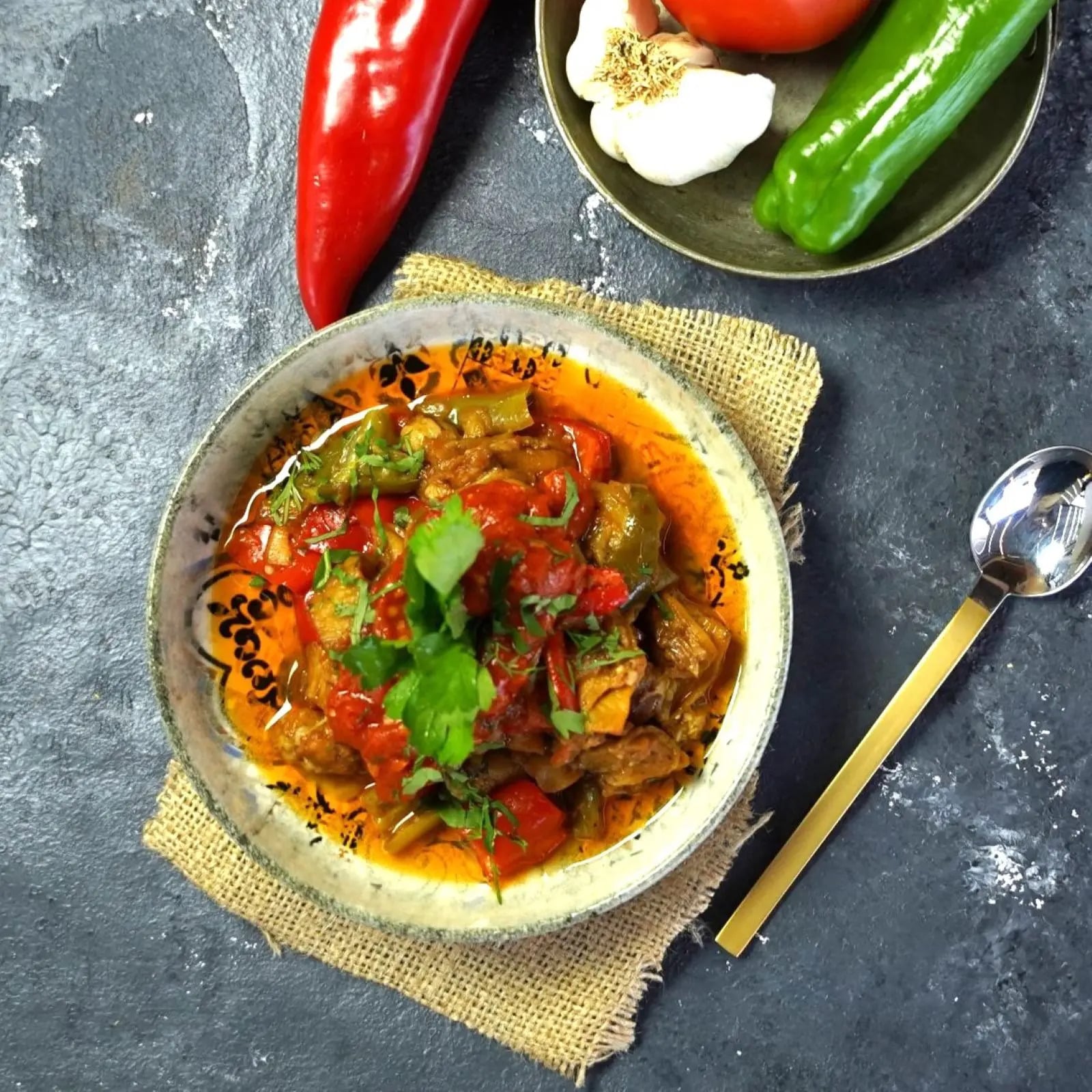
Quick Snapshot
- Category
- Appetizer / Mezze
- Price Range
- $ (Budget)
If you have heard of shakshuka — the popular Middle Eastern and North African dish of eggs poached in tomato sauce — set that image aside entirely. Turkish şakşuka is a completely different dish: a cold mezze of fried eggplant, zucchini, and peppers in a light tomato sauce, served at room temperature as part of a mezze spread. It is naturally vegan, vibrantly colorful, and one of the most satisfying vegetable dishes in Turkish cuisine.
The Story Behind Şakşuka
Despite the similar name, Turkish şakşuka and the egg-based shakshuka found in Israel, Tunisia, and other countries share little beyond a loose linguistic connection. Turkish şakşuka is firmly rooted in the Ottoman tradition of zeytinyağlı (olive oil) dishes — vegetable preparations cooked in olive oil and served cold, which form the backbone of mezze culture in Istanbul.
The dish is a celebration of summer vegetables. Eggplant, zucchini, and green peppers are fried individually until golden, then combined with a simple tomato sauce made from fresh tomatoes, garlic, and olive oil. The vegetables absorb the sauce as they cool, and the flavors meld into something greater than the sum of their parts. The result is a dish that tastes like a Turkish garden in late August.
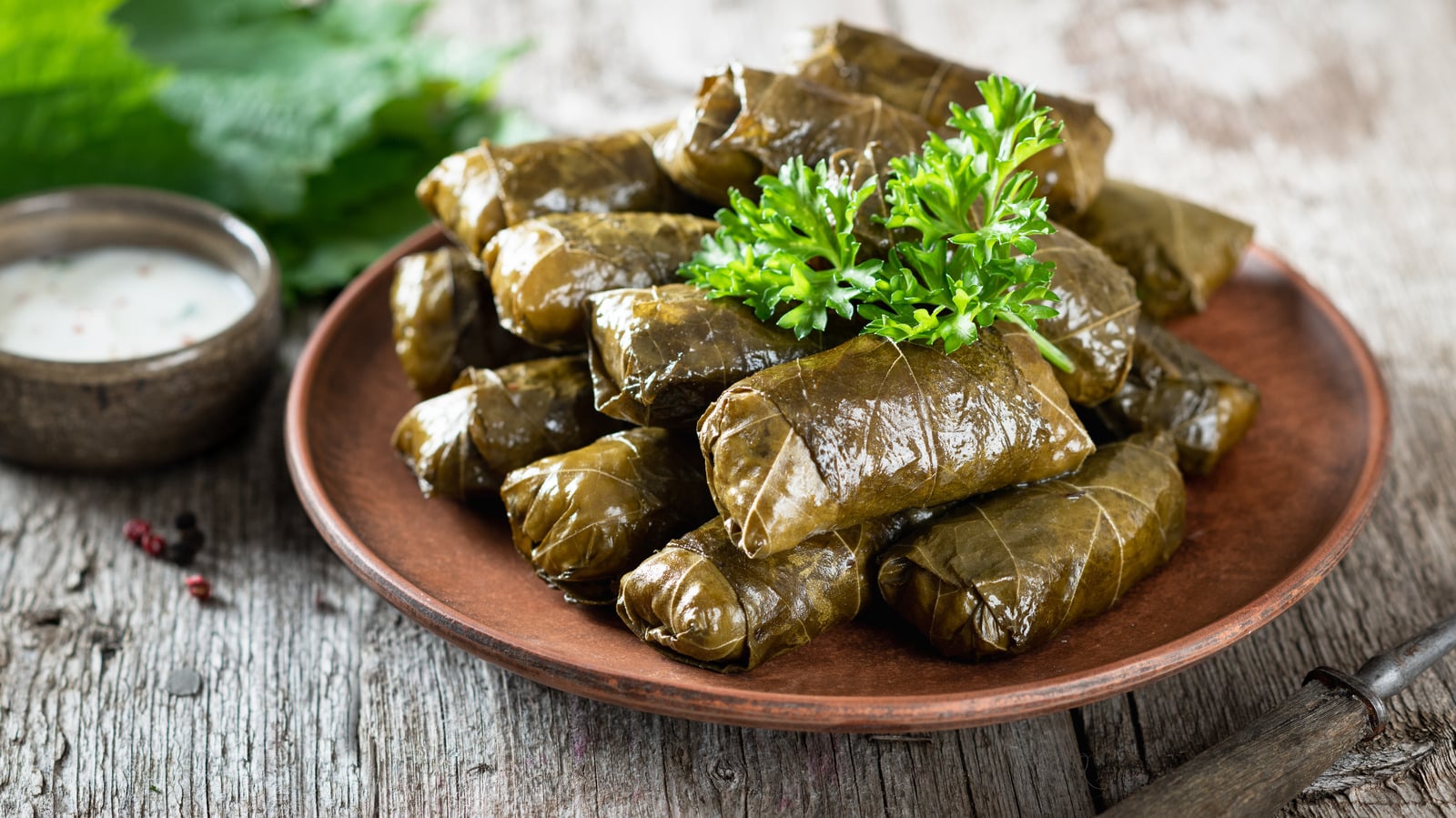
Şakşuka is a meyhane staple — one of those cold dishes that arrives at the table before anything else, alongside haydari, hummus, and stuffed grape leaves. It is unpretentious, inexpensive, and deeply satisfying, which is exactly why it has endured for centuries.
Why You Must Try It in Istanbul
For vegetable lovers and vegans, şakşuka is a gift. In a cuisine that is often associated with grilled meats, this dish proves that Turkish cooking has an equally strong vegetable tradition. The quality of the vegetables matters enormously, and Istanbul's markets and restaurants have access to some of the best produce in the Mediterranean. A well-made şakşuka using peak-season eggplant and peppers is a revelatory eating experience.
Ingredients & Preparation
- Vegetables: Eggplant (cubed), zucchini (sliced or cubed), green bell peppers (chopped)
- Sauce: Fresh tomatoes or tomato paste, garlic, onion
- Oil: Olive oil (generous — the vegetables are fried)
- Seasoning: Salt, black pepper, optional pul biber (red pepper flakes)
- Garnish: Fresh flat-leaf parsley, a drizzle of olive oil
- Method: Each vegetable is fried separately in olive oil, then combined with the tomato sauce and simmered briefly. Cooled completely to room temperature before serving — never heated for service.
Best Places to Try Şakşuka in Istanbul
| Spot | Neighborhood | Known For |
| Çiya Sofrası | Kadıköy | Extensive zeytinyağlı selection, excellent traditional şakşuka |
| Sultanahmet Köftecisi | Sultanahmet | Classic Turkish sides alongside their famous köfte, reliable şakşuka |
| Agora Meyhanesi 1890 | Balat | Historic meyhane with a generous mezze spread including standout şakşuka |
| Karaköy Lokantası | Karaköy | Elegant lokanta with well-prepared zeytinyağlı dishes and mezze |
Insider Tips: Eat Like a Local 🧳
- Şakşuka is always served cold or at room temperature — never hot. If it arrives warm, it was likely reheated and will not taste as intended.
- Do not confuse it with shakshuka when ordering. If you ask for "shakshuka" at a Turkish restaurant, you might get confused looks or an egg dish that is not on the traditional menu.
- Pair it with fresh crusty bread and use the bread to soak up the tomato-olive oil sauce at the bottom of the plate. That sauce is the best part.
- Şakşuka is an excellent choice for vegan and vegetarian travelers — it contains no animal products in its traditional preparation.
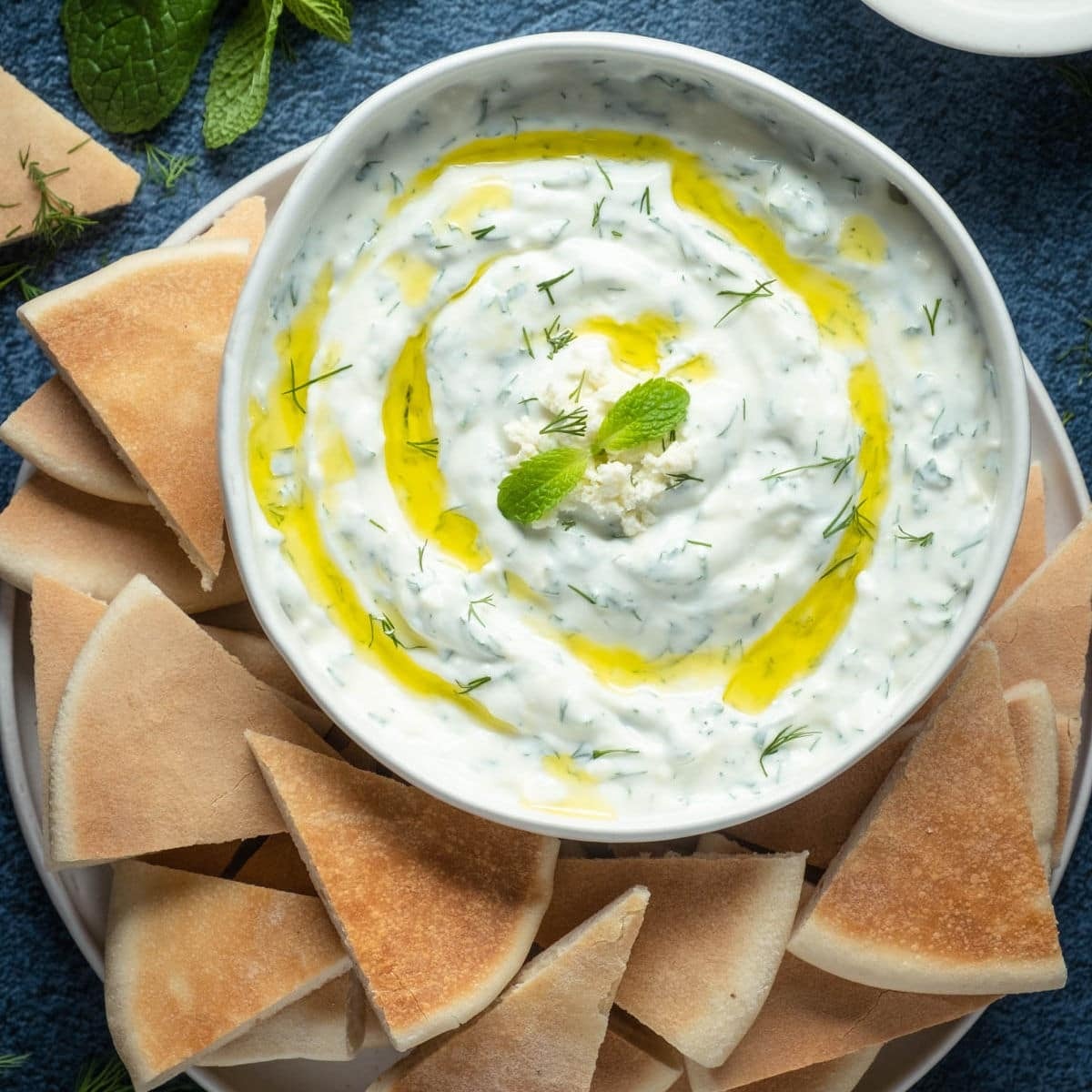
- At a meyhane, order şakşuka alongside haydari for a perfect contrast: the cool yogurt dip against the rich, oil-braised vegetables.
- The best şakşuka is made when eggplant is in season (late summer through early autumn). During these months, the dish reaches its peak flavor.
Frequently asked questions
What is Turkish şakşuka?
A cold mezze of fried eggplant, zucchini, and green peppers in a light tomato sauce, served at room temperature as part of a mezze spread. Each vegetable is fried separately in olive oil, then combined with a simple sauce of fresh tomatoes, garlic, and onion, simmered briefly, and cooled completely before serving.
What's the difference between Turkish şakşuka and Middle Eastern shakshuka?
Despite the similar name, they are completely different dishes. Turkish şakşuka is a cold, vegan eggplant-and-pepper mezze rooted in the Ottoman zeytinyağlı (olive oil) tradition. The egg-based shakshuka found in Israel, Tunisia, and other countries — eggs poached in tomato sauce — shares little beyond a loose linguistic connection. If you ask for "shakshuka" at a Turkish restaurant, you might get confused looks.
Is şakşuka vegan?
Yes — it contains no animal products in its traditional preparation. Eggplant, zucchini, peppers, tomatoes, garlic, onion, olive oil, salt, black pepper, optional pul biber, and parsley. Şakşuka is one of the most reliable vegan choices on a Turkish mezze menu.
Where can I try the best şakşuka in Istanbul?
Çiya Sofrası in Kadıköy has an extensive zeytinyağlı selection with excellent traditional şakşuka. Sultanahmet Köftecisi serves a reliable version alongside its famous köfte. Agora Meyhanesi 1890 in Balat offers a generous historic-meyhane mezze spread with standout şakşuka, and Karaköy Lokantası is the elegant lokanta with well-prepared zeytinyağlı dishes.
When is şakşuka at its best?
Late summer through early autumn, when eggplant is in season — that's when the dish reaches its peak flavor. The quality of the vegetables matters enormously, and a well-made şakşuka using peak-season eggplant and peppers is a revelatory eating experience.
How is şakşuka served?
Always cold or at room temperature — never hot. If it arrives warm, it was likely reheated and won't taste as intended. Pair it with fresh crusty bread and use the bread to soak up the tomato-olive oil sauce at the bottom of the plate; that sauce is the best part. At a meyhane, order it alongside haydari for a perfect contrast — cool yogurt dip against rich oil-braised vegetables.