
Humus: The Essential Guide for Istanbul Visitors
Quick Snapshot
- Category
- Appetizer / Mezze
- Price Range
- $ (Budget)
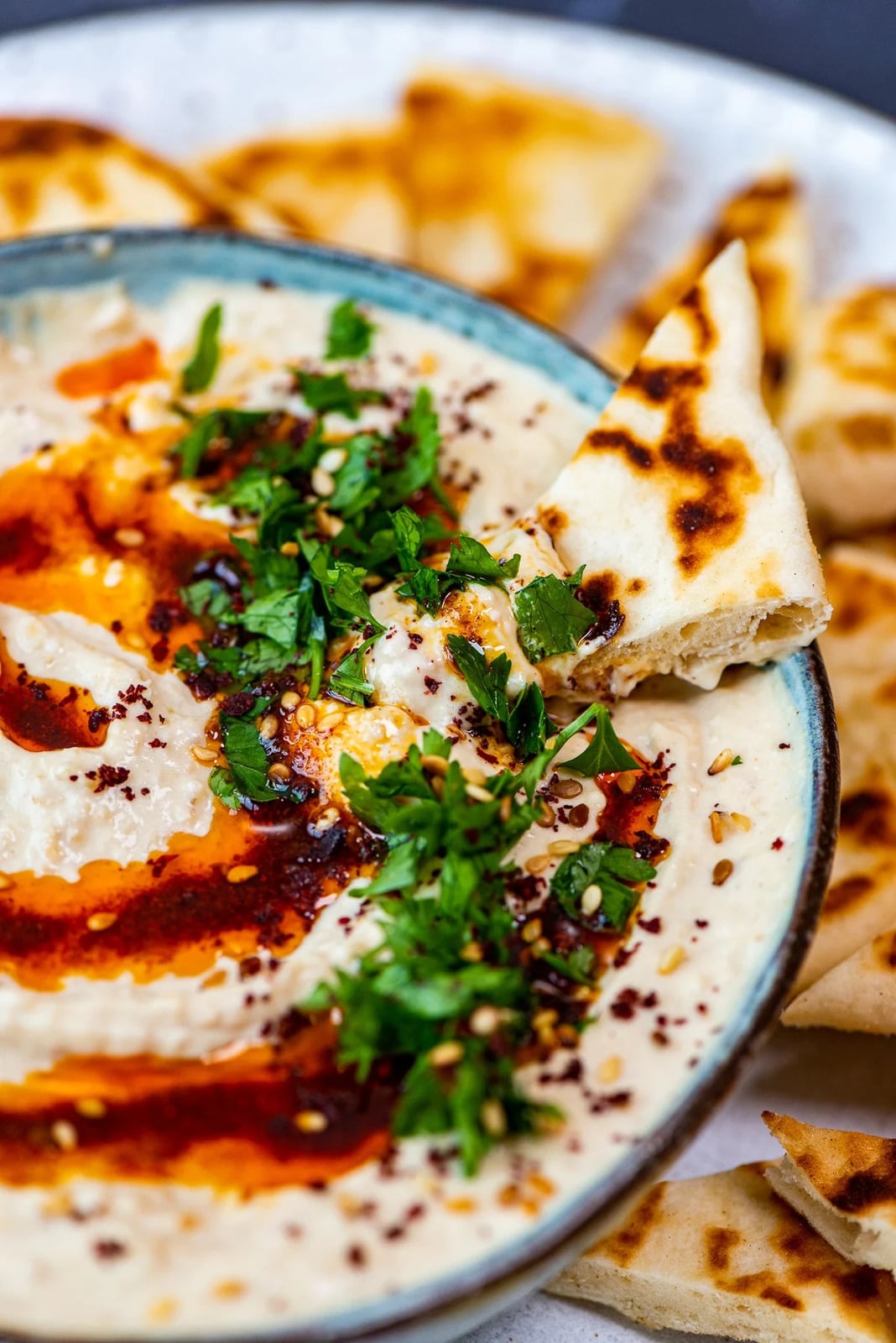
Hummus needs no introduction — the creamy chickpea and tahini dip is loved across the world — but the version you will find in Istanbul carries its own distinct character, shaped by Turkey's mezze traditions and the culinary influence of the country's southeastern regions. Served with warm pide bread and a generous pour of olive oil, Istanbul hummus is worth seeking out even if you think you already know this dish.
The Story Behind Humus
Hummus is a dish of shared heritage across the eastern Mediterranean. Turkey, Lebanon, Syria, and other neighboring cultures all claim deep roots with this chickpea dip, and the truth is that it belongs to all of them. In Istanbul, hummus has long been part of the mezze tradition, appearing on tavern tables alongside haydari, ezme, and other cold starters.
What gives Istanbul's hummus scene a special edge is the influence of Hatay and Antakya cuisine. Turkey's southernmost province, Hatay, borders Syria and has a culinary tradition that is arguably the richest in the country. Waves of migration from the southeast have brought Hatay-style hummus to Istanbul — creamier, often served warm, topped with butter-fried pine nuts or spiced ground meat, and noticeably different from the versions you might find in a typical supermarket.
The best hummus in Istanbul tends to come from restaurants specializing in southeastern Turkish and Hatay cuisine. These places take the preparation seriously: long-soaked chickpeas, freshly ground tahini, and careful seasoning that balances lemon, garlic, and cumin in the right proportions.
Why You Must Try It in Istanbul
Istanbul is a city of migrations, and its hummus reflects that diversity. You can find stripped-down, classic versions alongside richly topped Hatay-style plates with warm butter and spices. The tradition of eating hummus with freshly baked pide bread — torn by hand and used to scoop — elevates the experience beyond what a bag of pita chips can offer. If you only know hummus from a plastic container, Istanbul will change your perspective.
Ingredients & Preparation
- Base: Dried chickpeas, soaked overnight and cooked until very soft (skins removed for smoothness)
- Tahini: Sesame paste, freshly ground for the best flavor
- Acid: Fresh lemon juice
- Aromatics: Raw garlic, ground cumin
- Finishing: Extra virgin olive oil, a dusting of paprika or pul biber, whole chickpeas for garnish
- Hatay-style toppings: Butter-fried pine nuts, spiced minced meat (kavurma), sumac
- Method: Blended until completely smooth; served at room temperature or slightly warm with fresh bread
Best Places to Try Humus in Istanbul
| Spot | Neighborhood | Known For |
| Çiya Sofrası | Kadıköy | Regional Anatolian specialties, authentic southeastern-style hummus |
| Antiochia | Beyoğlu | Hatay cuisine specialist, richly topped warm hummus |
| Meze by Lemon Tree | Beyoğlu | Artisanal mezze selection, classic creamy hummus |
| Hatay Medeniyetler Sofrası | Fatih | Hatay-style hummus with butter, pine nuts, and spiced meat toppings |
Insider Tips: Eat Like a Local 🧳
- Ask for warm pide bread to eat with your hummus — the combination of warm bread and cool, creamy dip is essential to the experience.
- At Hatay-style restaurants, try hummus kavurmalı — hummus topped with spiced sauteed meat and butter. It is a meal in itself.
- Drizzle extra olive oil generously. Locals do not hold back on the oil, and neither should you.
- Hummus makes an excellent breakfast dish in southeastern Turkish tradition. Some lokanta-style restaurants serve it in the morning alongside fresh bread and tea.
- If you see hummus on the menu at a fish restaurant, skip it — the best hummus comes from places that specialize in southeastern Anatolian or Hatay cuisine.
Frequently asked questions
What is hummus made of?
Dried chickpeas (soaked overnight and cooked very soft, with skins removed for smoothness), freshly ground tahini, fresh lemon juice, raw garlic, and ground cumin, blended until completely smooth and finished with extra virgin olive oil and a dusting of paprika or pul biber. Whole chickpeas are often added as garnish.
Is hummus vegetarian or vegan?
The classic recipe is vegan — just chickpeas, tahini, lemon, garlic, cumin, and olive oil. Hatay-style toppings change that: butter-fried pine nuts make it vegetarian-but-not-vegan, and hummus kavurmalı (with spiced minced meat) makes it neither. Ask before ordering if it matters.
What makes Istanbul/Turkish hummus distinct?
The influence of Hatay and Antakya cuisine. Hatay, Turkey's southernmost province bordering Syria, has a culinary tradition arguably the richest in the country. Waves of migration from there have brought Hatay-style hummus to Istanbul — creamier, often served warm, topped with butter-fried pine nuts or spiced ground meat, noticeably different from the supermarket versions you might know.
Where can I try the best hummus in Istanbul?
Çiya Sofrası in Kadıköy is the regional Anatolian benchmark. Antiochia in Beyoğlu specializes in Hatay cuisine and serves richly topped warm hummus. Meze by Lemon Tree in Beyoğlu offers a classic creamy version, and Hatay Medeniyetler Sofrası in Fatih is the place for Hatay-style hummus with butter, pine nuts, and spiced meat toppings.
What is hummus kavurmalı?
Hummus topped with spiced sautéed meat and butter, in the Hatay style. It is a meal in itself rather than an appetizer — order it at a Hatay-specialist restaurant and pair it with warm pide bread for the full effect.
Is hummus a breakfast food in Turkey?
It can be. Hummus makes an excellent breakfast dish in southeastern Turkish tradition — some lokanta-style restaurants serve it in the morning alongside fresh bread and tea. Across the rest of Istanbul it is more typically a mezze starter, served at meyhanes alongside haydari, ezme, and other cold dips.