
Köfte: The Essential Guide for Istanbul Visitors
Quick Snapshot
- Category
- Main Dish
- Price Range
- $-$$ (Budget to Mid-Range)
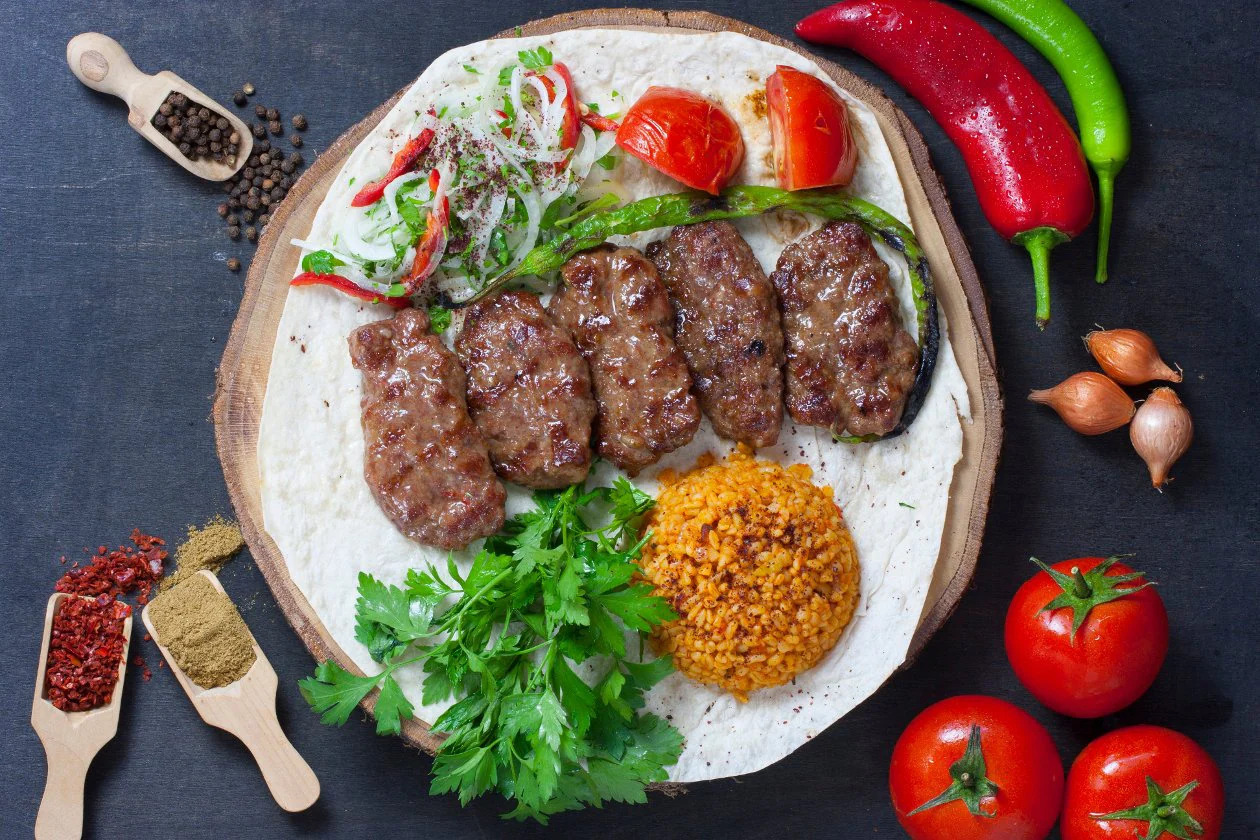
Köfte is Turkey's answer to the meatball — hand-shaped, boldly spiced, and grilled over charcoal until the edges char and the center stays juicy. It is one of the oldest and most widespread dishes in Turkish cuisine, found in every neighborhood lokanta, street-side grill, and white-tablecloth restaurant across Istanbul. Whether you eat it tucked into bread with raw onion or plated alongside rice and grilled peppers, köfte is the comfort food that unites the entire country.
The Story Behind Köfte
The word "köfte" is believed to derive from the Persian kufta, meaning "pounded" or "ground," reflecting the ancient technique of pounding meat by hand before shaping it. The dish has roots stretching deep into the Ottoman Empire, where variations of spiced ground meat were prepared in palace kitchens and humble roadside stalls alike. As the empire spanned three continents, köfte absorbed influences from the Balkans, the Caucasus, and the Middle East, yet it always remained unmistakably Anatolian at its core.
Turkey today claims dozens of distinct regional köfte styles, each fiercely defended by its hometown. İnegöl köfte from Bursa uses no spices at all — just pure meat, onion, and bread, relying entirely on the quality of the ingredients and the skill of the cook. Akçaabat köfte from the Black Sea coast goes in the opposite direction, loading the mixture with bold garlic and fat for a punchy, bold flavor. Tekirdağ köfte is shaped flat and wide, almost like a patty, and grilled until deeply caramelized. Each style tells the story of its region's landscape and palate.
In Istanbul, the most famous köfte institution is Meşhur Sultanahmet Köftecisi, which has been grilling its signature recipe in the shadow of the Blue Mosque since 1920 — over a century of unbroken service. The restaurant's longevity speaks to the enduring power of simplicity: great meat, the right spice blend, and a screaming-hot grill. It is a dish that has never needed reinvention.
Why You Must Try It in Istanbul
Istanbul is where every regional köfte tradition converges. Migration from every corner of Turkey has turned the city into a living encyclopedia of köfte styles — you can eat İnegöl köfte in Fatih, Akçaabat köfte in Beşiktaş, and Tekirdağ köfte in Kadıköy, all in a single day. The competition between köfte shops is fierce, and that competition keeps the quality remarkably high.
What elevates Istanbul köfte above what you will find elsewhere is the ritual around it. A proper köfte meal comes with a basket of fresh bread, a plate of white beans in olive oil (piyaz), grilled green peppers, sliced tomatoes, and a tall glass of cold ayran. It is simple, affordable, and deeply satisfying — the kind of meal that makes you understand why Turks consider köfte not just food, but a way of life.
Ingredients & Preparation
- Meat 🥩 — ground beef, lamb, or a mixture of both, ideally with around 20% fat for juiciness
- Binders 🍞 — stale bread soaked in water, or fine breadcrumbs, along with egg to hold the shape
- Aromatics 🧅 — grated onion, minced garlic, and fresh flat-leaf parsley
- Spices 🌶️ — cumin, paprika, black pepper, and sometimes a pinch of sumac or chili flakes
- Accompaniments 🥬 — piyaz (white bean salad), grilled peppers, sliced tomatoes, raw onion, and warm bread
The meat is kneaded thoroughly with the bread, onion, and spices until the mixture becomes smooth and slightly sticky. Portions are shaped by hand into oval or round patties and left to rest briefly so they hold together on the grill. They are cooked over high-heat charcoal, flipped once, and served immediately — the outside should be lightly charred while the inside remains pink and tender.
Best Places to Try Köfte in Istanbul
| Spot | Neighborhood | Known For |
| Meşhur Sultanahmet Köftecisi | Sultanahmet | Over 100 years old — Istanbul's most iconic köfte since 1920 |
| Köfteci Ramiz | Various locations | Consistent quality across the city with multiple regional köfte styles |
| Filibe Köftecisi | Fatih | Family-run spot with flavorful, tender köfte and loyal local following |
| Tarihi Selim Usta Sultanahmet Köftecisi | Sultanahmet | Historic rival to its famous neighbor with a devoted clientele |
Insider Tips: Eat Like a Local 🧳
- Order the full spread. Do not just get köfte alone — ask for piyaz, grilled peppers, and bread. The sides are half the experience and most places include them automatically with a porsiyon order.
- Squeeze lemon generously. A good hit of fresh lemon juice cuts through the richness of the meat and ties the whole plate together. Locals do not hold back.
- Pair with ayran, always. Cola works, but cold ayran with köfte is a combination that Turks consider non-negotiable. The salty tang of the yogurt drink balances the spiced, charred meat perfectly.
- Go to a specialist. The best köfte comes from shops that do nothing else. If a restaurant has a 10-page menu and köfte is item number 47, keep walking.
- Try raw onion on the side. It sounds aggressive, but thin-sliced white onion with a sprinkle of sumac is the traditional köfte garnish. It adds crunch and sharpness that lifts the whole dish.
Frequently asked questions
What is köfte made of?
Ground beef, lamb, or a mixture of both — ideally with around 20% fat for juiciness — kneaded with stale bread soaked in water (or breadcrumbs), egg, grated onion, minced garlic, fresh flat-leaf parsley, cumin, paprika, and black pepper. The mixture is shaped by hand into oval or round patties and cooked over high-heat charcoal.
Where does the word 'köfte' come from?
From the Persian kufta, meaning "pounded" or "ground" — a reference to the ancient technique of pounding meat by hand before shaping it. The dish has roots stretching deep into the Ottoman Empire, where variations of spiced ground meat were prepared in palace kitchens and roadside stalls alike.
What are the regional types of köfte?
Several distinct styles exist. İnegöl köfte from Bursa uses no spices at all — just pure meat, onion, and bread, relying entirely on ingredient quality. Akçaabat köfte from the Black Sea coast loads the mixture with bold garlic and fat for a punchy flavor. Tekirdağ köfte is shaped flat and wide, almost like a patty, and grilled until deeply caramelized. Each style tells the story of its region.
Where can I try the best köfte in Istanbul?
Meşhur Sultanahmet Köftecisi is the most iconic — over 100 years old, grilling its signature recipe in the shadow of the Blue Mosque since 1920. Köfteci Ramiz has multiple locations across the city with consistent quality, Filibe Köftecisi in Fatih is the family-run favorite with a loyal local following, and Tarihi Selim Usta Sultanahmet Köftecisi is the historic rival to the famous neighbor.
What is served alongside köfte?
A proper köfte plate (porsiyon) comes with a basket of fresh bread, piyaz (white bean salad in olive oil), grilled green peppers, sliced tomatoes, and raw onion sprinkled with sumac. Most dedicated köfte spots include the sides automatically — they are half the experience.
What should I drink with köfte?
Cold ayran, without question. Cola works, but ayran with köfte is a combination Turks consider non-negotiable — the salty tang of the yogurt drink balances the spiced, charred meat perfectly. Squeeze fresh lemon over the meat too; the acidity cuts through the richness and ties the plate together.