
Mantı: The Essential Guide for Istanbul Visitors
Quick Snapshot
- Category
- Main Dish
- Price Range
- $$ (Mid-Range)
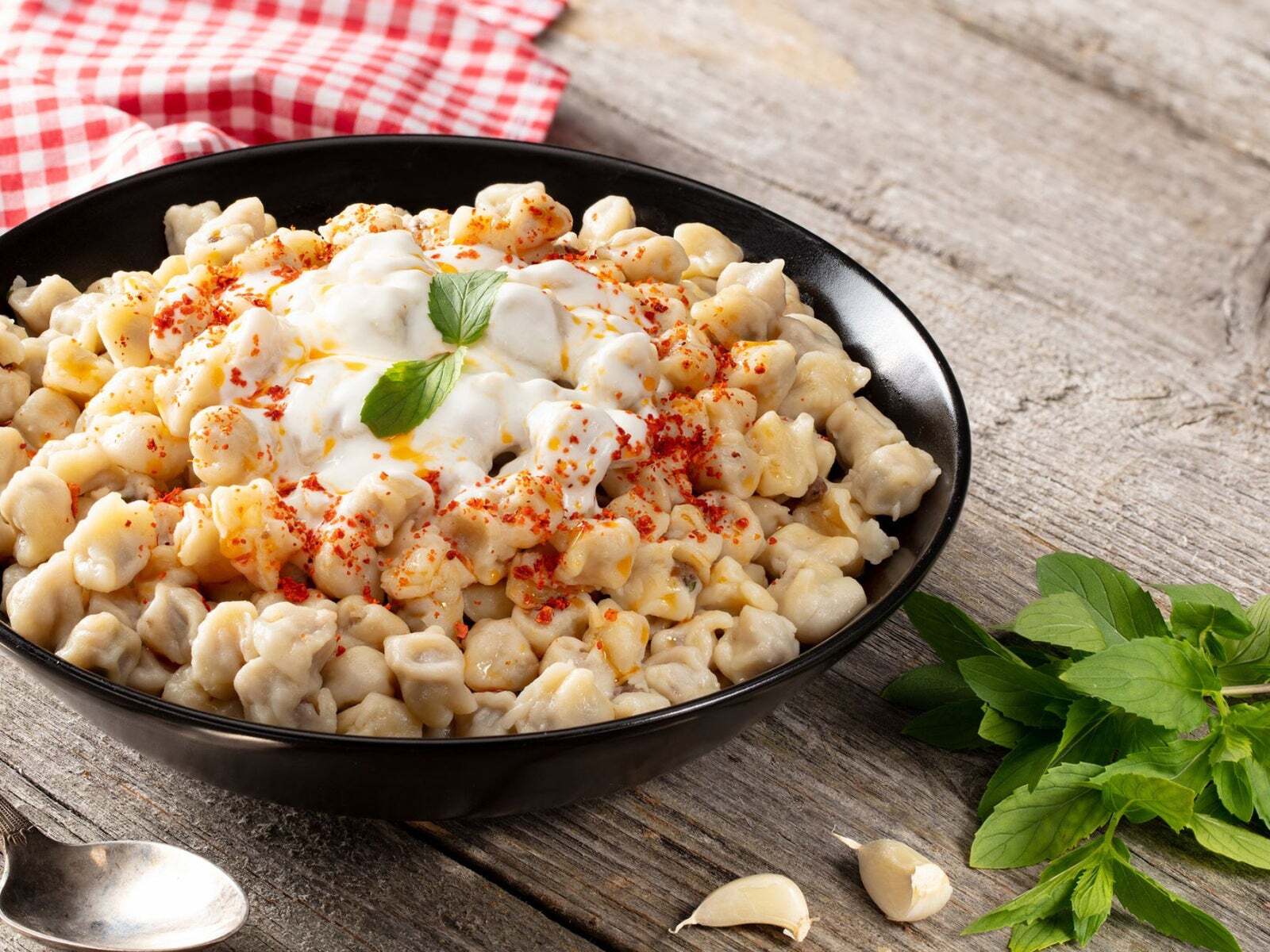
Mantı is Turkey's beloved dumpling — tiny pockets of hand-rolled dough filled with spiced lamb or beef, boiled or baked, and drowned in a cascade of garlicky yogurt and sizzling paprika butter. It is one of the most labor-intensive dishes in Turkish cuisine and one of the most rewarding to eat. In Istanbul, mantı is both a weeknight comfort meal and a test of a cook's patience and skill.
The Story Behind Mantı
Mantı traces its origins to the Central Asian Turkic peoples, carried westward across the steppes during the great migrations that eventually brought the Turks to Anatolia. The dish belongs to a vast family of filled dumplings that stretches along the entire Silk Road — it is a linguistic and culinary cousin of Mongolian mantu, Chinese mantou, and the momo of Tibet and Nepal. Each culture adapted the basic concept of dough wrapped around meat to its own ingredients and traditions, but the Turkish version developed its own distinct identity: smaller, thinner-skinned, and defined by its yogurt-and-butter sauce.
The city of Kayseri in central Anatolia became the spiritual home of mantı and established the standard by which all Turkish mantı is judged. In Kayseri tradition, the skill of a bride was measured by how small she could make her mantı — the saying "bir kaşıkta kırk mantı" (forty mantı on one spoon) captures the pride that families took in producing impossibly tiny dumplings. Each one no bigger than a fingernail, they required hours of meticulous pinching and folding, turning the preparation into a communal event where mothers, daughters, and neighbors gathered around the kitchen table.
As Anatolian families migrated to Istanbul throughout the 20th century, they brought their mantı traditions with them. Today the city's mantı restaurants serve styles from across Turkey — from the classic tiny Kayseri variety to larger, heartier versions from the eastern provinces. What unites them all is the holy trinity of toppings: thick, cold yogurt sharpened with raw garlic; melted butter bloomed with red pepper flakes; and a final scattering of dried mint and sumac.
Why You Must Try It in Istanbul
Istanbul is the only city where you can taste mantı from every Turkish tradition under one roof. Kayseri-style miniatures, larger Black Sea-style dumplings, and creative modern interpretations all compete for attention across the city's restaurants. The best mantı houses make their dough and fillings from scratch daily, and watching the kitchen team pinch hundreds of tiny dumplings by hand is a reminder that this is slow food in the truest sense.
The experience of eating mantı is unlike any other Turkish dish. The contrast between the cool, tangy yogurt and the hot, paprika-spiked butter creates a sauce that is simultaneously rich and refreshing. Each dumpling delivers a tiny burst of spiced meat, and because they are so small you eat them by the spoonful rather than one at a time — a rhythmic, almost meditative way to have a meal.
Ingredients & Preparation
- Dough 🫓 — flour, eggs, water, and a pinch of salt, rolled paper-thin and cut into small squares
- Filling 🥩 — ground lamb or beef mixed with finely minced onion, salt, black pepper, and sometimes a touch of cumin
- Yogurt sauce 🥛 — thick strained yogurt beaten with crushed raw garlic and a pinch of salt
- Butter sauce 🧈 — melted butter infused with pul biber (Aleppo pepper flakes) or sweet paprika
- Garnish 🌿 — dried mint, ground sumac, and sometimes a drizzle of tomato-pepper paste
The dough is rolled out as thin as possible, then cut into squares roughly 2-3 centimeters across — or much smaller for Kayseri-style. A tiny pinch of the meat filling is placed in the center of each square, and the corners are folded up and pinched together to seal the dumpling. The mantı are boiled in salted water (some traditions bake them first, then boil), then drained and plated. The cold yogurt sauce goes on first, followed by the hot butter sauce poured tableside so it sizzles on contact.
Best Places to Try Mantı in Istanbul
| Spot | Neighborhood | Known For |
| Bodrum Mantı & Cafe | Bebek / Beşiktaş | Elegant setting with perfectly crafted Kayseri-style mantı and creative variations |
| Mantı Evi | Beyoğlu | Dedicated mantı house with traditional and modern fillings in the heart of Istiklal |
| Çiya Sofrası | Kadıköy | Legendary Anatolian kitchen serving regional mantı alongside rare Turkish dishes |
| Emirgan Sütiş | Emirgan | Classic Istanbul institution with rich yogurt-sauced mantı in a Bosphorus-side setting |
Insider Tips: Eat Like a Local 🧳
- Mix the yogurt and butter together. When your plate arrives with cold yogurt and hot butter in separate layers, stir them together immediately. The emulsion of cool garlic yogurt and spicy melted butter is the whole point.
- Eat quickly while it is hot. Mantı dough absorbs sauce fast. If you let it sit too long, the dumplings turn soft and the textures blur. The first few bites, when the butter is still sizzling, are the best.
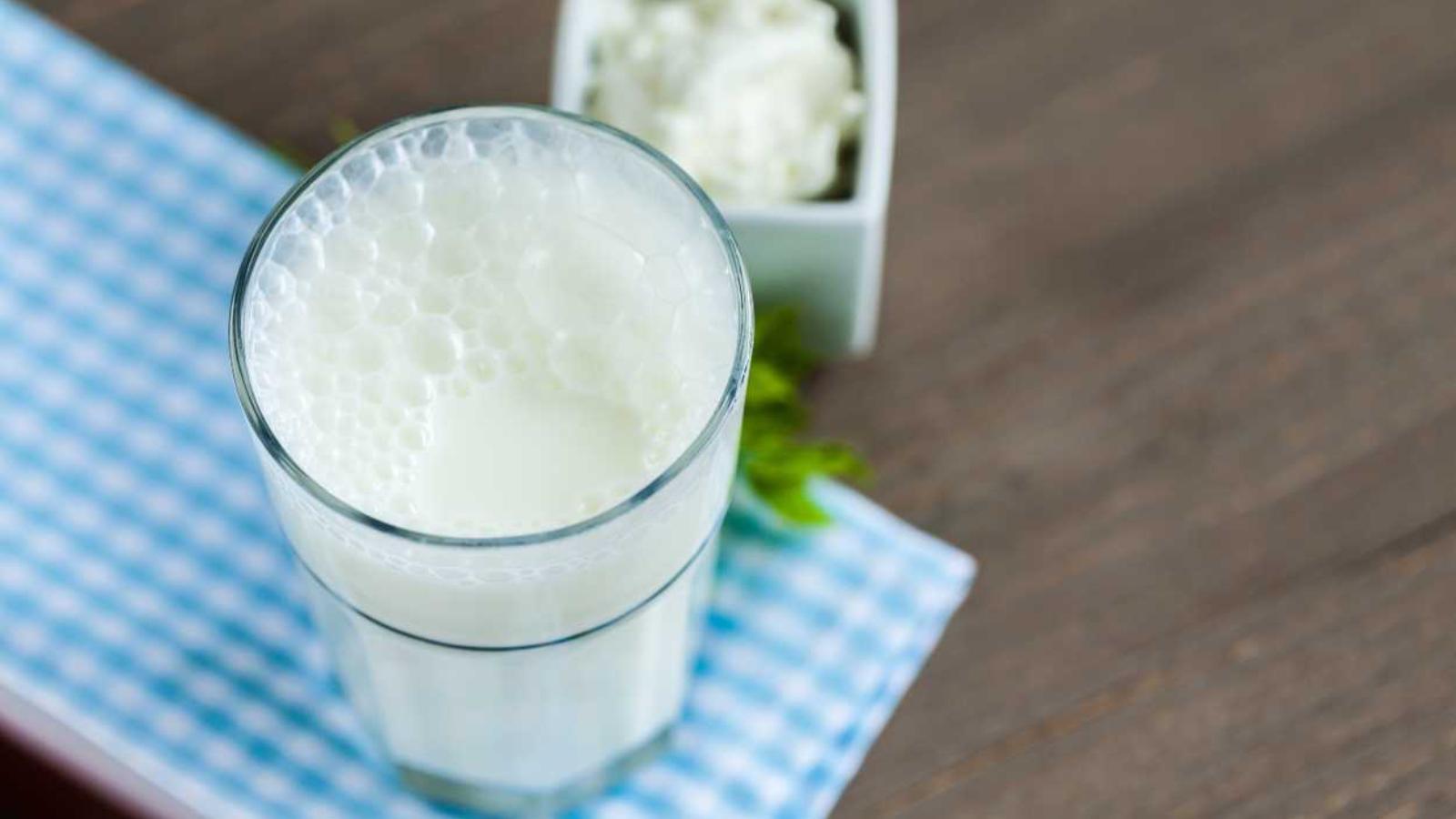
- Pair with ayran. A cold glass of ayran alongside a plate of mantı is the classic combination. The extra yogurt tang doubles down on the sauce and cuts through the richness of the butter.
- Ask if it is handmade. The best mantı restaurants make their dumplings in-house daily. If you can see the kitchen team pinching dumplings, that is a very good sign. Machine-made mantı is not the same experience.
- Order a side of mercimek çorbası. Lentil soup before mantı is a traditional Anatolian meal sequence. The light, lemony soup prepares your palate for the rich dumplings to follow.
Frequently asked questions
What is mantı?
Tiny Turkish dumplings — pockets of hand-rolled dough filled with spiced lamb or beef, boiled (or baked then boiled), and served drowned in cold garlicky yogurt and sizzling paprika butter, finished with dried mint and sumac. The dough is rolled paper-thin and cut into squares roughly 2–3 cm across, with a tiny pinch of meat filling sealed inside each.
What's the difference between mantı and other Asian dumplings?
Mantı belongs to a vast family of filled dumplings that stretches along the Silk Road — it is a linguistic and culinary cousin of Mongolian mantu, Chinese mantou, and the momo of Tibet and Nepal. The Turkish version is smaller, thinner-skinned, and defined by its yogurt-and-butter sauce — that sauce is what sets it apart from every relative in the dumpling family.
What does 'forty mantı on one spoon' mean?
The Kayseri saying "bir kaşıkta kırk mantı" — "forty mantı on one spoon" — captures the pride that families took in producing impossibly tiny dumplings, each one no bigger than a fingernail. In Kayseri tradition, the skill of a bride was measured by how small she could make her mantı, turning the preparation into a communal event.
Where can I try the best mantı in Istanbul?
Bodrum Mantı & Cafe in Bebek/Beşiktaş offers an elegant setting with perfectly crafted Kayseri-style mantı. Mantı Evi in Beyoğlu is the dedicated mantı house in the heart of Istiklal, Çiya Sofrası in Kadıköy serves regional variations alongside rare Anatolian dishes, and Emirgan Sütiş is the classic institution with rich yogurt-sauced mantı in a Bosphorus-side setting.
How is mantı served?
Three components arrive layered on the plate: thick strained yogurt beaten with crushed raw garlic goes on first (cold), then melted butter infused with pul biber or sweet paprika is poured tableside so it sizzles on contact, and a final scattering of dried mint and sumac finishes the dish. Stir the cold yogurt and hot butter together immediately — that emulsion is the whole point. Eat quickly while it is hot, before the dough absorbs the sauce and the textures blur.
What should I drink with mantı?
Cold ayran — the extra yogurt tang doubles down on the sauce and cuts through the richness of the butter. For the full traditional Anatolian meal sequence, start with a bowl of mercimek soup; the light, lemony soup prepares your palate for the rich dumplings.