
Lokma: The Essential Guide for Istanbul Visitors
Quick Snapshot
- Category
- Dessert
- Best Paired With
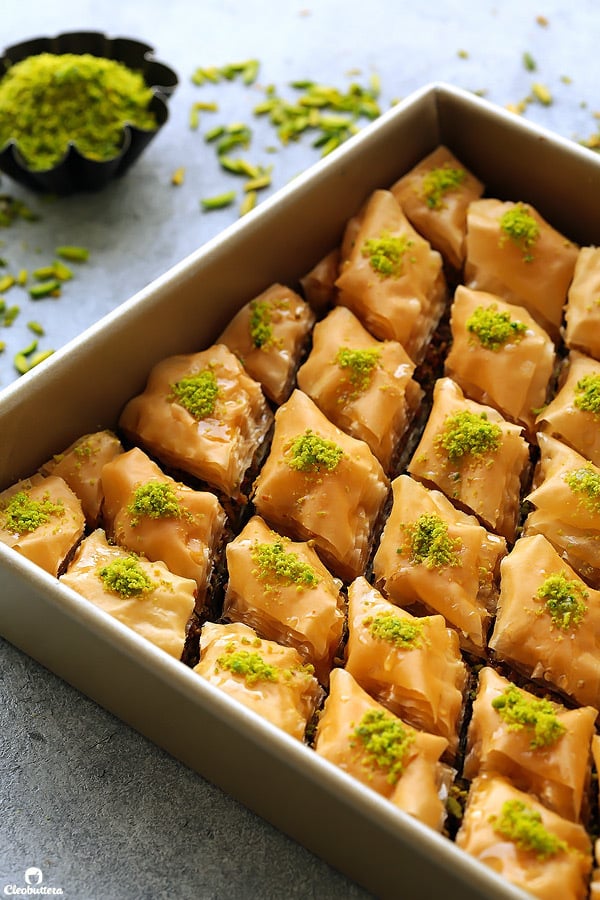
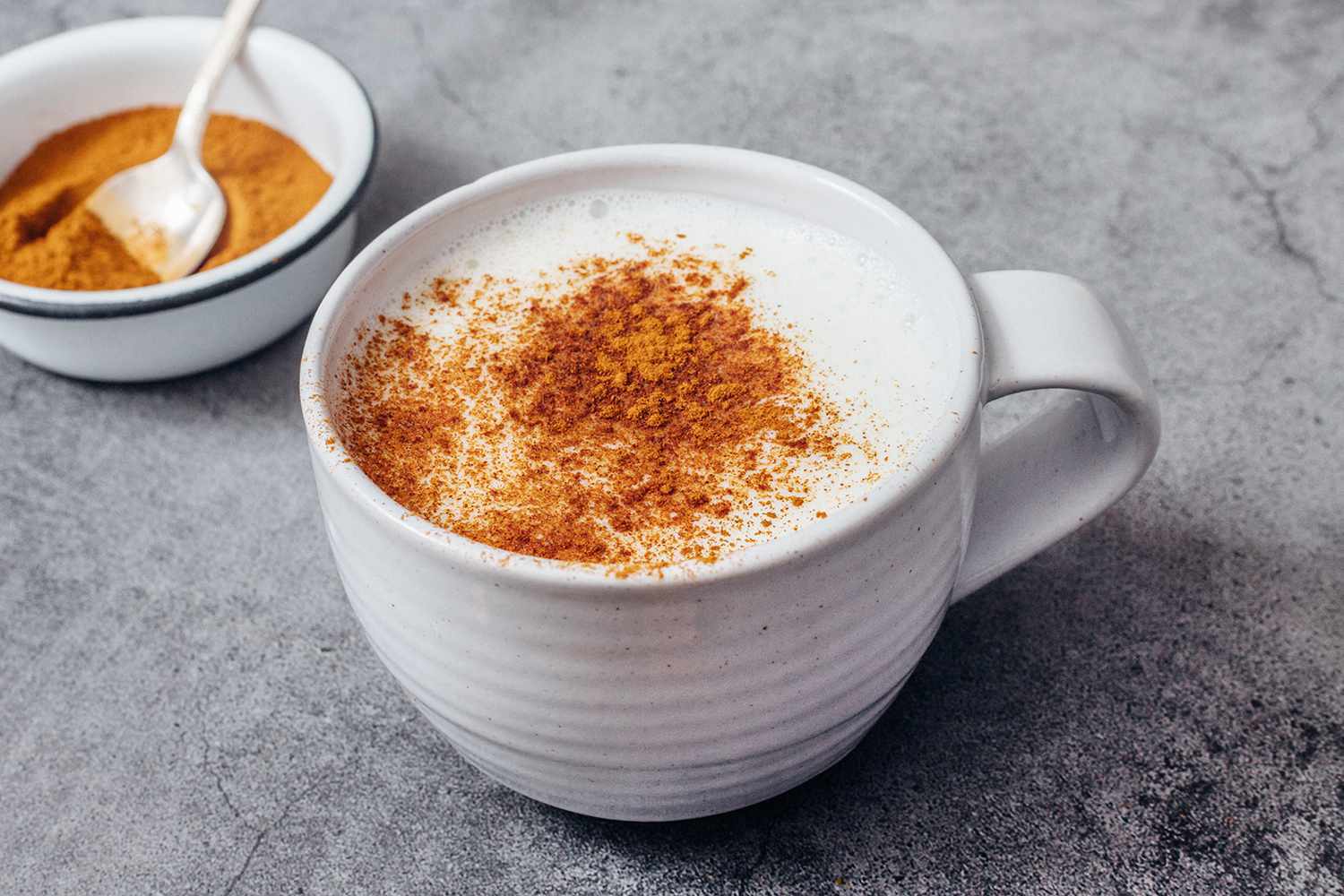
- Turkish Coffee, Tea, Salep, Baklava
- Price Range
- $ (Budget)
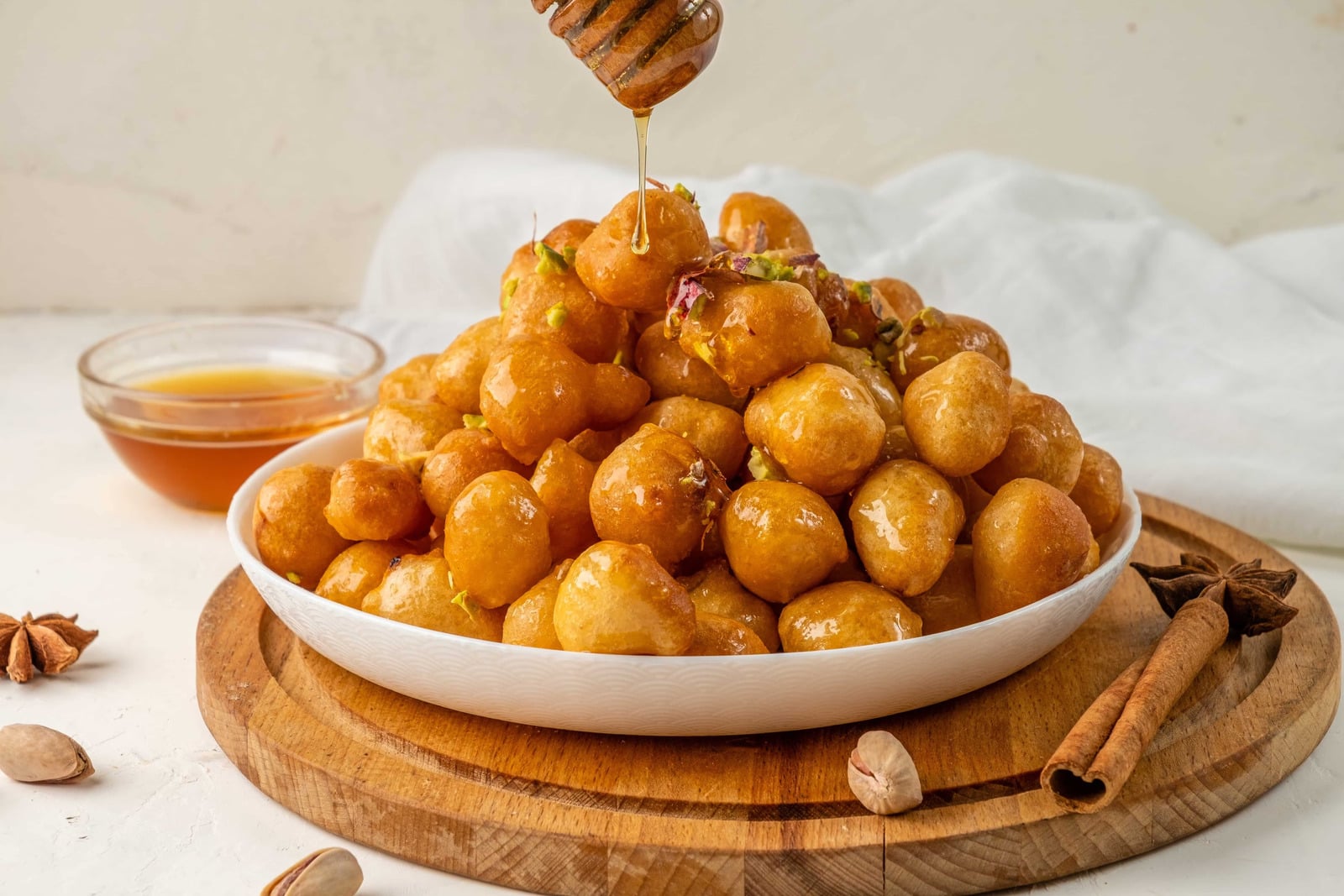
Lokma are small, golden balls of deep-fried dough soaked in sugar syrup — crispy on the outside, pillowy soft on the inside, and impossibly easy to keep eating. They are Turkey's most communal dessert, deeply tied to traditions of generosity and celebration, and you will encounter them on the streets of Istanbul at festivals, neighborhood gatherings, and from dedicated lokma carts.
The Story Behind Lokma
The word lokma means "morsel" or "mouthful" in Turkish, and that simplicity captures the spirit of the dessert perfectly. Lokma is not refined or complicated — it is honest, sweet, and meant to be shared. The tradition of lokma dagitmak (distributing lokma) is one of the most beautiful cultural practices in Turkey. Families give away lokma for free at weddings, births, circumcision celebrations, and memorial gatherings (mevlid) as an act of charity and blessing.
The tradition works like this: a host sets up a large frying station — often right on the street or in a courtyard — and begins making lokma in enormous batches. Neighbors, passersby, and anyone who happens to walk by is invited to take a plate. Refusing lokma is considered impolite. The act of giving is as important as the food itself — it is believed that sharing lokma brings blessings to both the giver and the memory of the person being honored.
This charitable tradition means that lokma occupies a unique place in Turkish food culture. Unlike baklava or künefe, which are primarily commercial desserts, lokma's deepest identity is tied to generosity rather than commerce. Even as commercial lokma shops have grown across Istanbul, the street-distribution tradition remains alive and well. If you are lucky, you may stumble upon a lokma giveaway during your visit — take a plate, say elinize sağlık (health to your hands), and enjoy one of Turkey's most heartfelt customs.
Why You Must Try It in Istanbul
Istanbul's size and energy mean there is always something being celebrated, and lokma is often at the center of it. Beyond the charitable tradition, the city has developed a thriving lokma cart and shop culture. Street vendors fry lokma in large pans of hot oil, dropping spoonfuls of batter that puff into golden spheres within seconds, then scooping them into a bath of sweet syrup. Watching the process is almost as satisfying as eating the result. A plate of fresh lokma from a street vendor costs very little and delivers one of the purest pleasures in Istanbul's food scene.
The Perfect Bite
A perfect lokma is about size and timing. Each ball should be small enough to eat in one bite — true to its name as a "morsel." The exterior should be golden-brown and slightly crunchy, giving way to a soft, airy interior with a light yeasty flavor. The syrup should coat the surface evenly without pooling at the bottom of the plate. Fresh lokma has a warmth and lightness that disappears within minutes of cooling — when the crunch fades and the dough turns dense, the magic is gone. Always eat lokma hot, ideally within moments of it leaving the fryer.
Best Places to Try Lokma in Istanbul
| Spot | Neighborhood | Known For |
| Havuzlu Lokma | Sultanahmet | Fresh lokma in the historic heart of the old city |
| Cihangir Lokmacısı | Beyoğlu | Local favorite with syrup-drenched lokma and creative toppings |
| Street vendors & festival stalls | Citywide | The authentic experience — look for carts at festivals, weddings, and neighborhood celebrations |
Insider Tips: Eat Like a Local 🧳
- Eat them hot. Lokma loses its magic quickly. If the vendor just pulled a batch from the oil, that is the moment to eat.
- Accept free lokma graciously. If you see a lokma distribution on the street, you are welcome to take a plate regardless of who you are. Say elinize sağlık (health to your hands) to thank the host.
- Do not overthink it. Lokma is not a dessert to analyze. Pop one in your mouth, enjoy the crunch and sweetness, and reach for another.
- Pair with tea or salep. A tulip glass of tea or a warm cup of salep alongside lokma is a classic winter combination.
- Watch for the charitable tradition. Lokma giveaways (lokma dagitmak) happen at weddings, memorial days, and religious celebrations. Stumbling upon one is a genuine cultural experience.
- Skip the fancy toppings at first. Some modern shops add chocolate, Nutella, or fruit. Try classic syrup-soaked lokma first to appreciate the original.
Frequently asked questions
What are lokma?
Small, golden balls of deep-fried dough soaked in sugar syrup — crispy on the outside, pillowy soft on the inside. Each ball is small enough to eat in one bite, the exterior is golden-brown and slightly crunchy, and the interior is soft and airy with a light yeasty flavor. They are scooped into syrup the moment they leave the fryer.
What does the word 'lokma' mean?
"Morsel" or "mouthful" in Turkish — and that simplicity captures the spirit of the dessert perfectly. Each ball should be small enough to eat in one bite, true to its name. The dish is not refined or complicated; it is honest, sweet, and meant to be shared.
What is the lokma giveaway tradition?
Lokma dağıtmak — distributing lokma — is one of Turkey's most beautiful cultural practices. Families give away lokma for free at weddings, births, circumcision celebrations, and memorial gatherings (mevlid) as an act of charity and blessing. A host sets up a frying station on the street or in a courtyard and invites neighbors and passersby to take a plate. If you stumble upon one, take a plate and say elinize sağlık ("health to your hands") to thank the host.
Where can I try lokma in Istanbul?
Havuzlu Lokma in Sultanahmet serves fresh lokma in the historic heart of the old city. Cihangir Lokmacısı in Beyoğlu is a local favorite with syrup-drenched lokma and creative toppings. Beyond shops, look for street vendors and festival stalls citywide — the authentic experience is at carts set up for weddings, festivals, and neighborhood celebrations.
When are lokma at their best?
Hot, ideally within moments of leaving the fryer. Lokma loses its magic quickly — when the crunch fades and the dough turns dense, the magic is gone. If a vendor just pulled a batch from the oil, that is the moment to eat. The syrup should coat each ball evenly without pooling at the bottom of the plate.
What should I drink with lokma?
A tulip glass of tea or a warm cup of salep alongside lokma is a classic winter combination. Turkish coffee also pairs well — its bitterness against the sweet syrup is a familiar Turkish pattern.