
Pide: The Essential Guide for Istanbul Visitors
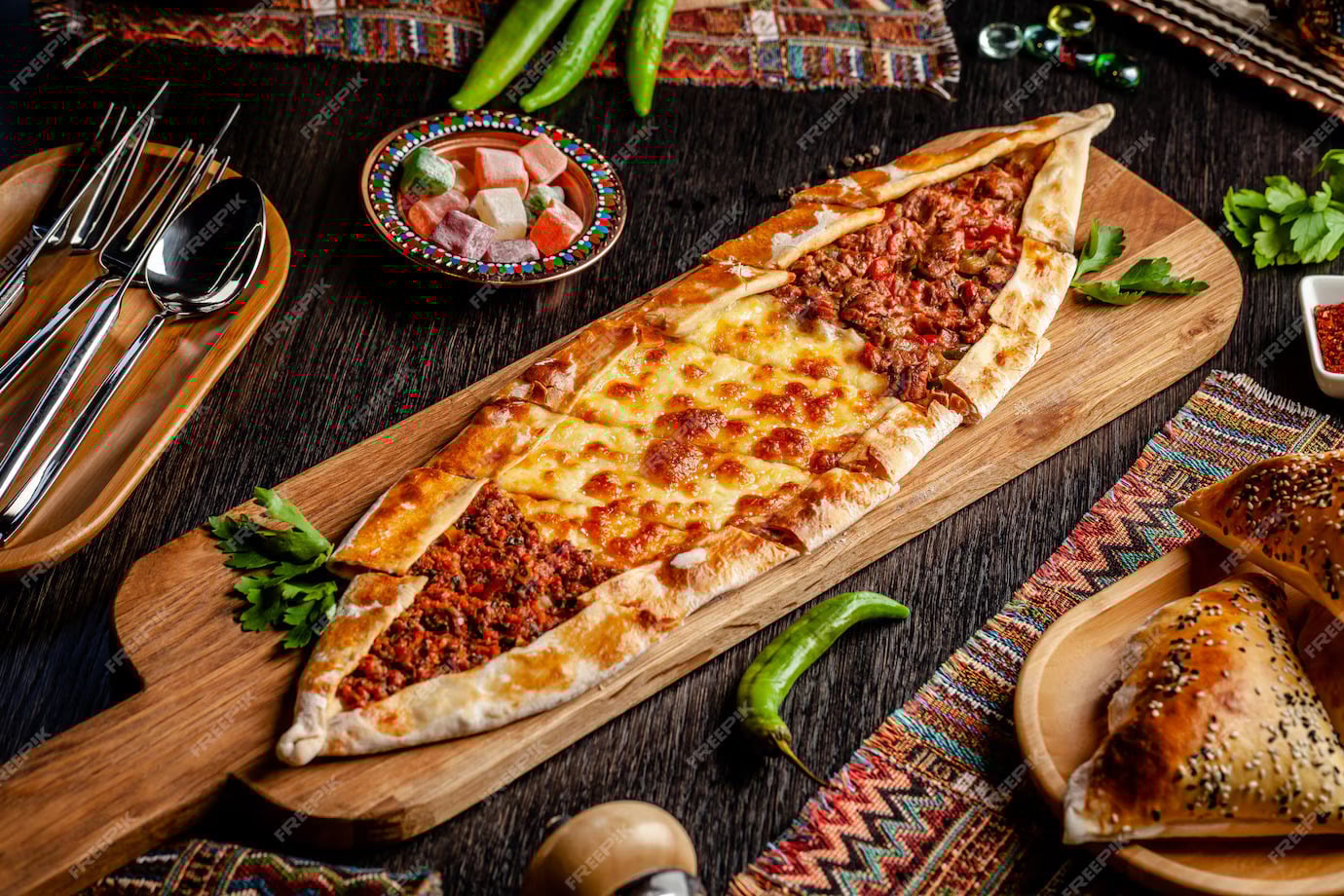
Quick Snapshot
- Category
- Pastry
- Price Range
- $-$$ (Budget to Mid-Range)
Pide is Turkey's magnificent boat-shaped flatbread — thick, chewy dough pinched into raised edges and loaded with toppings of melted cheese, spiced meat, or a runny egg, then baked in a roaring wood-fired oven until the crust blisters and the filling bubbles. It is hearty, shareable, and one of the most satisfying meals you will eat in Istanbul.
The Story Behind Pide
The heartland of pide is the Black Sea region, known in Turkish as Karadeniz, where the lush, rainy coastline and mountain villages have nurtured a rich baking tradition for centuries. Black Sea towns like Bafra and Trabzon each developed their own signature pide styles, and fierce regional pride surrounds whose version is best. The wood-fired stone ovens that line the main streets of these towns are as central to community life as the mosque or the tea garden.
Pide arrived in Istanbul with the great waves of Black Sea migration in the mid-twentieth century, and pideci restaurants quickly became fixtures of the city's food landscape. Many of Istanbul's most respected pide shops are still run by families from Samsun, Trabzon, or Bafra, and they guard their recipes and oven-building techniques closely. The connection between pide and Black Sea identity remains strong.
People often call pide "Turkish pizza," but the comparison undersells what makes it special. Pizza is flat and sauced; pide is boat-shaped and relies on the quality of its dough and the freshness of its toppings. The raised edges cradle the filling like a vessel, and the best pide has a crust that is simultaneously crispy on the bottom, chewy at the rim, and soft in the center — a textural feat that only a properly fired oven can achieve.
Why You Must Try It in Istanbul
Istanbul's pideci restaurants operate with an intensity that borders on theater. The dough is shaped by hand, loaded with toppings at speed, and launched into wood-fired ovens that glow at extreme temperatures. The turnaround is fast — a pide goes from raw dough to your table in just a few minutes — and the result is always best eaten immediately, while the cheese still stretches and the egg yolk is still runny.
The variety is remarkable. In a single pideci, you can order kasarli (melted kashar cheese), kiymali (seasoned ground meat with peppers and tomatoes), kusbasili (diced lamb or beef), yumurtali (topped with a cracked egg), and sucuklu (with sliced Turkish sausage). Many places also offer a mixed pide that combines several toppings. Sharing two or three varieties across a table is the best way to experience the full range.
Ingredients & Preparation
The dough is a yeasted mixture of flour, water, salt, and a touch of oil, kneaded until elastic and then left to rise. When an order comes in, a ball of dough is stretched by hand into an elongated oval, and the edges are rolled inward and pinched to form the distinctive boat shape. This raised rim serves both an aesthetic and structural purpose — it holds the toppings in place during baking.
Toppings are applied generously. Kasarli pide gets a thick layer of shredded kashar cheese. Kiymali pide receives a mixture of seasoned ground beef or lamb with finely diced onions, peppers, and tomatoes. Kusbasili pide features chunks of marinated meat. For yumurtali, a whole egg is cracked into the center of the filling during the last minute of baking, so the white sets but the yolk remains gloriously runny. The loaded pide is slid onto the floor of a wood-fired stone oven and bakes for three to five minutes at very high heat, emerging with a blistered, golden crust and bubbling toppings.
Best Places to Try Pide in Istanbul
| Spot | Neighborhood | Known For |
| Fatih Karadeniz Pidecisi | Fatih | The gold standard for Black Sea-style pide in Istanbul |
| Hocapasa Pidecisi | Sirkeci / Eminonu | Beloved kiymali pide near the historic Sirkeci station |
| Pideban | Various locations | Consistent quality across multiple branches, great for first-timers |
| Bafra Pide | Beyoglu | Bafra-style pide with a thinner, crispier crust |
Insider Tips: Eat Like a Local 🧳
- Order kasarli yumurtali. Cheese and egg pide is the crowd favorite for a reason — the combination of melted kashar and runny yolk is extraordinary. Ask for it if you only try one variety.
- Drink ayran with it. Cold, frothy ayran is the classic pairing. The salty yogurt drink cuts through the richness of the cheese and meat.
- Share multiple varieties. Pide is meant to be communal. Order two or three different types for the table and swap slices.
- Eat it fast. Pide is at its absolute best in the first five minutes after leaving the oven. The crust softens and the cheese solidifies as it cools — do not let it sit.
- Look for a wood-fired oven. The difference between pide from a wood-fired oven and a gas oven is significant. If you can see flames, you are in the right place.
- Add pul biber and lemon. A sprinkle of Aleppo pepper flakes and a squeeze of lemon over your pide adds brightness and heat that locals consider essential.
Frequently asked questions
What is pide?
Turkey's boat-shaped flatbread — thick, chewy, yeasted dough stretched into an elongated oval, with the edges rolled inward and pinched to form a raised rim that holds the toppings. The loaded pide is baked on the floor of a wood-fired stone oven at extreme heat for three to five minutes, emerging with a blistered, golden crust and bubbling toppings.
Is pide 'Turkish pizza'?
The comparison undersells what makes pide special. Pizza is flat and sauced; pide is boat-shaped and relies on the quality of its dough and the freshness of its toppings. The raised edges cradle the filling like a vessel, and the best pide has a crust that is simultaneously crispy on the bottom, chewy at the rim, and soft in the center — a textural feat only a properly fired oven can achieve.
What types of pide can I order?
Several standard varieties: kasarli (melted kashar cheese), kiymali (seasoned ground meat with peppers and tomatoes), kusbasili (chunks of marinated lamb or beef), yumurtali (topped with a cracked egg added in the last minute so the white sets but the yolk stays runny), and sucuklu (with sliced Turkish sausage). Most places also offer mixed pide combining several toppings.
Is pide vegetarian?
Kasarli (cheese) pide is vegetarian, and yumurtali (egg) is too. The meat varieties — kiymali, kusbasili, sucuklu — are not. Most pideci shops offer a kasarli yumurtali (cheese with an egg cracked on top) which is the crowd-favorite vegetarian order.
Where can I try the best pide in Istanbul?
Fatih Karadeniz Pidecisi is the gold standard for Black Sea-style pide. Hocapasa Pidecisi in Sirkeci/Eminönü is the beloved kiymali pide spot near the historic Sirkeci station. Pideban (multiple locations) offers consistent quality and is great for first-timers, and Bafra Pide in Beyoğlu serves Bafra-style pide with a thinner, crispier crust. Look for a wood-fired oven — if you can see flames, you're in the right place.
What should I drink with pide?
Cold, frothy ayran is the classic — the salty yogurt drink cuts through the richness of the cheese and meat. Eat the pide fast: it's at its absolute best in the first five minutes after leaving the oven, before the crust softens and the cheese solidifies. A sprinkle of pul biber and a squeeze of lemon over the top is what locals consider essential.