
Cağ Kebab: The Essential Guide for Istanbul Visitors
Quick Snapshot
- Category
- Main Dish
- Price Range
- $$ (Mid-Range)
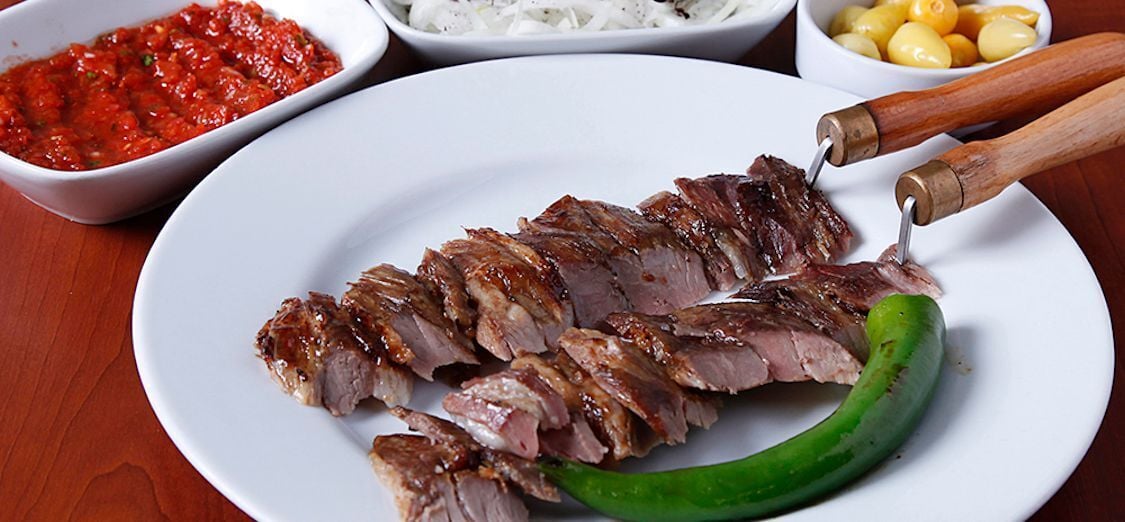
Cağ Kebab (pronounced "Jah Kebab") is a centuries-old specialty from the Erzurum region in eastern Turkey, widely regarded as the ancestor of the modern döner kebab. Marinated lamb is threaded onto a horizontal spit, roasted over a wood fire, and carved directly onto small serving skewers — delivering a smoky, intensely flavorful bite that stands apart from anything you will find on a vertical rotisserie.
The Story Behind Cağ Kebab
The origins of cağ kebab stretch back to the nomadic Seljuk Turks of Anatolia. In the mountainous terrain around Erzurum, herders would thread large cuts of lamb onto a horizontal spit and roast them over open wood fires — a practical method that allowed slow, even cooking in harsh conditions. Over the centuries the technique was refined, but the fundamental approach never changed: the spit stays horizontal, the fire burns beside the meat rather than beneath it, and the cook shaves off slices as the outer layer turns golden.
What makes this history remarkable is the timeline. Culinary historians consider the horizontal spit to be the original rotisserie method, predating the vertical döner spit by several hundred years. In other words, every döner you have ever eaten descends from this dish. When the vertical spit gained popularity across the Ottoman Empire, cağ kebab remained a regional treasure in Erzurum, kept alive by families who refused to abandon the old way.
Today, Erzurum-born cooks have carried the tradition to Istanbul and beyond. The dish has gained a devoted following among Istanbulites who appreciate its rustic character and the unmistakable aroma of wood-fire smoke — something no gas-fired vertical rotisserie can replicate.
Why You Must Try It in Istanbul
Istanbul is one of the few cities outside eastern Turkey where you can find properly made cağ kebab. The Erzurum diaspora in neighborhoods like Fatih has established restaurants that source quality lamb, marinate it the traditional way, and cook it over real wood fires. Eating cağ kebab here is not just a meal — it is a direct connection to the oldest kebab tradition in Turkish culinary history, served in a city that bridges continents.
Ingredients & Preparation
The preparation is deceptively simple, but timing and technique are everything. The meat — typically lamb shoulder or leg — is sliced into broad, thin sheets and marinated overnight in a mixture of grated onion, strained yogurt, salt, and black pepper. Some cooks add a splash of olive oil. The marinade tenderizes the meat while infusing it with a tangy depth that balances the richness of the lamb.
The marinated sheets are layered and pressed onto a long horizontal spit, then set beside a wood or charcoal fire. As the outer layer crisps and caramelizes, the cook shaves off thin strips with a long knife and threads them onto small individual skewers. These skewers get a final flash of heat over the fire before heading to the table. The result is meat that is smoky on the outside, juicy and tender within, with a subtle yogurt tang running through every bite.
Best Places to Try Cağ Kebab in Istanbul
| Spot | Neighborhood | Known For |
| Şehzade Erzurum Cağ Kebabı | Fatih | Authentic Erzurum-style preparation with a devoted local following |
| Erzurum Cağ Kebabı | Fatih | Generous portions of high-quality lamb cooked over wood fire |
| Cağ Kebapçı | Beyoğlu | Cozy spot with tender, well-seasoned cağ kebab and traditional sides |
Insider Tips: Eat Like a Local 🧳
- Wrap it in lavash. Pull a piece of thin lavash bread, lay a skewer of meat across it, slide the meat off, and roll it up with raw onion and flat-leaf parsley. This is the traditional way to eat cağ kebab.
- Order ayran immediately. The cold, salted yogurt drink cuts through the richness of the lamb and is the undisputed pairing for this dish.
- Go at peak hours. Cağ kebab is best when turnover is high and the meat is constantly being freshly carved. Lunchtime is ideal.
- Ask for extra onion. The raw onion served alongside is not a garnish — it is an essential counterpoint to the smoky, fatty meat. Locals eat plenty of it.
- Skip the knife and fork. This is a hands-on meal. Use the bread as your utensil and enjoy the experience the way it has been done for centuries.
Frequently asked questions
How is cağ kebab pronounced, and what is it?
Cağ Kebab is pronounced "Jah Kebab." It is a centuries-old Erzurum specialty in which marinated lamb is threaded onto a horizontal spit, roasted over a wood fire, and carved directly onto small individual skewers. Each skewer gets a final flash of heat over the fire before reaching the table.
What is the difference between cağ kebab and döner?
Cağ kebab is the ancestor. Culinary historians consider the horizontal spit the original rotisserie method, predating the vertical döner spit by several hundred years. The fire burns beside the meat rather than beneath it, and unlike a gas-fired vertical rotisserie, cağ kebab carries the unmistakable aroma of wood-fire smoke.
What is cağ kebab made of?
Lamb — typically shoulder or leg — sliced into broad, thin sheets and marinated overnight in grated onion, strained yogurt, salt, and black pepper. Some cooks add a splash of olive oil. The marinade tenderizes the meat and infuses it with a tangy depth that runs through every bite of the finished kebab.
Where can I try the best cağ kebab in Istanbul?
Şehzade Erzurum Cağ Kebabı in Fatih is the standard-bearer for authentic Erzurum-style preparation with a devoted local following. Erzurum Cağ Kebabı (also in Fatih) serves generous portions of high-quality lamb cooked over wood fire, and Cağ Kebapçı in Beyoğlu is a cozy spot with tender, well-seasoned meat.
What should I drink with cağ kebab?
Cold ayran is the undisputed pairing — the salted yogurt drink cuts through the richness of the wood-fire-cooked lamb. Order it as soon as you sit down rather than waiting for the meat to arrive.
When is cağ kebab at its best?
Lunchtime, when turnover is high and the meat is constantly being freshly carved. The cook shaves slices off the spit only as orders come in, so a busy restaurant means hot, just-carved meat with a perfectly crisped outer layer rather than slices that have been sitting.