
İskender Kebab: The Essential Guide for Istanbul Visitors
Quick Snapshot
- Category
- Main Dish
- Price Range
- $$ (Mid-Range)
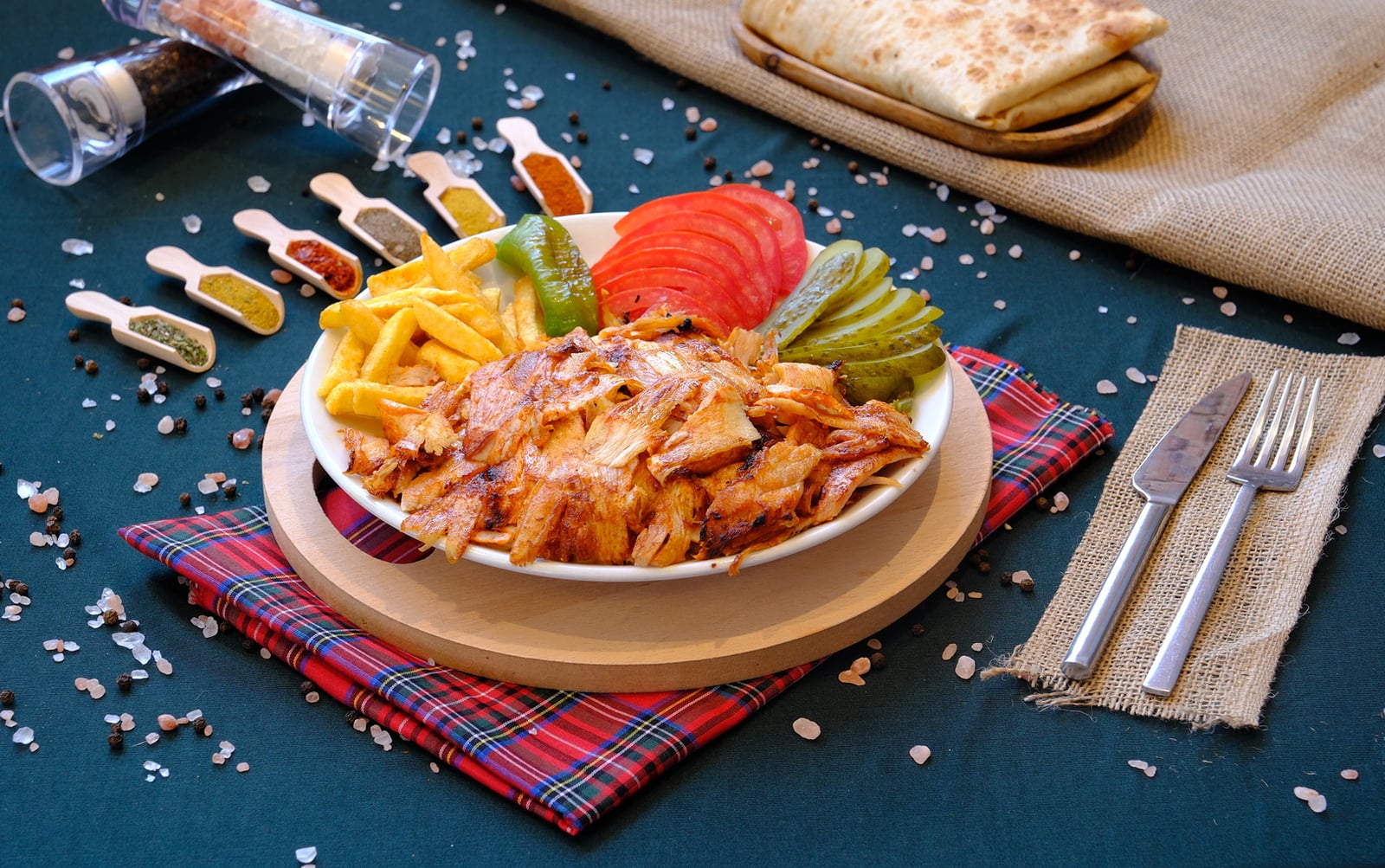
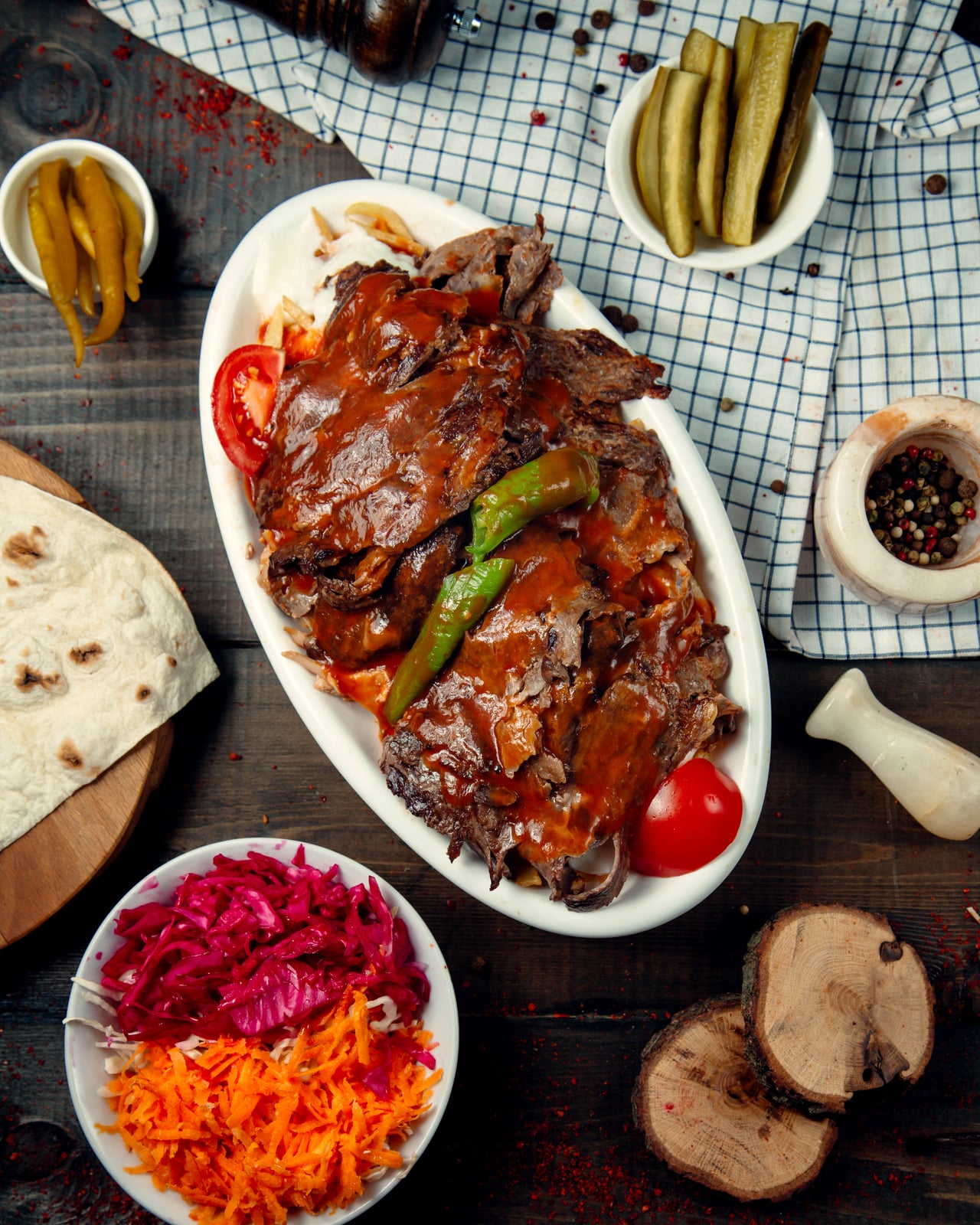
İskender Kebab is one of the most celebrated dishes in all of Turkish cuisine — a dramatic plate of thinly sliced döner meat layered over cubes of pide bread, drenched in a bright tomato sauce, and finished with a pour of sizzling butter brought to your table in a small pan. A generous spoonful of thick yogurt sits alongside, ready to temper the richness of every bite.
The Story Behind İskender Kebab
The dish was created in 1867 by İskender Efendi, a cook in the northwestern city of Bursa. According to the story passed down through his family, İskender Efendi was the first to slice döner meat thinly and serve it over bread with sauce rather than simply on a plate. The combination was an immediate sensation. His descendants still operate the original restaurant in Bursa, and the family trademarked the name — making "İskender" both a person's name and a dish that has transcended its origins.
Bursa in the late Ottoman period was a prosperous silk-trading city with a sophisticated food culture. İskender Efendi's innovation fit perfectly into that world: it took the familiar döner kebab and elevated it into something theatrical. The sizzling butter poured tableside was not just a flavor choice but a performance, signaling to everyone in the restaurant that a plate of İskender had arrived. That theatrical element remains central to the experience today.
From Bursa, the dish spread across the Ottoman Empire and eventually became one of the defining foods of Turkish cuisine. In Istanbul, İskender kebab evolved from a Bursa import into a local institution, served in dedicated kebab houses across the city. While purists may insist that the true İskender can only be eaten in Bursa, Istanbul's best versions are remarkably faithful to the original — and far more accessible to visitors.
Why You Must Try It in Istanbul
İskender kebab is the kind of dish that explains why Turkish cuisine is considered one of the great food traditions of the world. It is rich without being heavy, layered in both flavor and texture, and designed to be shared and savored. In Istanbul, you can find it served in historic kebab houses where the döner is carved from a proper charcoal-fired spit and the butter arrives genuinely sizzling. The city's competition among İskender restaurants means quality stays high and prices remain reasonable for what you get.
Ingredients & Preparation
The foundation is thinly sliced döner meat — traditionally lamb, though many Istanbul restaurants use a lamb-and-beef blend. The meat is stacked on a vertical spit, seasoned simply with salt, pepper, and sometimes a touch of cumin, then roasted slowly in front of a charcoal or gas fire. As the outer layer crisps, the cook shaves off paper-thin slices.
The base of the plate is built from day-old pide bread cut into small cubes or strips — the slight staleness is intentional, as it allows the bread to absorb the tomato sauce without turning to mush. The sliced döner is arranged over the bread, then a ladleful of warm, lightly spiced tomato sauce is poured across the meat. A generous spoonful of thick, creamy yogurt is placed on one side of the plate. Finally, the waiter arrives with a small copper pan of melted butter, still bubbling from the stove, and pours it over the entire dish in front of you. The sizzle and the aroma are part of the meal.
Best Places to Try İskender Kebab in Istanbul
| Spot | Neighborhood | Known For |
| Kebapçı İskender | Eminönü | Branch of the original Bursa family restaurant, serving the classic recipe since generations |
| Uludağ İskender | Various locations | Popular chain with consistent quality and generous butter pours |
| Bursa Kebapçısı | Beyoğlu | Faithful Bursa-style preparation in the heart of Istanbul's busiest district |
Insider Tips: Eat Like a Local 🧳
- Mix the yogurt in. Do not treat the yogurt as a separate side dish. Swirl it into the tomato sauce and butter on the plate — the combination of tangy yogurt, rich butter, and acidic tomato is the entire point.
- Eat the bread at the bottom. The cubes of pide soaking in sauce at the base of the plate are the best part. Do not leave them behind.
- Order ayran, not cola. The cold, salty yogurt drink is the traditional and correct pairing. It balances the butter richness in a way nothing else can.
- Watch for the butter pour. When the waiter approaches with the small copper pan, pay attention — the sizzling butter ceremony is part of the experience and happens fast.
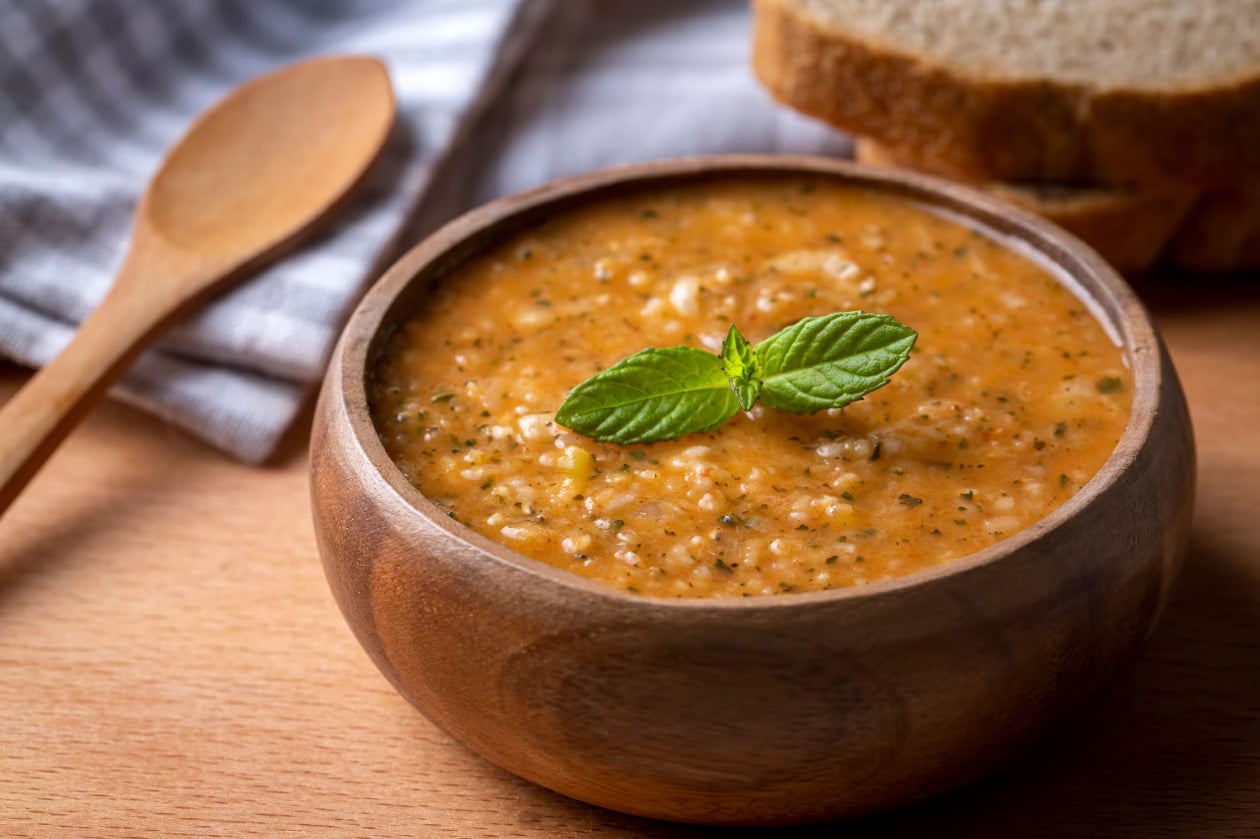
- Do not order a starter. İskender is a rich, filling dish. Most locals order it as their only course, perhaps with a bowl of mercimek (lentil soup) beforehand at most.
- Lunchtime is prime time. The döner spit is freshest and busiest during the midday rush. Avoid very late dinners when the meat may have been on the spit too long.
Frequently asked questions
What is İskender kebab?
İskender kebab is a plate of thinly sliced döner meat layered over cubes of day-old pide bread, drenched in a warm, lightly spiced tomato sauce, and finished tableside with a pour of sizzling butter from a small copper pan. A generous spoonful of thick yogurt sits alongside to temper the richness of every bite.
Who invented İskender kebab?
İskender Efendi, a cook in Bursa, in 1867. He was the first to slice döner meat thinly and serve it over bread with sauce rather than simply on a plate. His descendants still operate the original restaurant in Bursa, and the family trademarked the name — making "İskender" both a person's name and a dish.
What's the difference between İskender and regular döner?
Both start from the same vertical-spit roasted meat, but döner is served straight from the spit in bread or on a plate. İskender is the elaborated version: the same döner is laid over cubes of pide bread, drenched in tomato sauce, and finished with sizzling butter and a side of yogurt. The tableside butter pour is part of the meal — a theatrical signature you don't get with plain döner.
Why is the bread used day-old?
The slight staleness of the day-old pide is intentional — it allows the bread to absorb the warm tomato sauce without turning to mush. The cubes soaking in sauce at the base of the plate are arguably the best part; don't leave them behind.
Where can I try the best İskender kebab in Istanbul?
Kebapçı İskender in Eminönü is a branch of the original Bursa family restaurant, serving the classic recipe across generations. Uludağ İskender is the popular chain with consistent quality and generous butter pours, and Bursa Kebapçısı in Beyoğlu is the faithful Bursa-style preparation in the city's busiest district.
What should I drink with İskender kebab?
Cold ayran, not cola. The salty yogurt drink is the traditional and correct pairing — it balances the butter richness in a way nothing else can. Don't order a starter either: İskender is rich and filling enough that locals usually eat it as their only course, perhaps with a bowl of mercimek (lentil soup) beforehand at most.