
Baklava: The Essential Guide for Istanbul Visitors
Quick Snapshot
- Category
- Dessert
- Best Paired With
- Turkish Coffee, Tea, Künefe, Lokum
- Price Range
- $$ (Mid-Range)
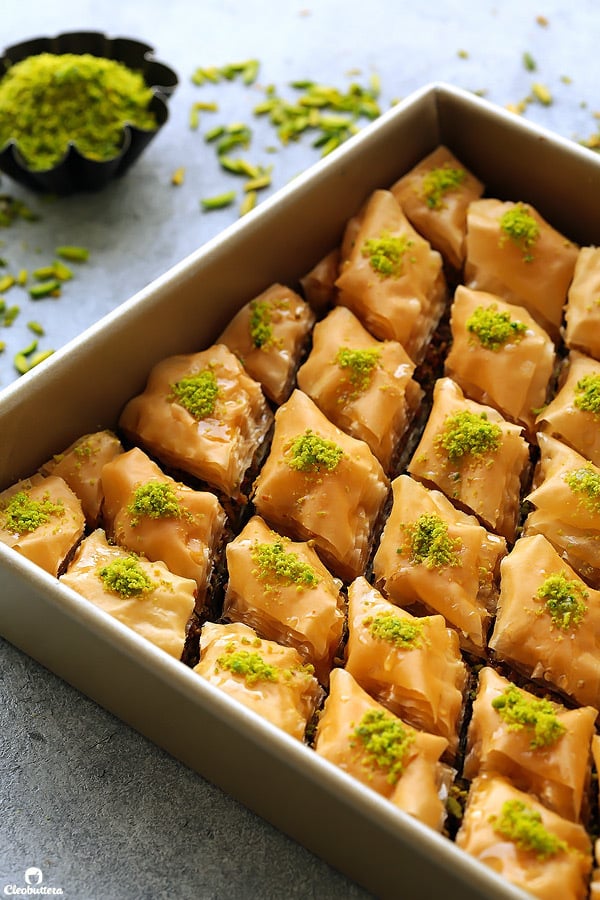
Baklava is the crown jewel of Turkish desserts — dozens of impossibly thin phyllo layers, brushed with clarified butter, filled with ground pistachios or walnuts, and drenched in a light sugar syrup. Every baklavacı in Istanbul will tell you theirs is the best, and the only way to settle the debate is to eat your way through as many as possible.
The Story Behind Baklava
Baklava's roots trace directly to the Ottoman palace kitchens at Topkapı, where imperial cooks elevated what was once a simple layered pastry into a work of culinary art. The layering technique was perfected over centuries — the best yufkacı (phyllo rollers) could stretch the dough so thin that you could read a newspaper through it. This skill was a point of professional pride, and master bakers guarded their methods jealously.
While Istanbul shaped baklava into a palace dessert, the southeastern city of Gaziantep became the undisputed capital of pistachio baklava — so much so that Gaziantep baklava holds a geographical indication from the European Union. The Antep pistachio, smaller and more intensely green than other varieties, gives the region's baklava its distinctive flavor and vivid color.
Baklava also carried deep cultural significance. During Ramadan, the sultan would send enormous trays of baklava to the Janissary barracks in a ceremony known as the Baklava Alayı (Baklava Procession). This tradition reinforced the bond between the palace and its military elite. Today, baklava remains the default celebratory dessert — no holiday, wedding, or family gathering is complete without at least one tray. The main varieties you will encounter are fıstıklı (pistachio), cevizli (walnut), şöbiyet (cream-filled with a richer pastry), and havuç dilimi (carrot-slice shape with a delicate, lighter style).
Why You Must Try It in Istanbul
Istanbul is where baklava culture reaches its peak. The city's best shops receive daily shipments of Antep pistachios and use clarified butter from specific regions — details that genuinely affect the final product. Eating a fresh piece of fıstıklı baklava at a dedicated baklavacı, where the trays come out of the oven every few hours, is a fundamentally different experience from eating baklava anywhere else in the world.
The contrast matters: the phyllo should shatter on first bite, the nut filling should be fragrant and slightly coarse, and the syrup should be present but never heavy. When all three elements are in balance, you understand why Turks take baklava so seriously.
The Perfect Bite
A perfect piece of baklava is all about contrasts. The top layers of phyllo should be crisp and golden, shattering cleanly when you press your fork down. Beneath that crunch, the middle layers should be tender and saturated with just enough syrup to be sweet without becoming soggy. The nut filling — whether pistachio or walnut — should taste fresh and aromatic, never stale or overly powdered. Look for a glossy sheen on top and a faint scent of clarified butter. If the baklava feels heavy or the syrup pools at the bottom, the proportions are off. The best pieces feel lighter than they look and leave a clean, buttery finish.
Best Places to Try Baklava in Istanbul
| Spot | Neighborhood | Known For |
| Karaköy Güllüoğlu | Karaköy | THE Istanbul baklava institution — pistachio baklava that sets the standard |
| Hafız Mustafa | Sultanahmet / Beyoğlu | Historic confectioner with a wide range of baklava styles and Ottoman desserts |
| Köşkeroğlu | Various locations | Consistent, traditional baklava with generous pistachio filling |
| Nadir Güllü | Beyoğlu | Boutique baklava shop with premium Antep pistachios and refined presentation |
Insider Tips: Eat Like a Local 🧳
- Order fıstıklı first. Pistachio baklava is the benchmark — try it before exploring walnut or cream-filled varieties. If the fıstıklı is good, everything else will be too.
- Pair it with unsweetened Turkish coffee. The bitterness of Turkish coffee cuts through the sweetness perfectly. Tea works beautifully too.
- Eat it fresh, not packaged. Baklava from a baklavacı's tray, made that day, is dramatically better than vacuum-sealed boxes. Buy packaged only for gifts.
- Ask for kaymak on the side. A dollop of clotted cream (kaymak) alongside your baklava is a decadent local move.
- Try şöbiyet for something different. This cream-filled variety has a richer, more complex flavor profile than classic layered baklava — it is worth ordering at least one piece.
- Small bites, not big ones. Baklava is rich. Locals eat it in small, deliberate bites, savoring the layers rather than rushing through.
Frequently asked questions
What is baklava made of?
Baklava is dozens of paper-thin phyllo (yufka) layers brushed with clarified butter, filled with ground pistachios or walnuts, and finished with a light sugar syrup. The best shops use clarified butter from specific regions and Antep pistachios from Gaziantep — small, intensely green nuts that give the pastry its distinctive flavor and color.
What are the main types of baklava?
Four varieties dominate Istanbul shops: fıstıklı (pistachio, the benchmark), cevizli (walnut), şöbiyet (cream-filled with a richer pastry), and havuç dilimi (a carrot-slice shape with a delicate, lighter style). Try fıstıklı first — if a shop's pistachio version is good, the rest will be too.
Where can I try the best baklava in Istanbul?
Karaköy Güllüoğlu in Karaköy is THE Istanbul institution and sets the standard for pistachio baklava. Hafız Mustafa is a historic confectioner with locations in Sultanahmet and Beyoğlu carrying a wide range of styles. Köşkeroğlu offers consistent, generously filled traditional baklava, and Nadir Güllü in Beyoğlu is the premium-Antep-pistachio boutique pick.
What's the difference between Istanbul and Gaziantep baklava?
Istanbul shaped baklava into a palace dessert in the Ottoman Topkapı kitchens, while the southeastern city of Gaziantep became the undisputed capital of pistachio baklava — Gaziantep baklava holds a geographical indication from the European Union. The best Istanbul shops receive daily shipments of those Antep pistachios, so you can taste the regional gold standard without leaving the city.
What should I drink with baklava?
Unsweetened Turkish coffee is the classic pairing — its bitterness cuts through the sweetness perfectly. Turkish tea works beautifully too, and a dollop of clotted cream (kaymak) on the side is a decadent local addition.
How do I tell good baklava from bad?
The top phyllo layers should be crisp and golden, shattering cleanly under your fork. The middle should be tender and just-saturated with syrup, never soggy. Look for a glossy sheen, a faint scent of clarified butter, and a clean, light finish. If the piece feels heavy or syrup pools at the bottom, the proportions are off — and packaged, vacuum-sealed baklava is dramatically inferior to a fresh tray from a baklavacı.