
Turkish Coffee: The Essential Guide for Istanbul Visitors
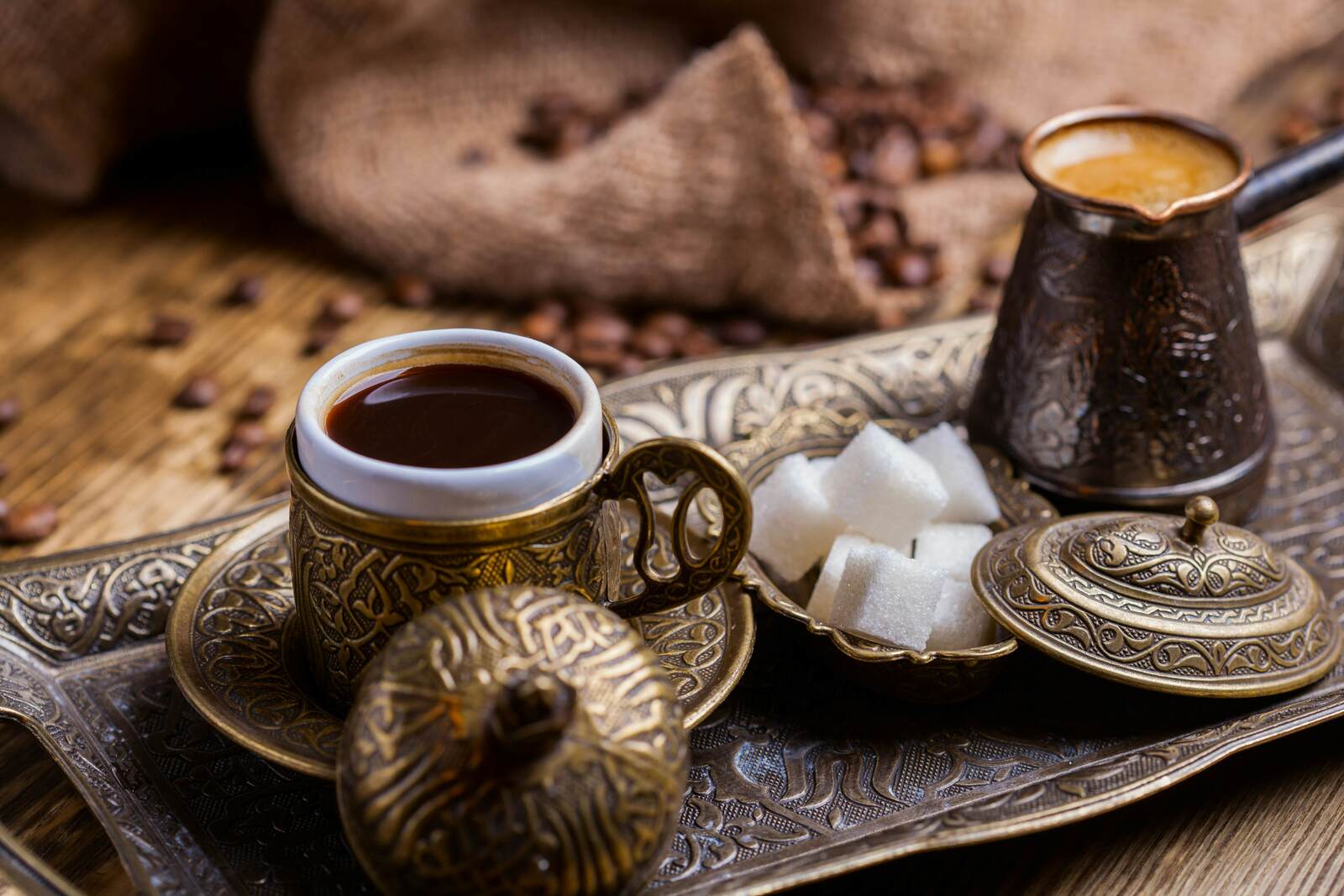
Turkish coffee — Türk kahvesi — is more than a caffeine delivery system. It is a centuries-old ritual of preparation, presentation, and patience. Brewed unfiltered in a small copper pot called a cezve, served in a delicate cup with a glass of water and a piece of Turkish delight, it is one of the most distinctive coffee experiences in the world.
The Story Behind Turkish Coffee
Coffee arrived in Istanbul in the mid-16th century, brought by traders from Yemen. The Ottoman court quickly embraced it, and by the 1550s, Istanbul's first coffeehouses — kahvehane — had opened near the Grand Bazaar. These establishments became centers of intellectual life: poets, scholars, and merchants gathered to debate, play backgammon, and drink the thick, aromatic brew.
The Ottoman method of preparation — grinding beans to an ultra-fine powder, combining with water and sugar in a cezve, and heating slowly until a thick froth rises — has remained virtually unchanged for nearly 500 years. So significant is this tradition that UNESCO inscribed Turkish coffee culture and tradition on its Representative List of the Intangible Cultural Heritage of Humanity in 2013.
Coffee also plays a symbolic role in Turkish social customs. During marriage proposals, the bride-to-be traditionally serves coffee to the groom's family. The saying "Bir fincan kahvenin kırk yıl hatırı vardır" — "a cup of coffee has forty years of memory" — reflects the deep connection between coffee and human bonds in Turkish culture.
Why You Must Try It in Istanbul
Drinking Turkish coffee in Istanbul connects you to the same tradition that has played out in these streets for half a millennium. The experience matters as much as the taste: the waiter brings a small copper tray bearing a tiny cup, a glass of cold water (to cleanse your palate before the first sip), and often a piece of lokum or chocolate. You sip slowly, letting the grounds settle, and when the cup is empty, some turn it upside down on the saucer — a nod to the fortune-telling tradition of reading the coffee grounds (fal).
The best places to drink Turkish coffee in Istanbul are the ones where time slows down. A courtyard café in the old city, a bench overlooking the Bosphorus — the setting elevates the ritual.
Ingredients & Preparation
- Turkish coffee ☕ — finely ground to a powder, much finer than espresso
- Water 💧 — cold, measured by the cup
- Sugar 🍬 — added before brewing (sade = no sugar, orta = medium, şekerli = sweet)
- Cardamom 🌿 — optional, sometimes added for aroma
Add coffee, water, and sugar to a cezve. Heat slowly over low flame, stirring gently until dissolved. Watch for the froth — as it rises, remove from heat just before it boils. Pour carefully into a cup, froth first. Let the grounds settle for a minute before drinking. Never stir after pouring.
Best Places to Try Turkish Coffee in Istanbul
| Spot | Neighborhood | Known For |
| Mandabatmaz | Beyoğlu | Legendary thick foam, unchanged recipe since 1967 |
| Fazıl Bey's Turkish Coffee | Kadıköy | Premium beans and traditional preparation |
| Pierre Loti Café | Eyüp | Historic hilltop café with Golden Horn views |
| Kurukahveci Mehmet Efendi | Eminönü | Istanbul's most famous coffee roaster since 1871 |
Insider Tips: Eat Like a Local 🧳
- Specify your sugar level when ordering. Sugar is added during brewing, not after. Tell the waiter: sade (no sugar), az şekerli (a little), orta (medium), or şekerli (sweet).
- Drink the water first. The glass of water is meant to cleanse your palate before the coffee, not to dilute or chase it.
- Do not drink the grounds. Stop sipping when you reach the thick sediment at the bottom. This is normal — Turkish coffee is unfiltered by design.
- Pair it with something sweet. A piece of lokum or baklava between sips is the traditional way to enjoy it.
- Take your time. Turkish coffee is not espresso. It is meant to be sipped slowly over conversation. One cup can easily last 20 minutes.